

- Human Behavior Rarely Begins With One Decision
- Root Cause #1: Emotional Neglect
- Root Cause #2: Unresolved Childhood Trauma
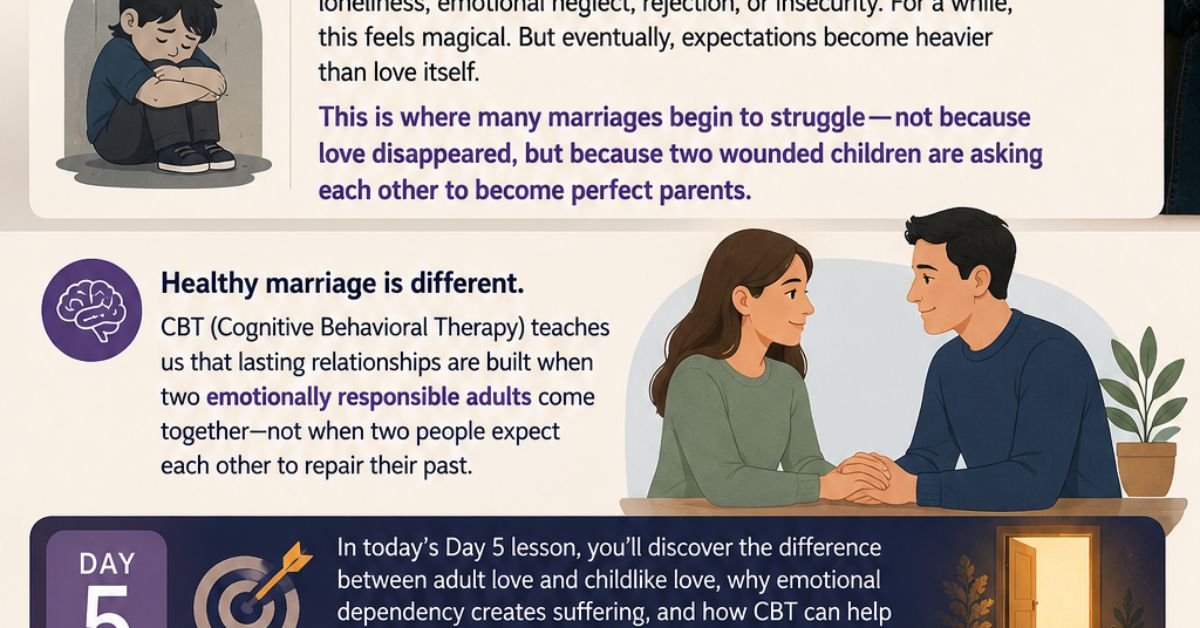
- Root Cause #3: Anxious Attachment
- Root Cause #4: Emotional Deprivation Schema
- Root Cause #5: Midlife Emotional Crisis
- Root Cause #6: Seeking Identity Beyond Motherhood
- Root Cause #7: Cognitive Distortions
- What Society Often Misses
- Frequently Asked Questions
- Conclusion
- Final Thoughts
Introduction
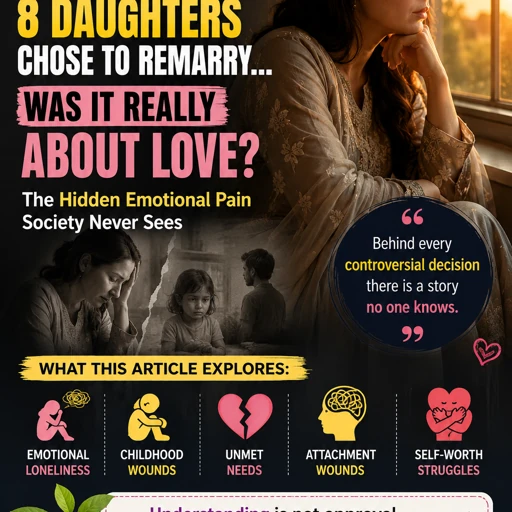
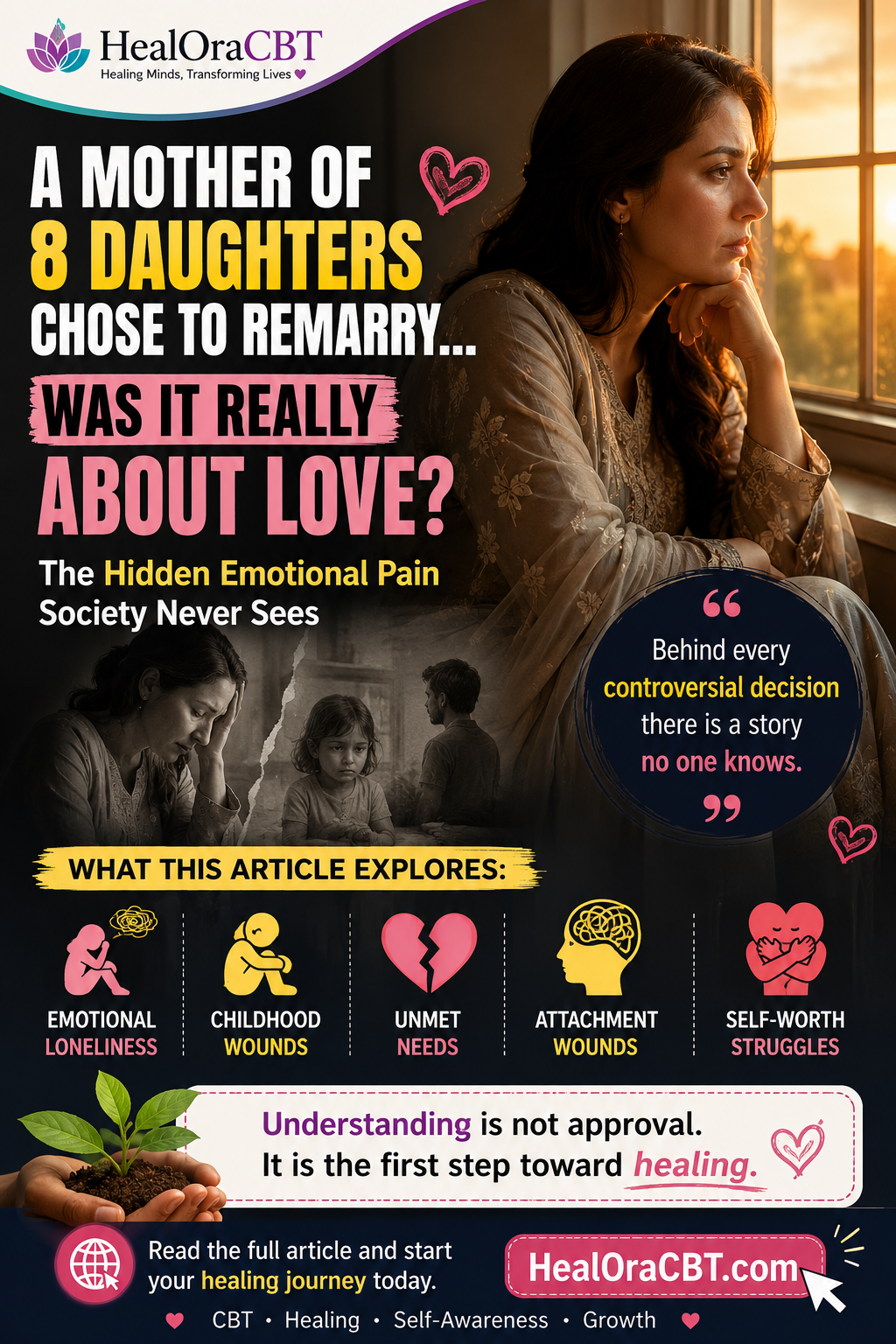
Recently, news stories about married women or mothers choosing a new relationship often create strong reactions in society.
Thank you for reading this post; don't forget to subscribe!
People immediately ask:When a Mother of Eight Chooses a New Marriage
- How could she do this?
- What about the children?
- What was she thinking?
- Why would a mother risk everything?
Most discussions stop at blame.
Very few people ask a deeper question:
What emotional, psychological, and social factors may have led to such a decision?
This article is not about defending harmful choices.
It is about understanding the hidden emotional struggles that sometimes influence human behavior.
Through the lens of Cognitive Behavioral Therapy (CBT), we can explore the possible root causes behind such decisions and learn healthier pathways for emotional healing.
At HealOraCBT, our goal is not to judge people.
Our goal is to understand the emotional pain that may be driving behavior and help individuals make healthier choices before relationships, families, and lives are damaged.When a Mother of Eight Chooses a New Marriage.
Human Behavior Rarely Begins With One Decision
People often focus on the final action.
But emotional decisions usually begin years earlier.
The court marriage may be the visible event.
The emotional struggle may have been developing for decades.
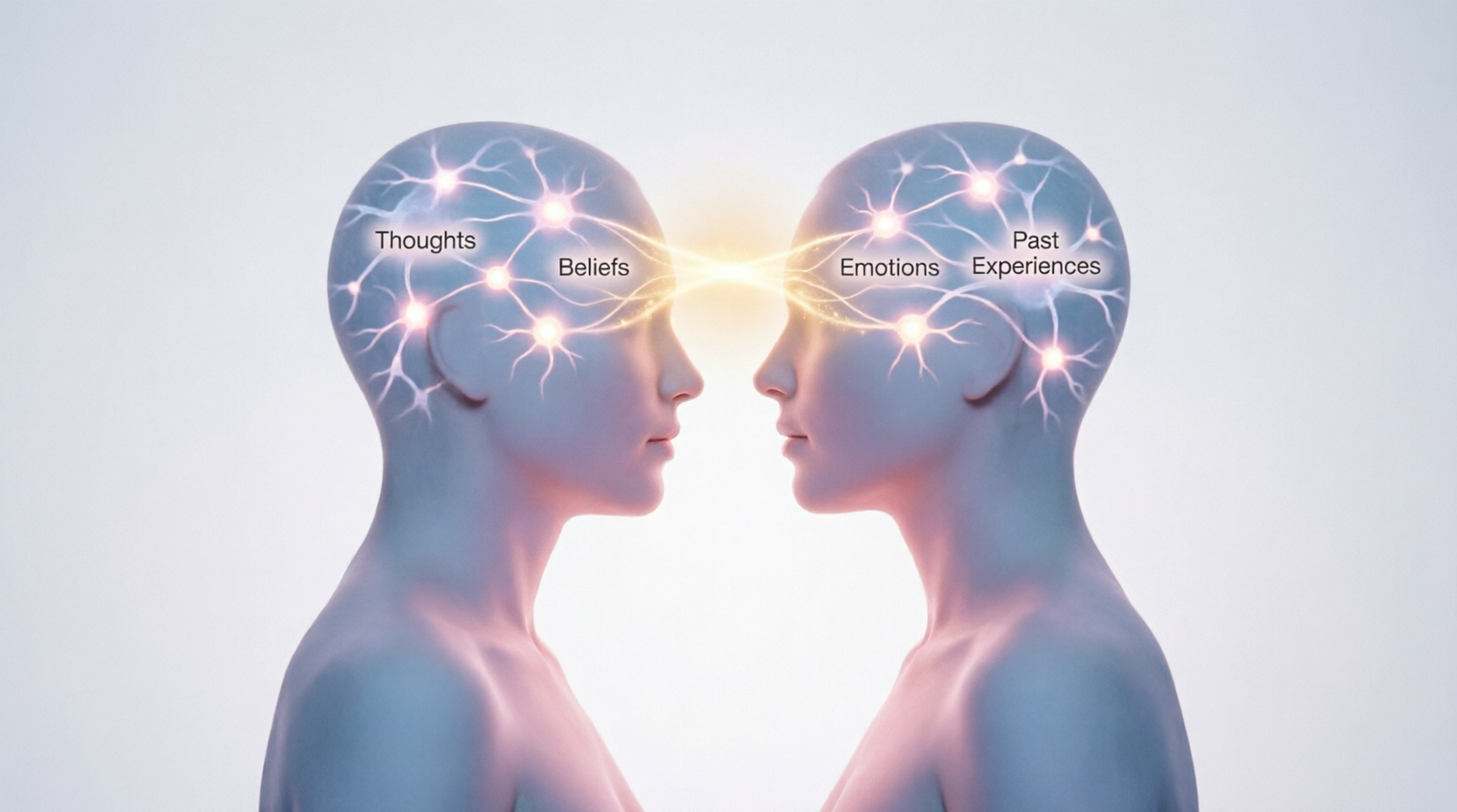
CBT teaches us that behavior is often influenced by:
- Thoughts
- Beliefs
- Emotions
- Past experiences
- Unmet emotional needs
To understand the behavior, we must first understand the emotional journey.
Root Cause #1: Emotional Neglect
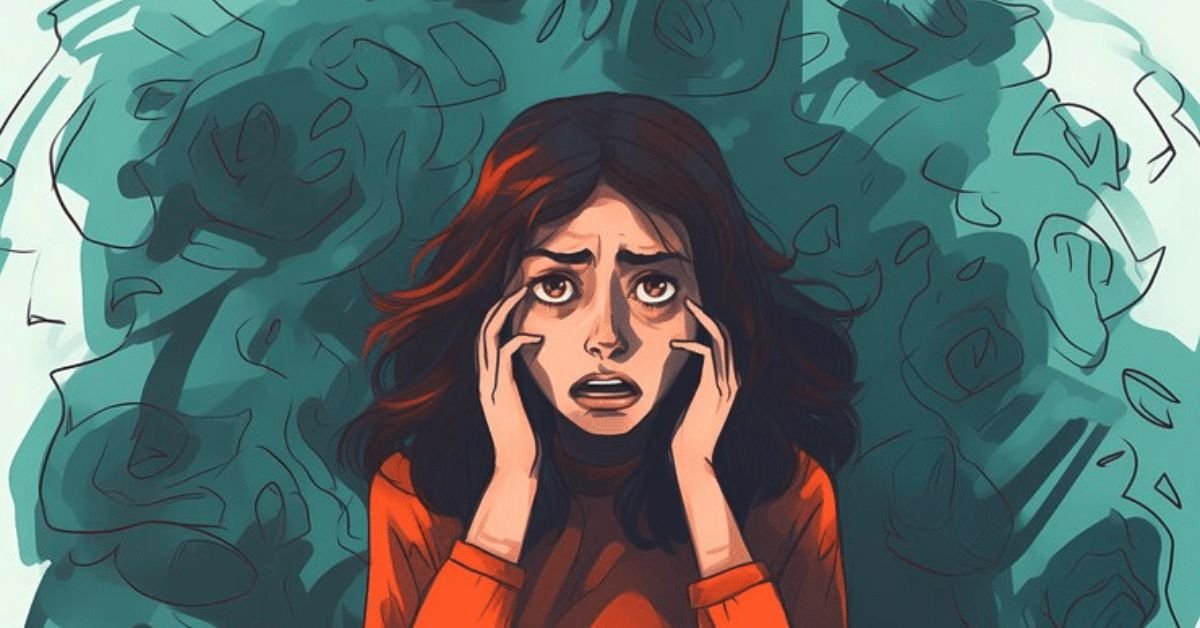
One of the most overlooked forms of pain is emotional neglect.
A person may have:
- Food
- Shelter
- Children
- Financial support
Yet still feel emotionally invisible.
Many women spend decades caring for everyone except themselves.
They become:
- Mothers
- Caregivers
- Problem solvers
But nobody asks:
“How are you feeling?”
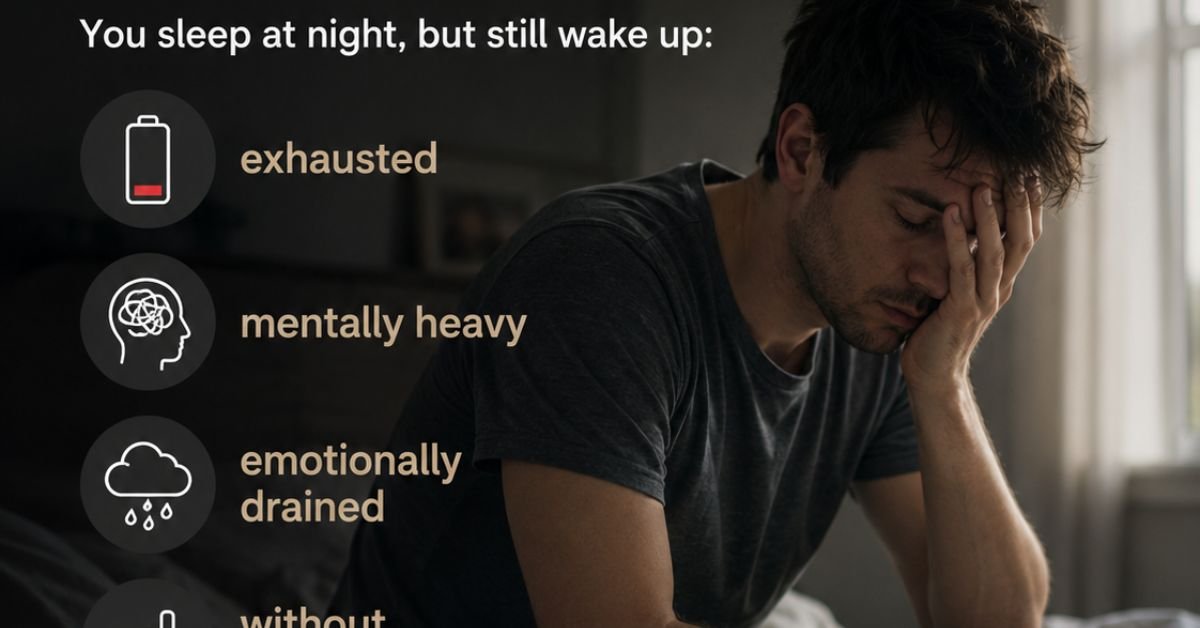
Over time emotional loneliness can become overwhelming.
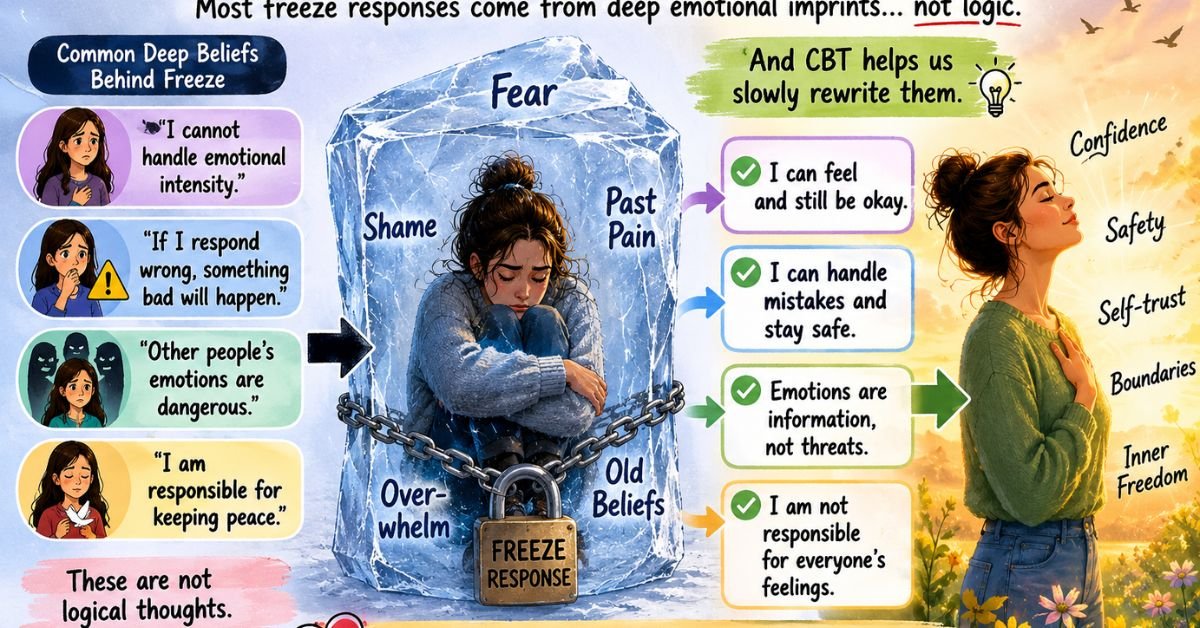
CBT Perspective
The mind begins creating beliefs such as:
- Nobody understands me.
- I don’t matter.
- My needs are unimportant.
- I am emotionally alone.
These beliefs increase vulnerability to seeking emotional connection elsewhere.
Root Cause #2: Unresolved Childhood Trauma
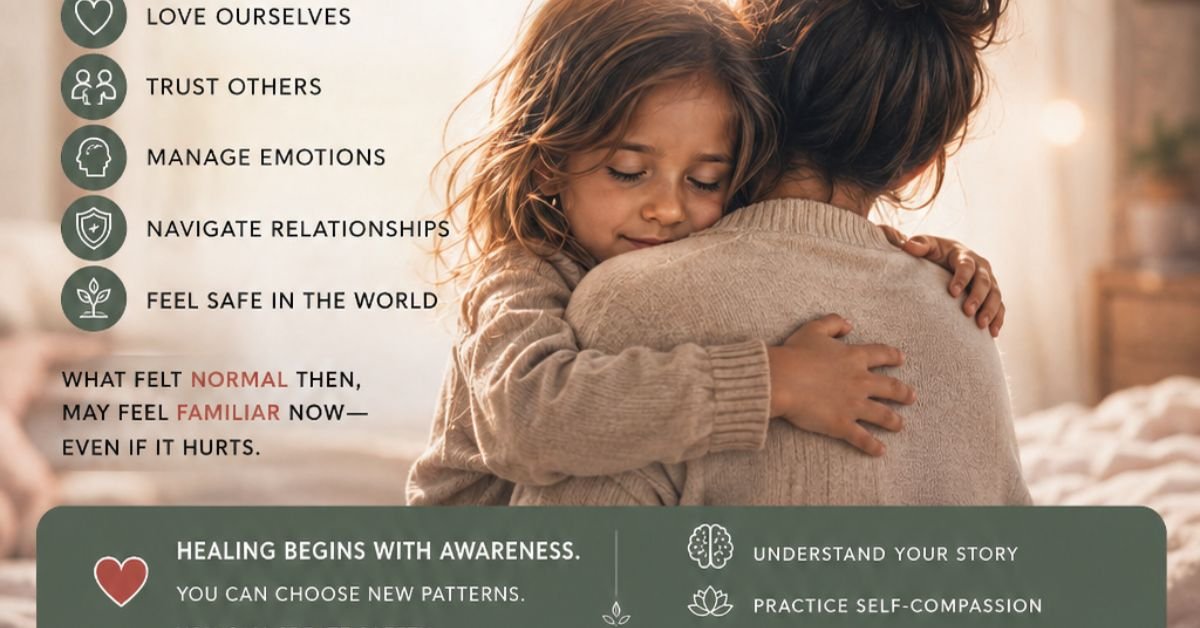
Many adults are still reacting to wounds created during childhood.
Perhaps they experienced:
- Emotional neglect
- Rejection
- Criticism
- Abandonment
- Lack of affection
These experiences often create a lifelong hunger for emotional validation.
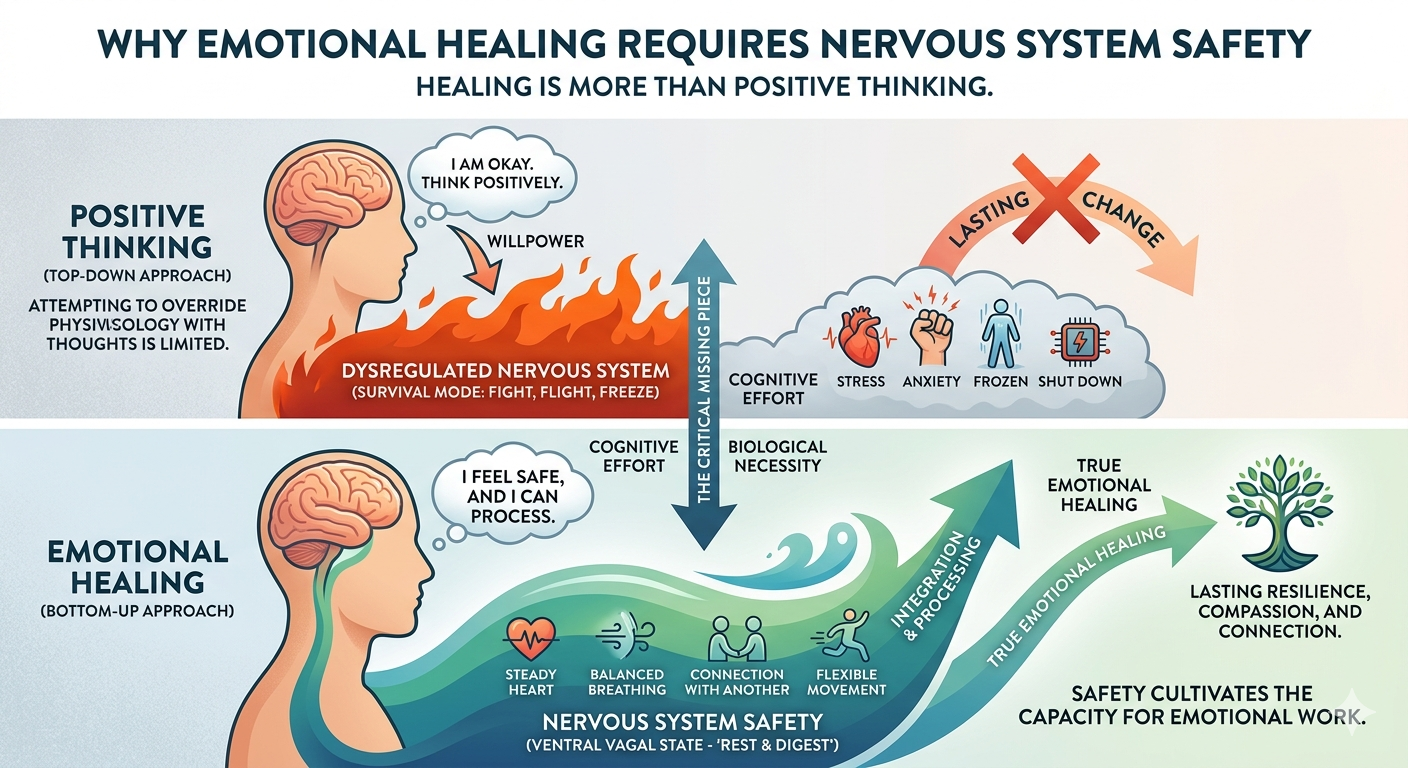
The Inner Child Effect
Sometimes the adult is not simply seeking romance.
The wounded child inside is seeking:
- Attention
- Appreciation
- Love
- Acceptance
When those needs remain unmet, people may become vulnerable to emotionally intense relationships.
Root Cause #3: Anxious Attachment
As discussed in previous HealOraCBT articles, childhood experiences shape attachment styles.
Individuals with anxious attachment often fear:
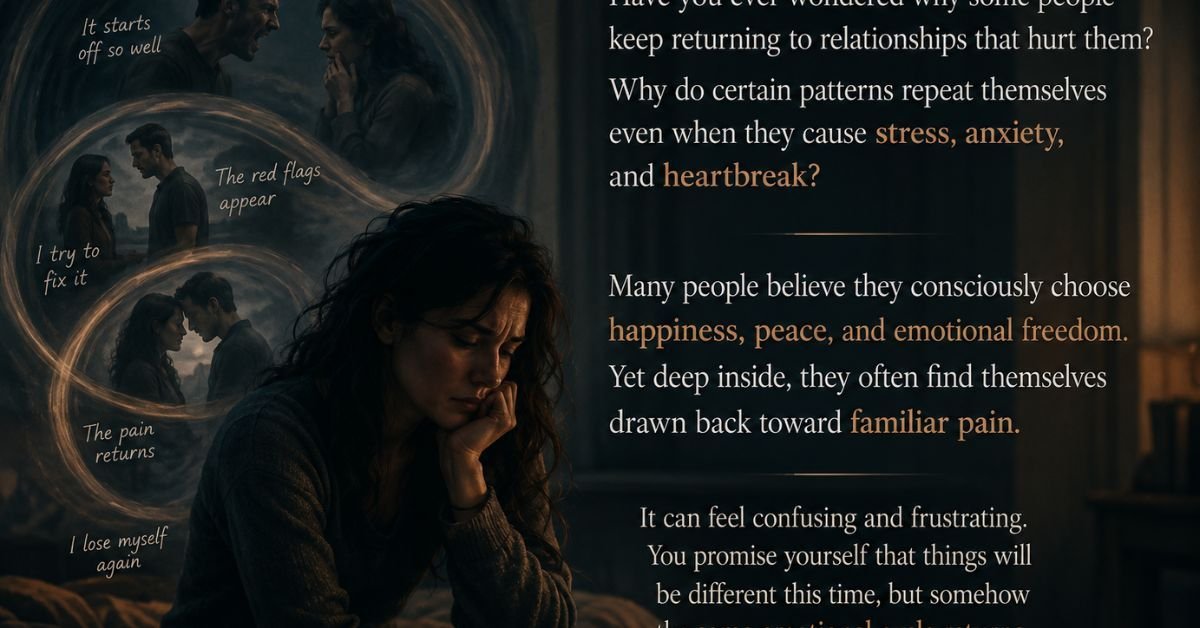
- Being abandoned
- Being forgotten
- Being unimportant
When someone provides attention, affection, or validation, the emotional impact can feel overwhelming.
The CBT Connection
The automatic thought may become:
“He understands me more than anyone else.”
Or:
“This person finally sees my value.”
These thoughts can create powerful emotional reactions.
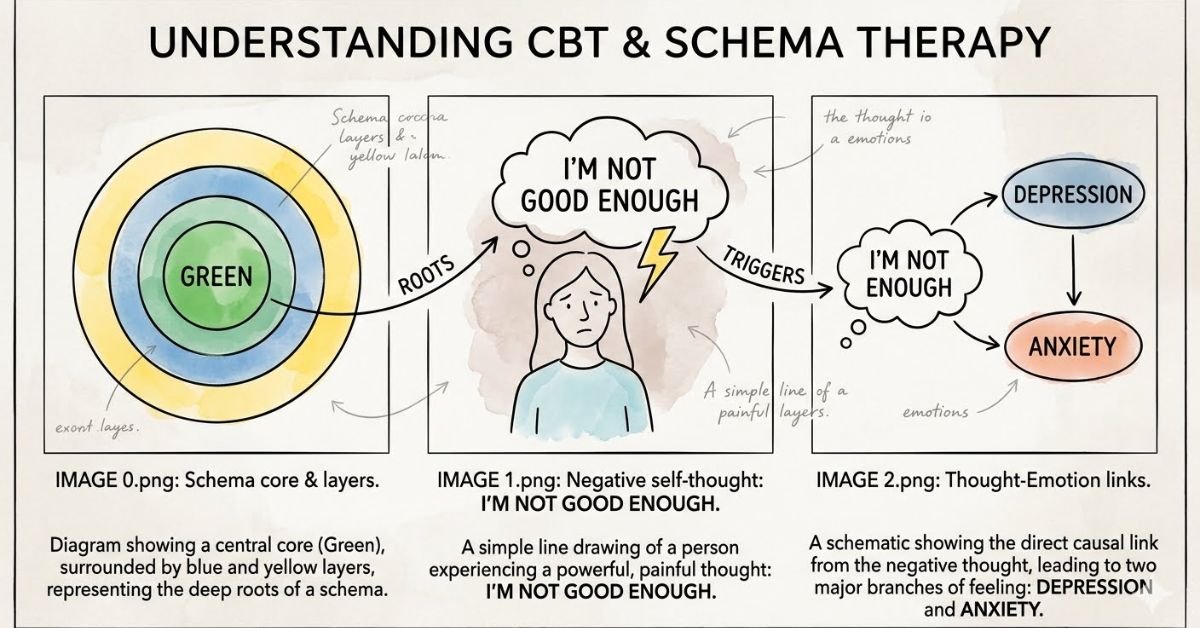
Root Cause #4: Emotional Deprivation Schema
The Three Types of Emotional Deprivation
According to the Psychology Tools Resource on Emotional Deprivation, this schema is the deep-seated belief that your emotional needs will never be adequately met by others. It generally breaks down into three distinct categories: [1, 2, 3, 4]
- Deprivation of Nurturance: A lack of physical affection, warmth, closeness, or comforting attention during childhood.
- Deprivation of Empathy: A lack of being listened to, validated, or understood by caregivers.
- Deprivation of Protection: The absence of direction, guidance, or a strong figure to lean on for safety. [1, 2]
How Therapy Identifies the Pattern
Therapists use integrated CBT and Schema techniques to bring this “invisible wound” to light: [1, 2]
Healing the Schema
Schema therapy, closely related to CBT, identifies emotional deprivation as a common pattern.
The individual believes:
- Nobody will meet my emotional needs.
- Nobody truly cares about me.
- I must survive emotionally alone.
When someone suddenly provides emotional attention, the experience can feel life-changing.
Root Cause #5: Midlife Emotional Crisis
Many people experience emotional reevaluation during middle adulthood.
Questions arise:
- Is this all my life will be?
- Have I sacrificed too much?
- Who am I beyond my responsibilities?
- What happened to my dreams?
Without healthy emotional processing, these questions can create vulnerability.
Root Cause #6: Seeking Identity Beyond Motherhood
Motherhood is beautiful.
But some women lose connection with their individual identity.
Years become dedicated to:
- Children
- Household responsibilities
- Family obligations
Eventually a painful question emerges:
“Who am I beyond being a mother?”
If identity development never occurred, emotional confusion may follow.
Root Cause #7: Cognitive Distortions
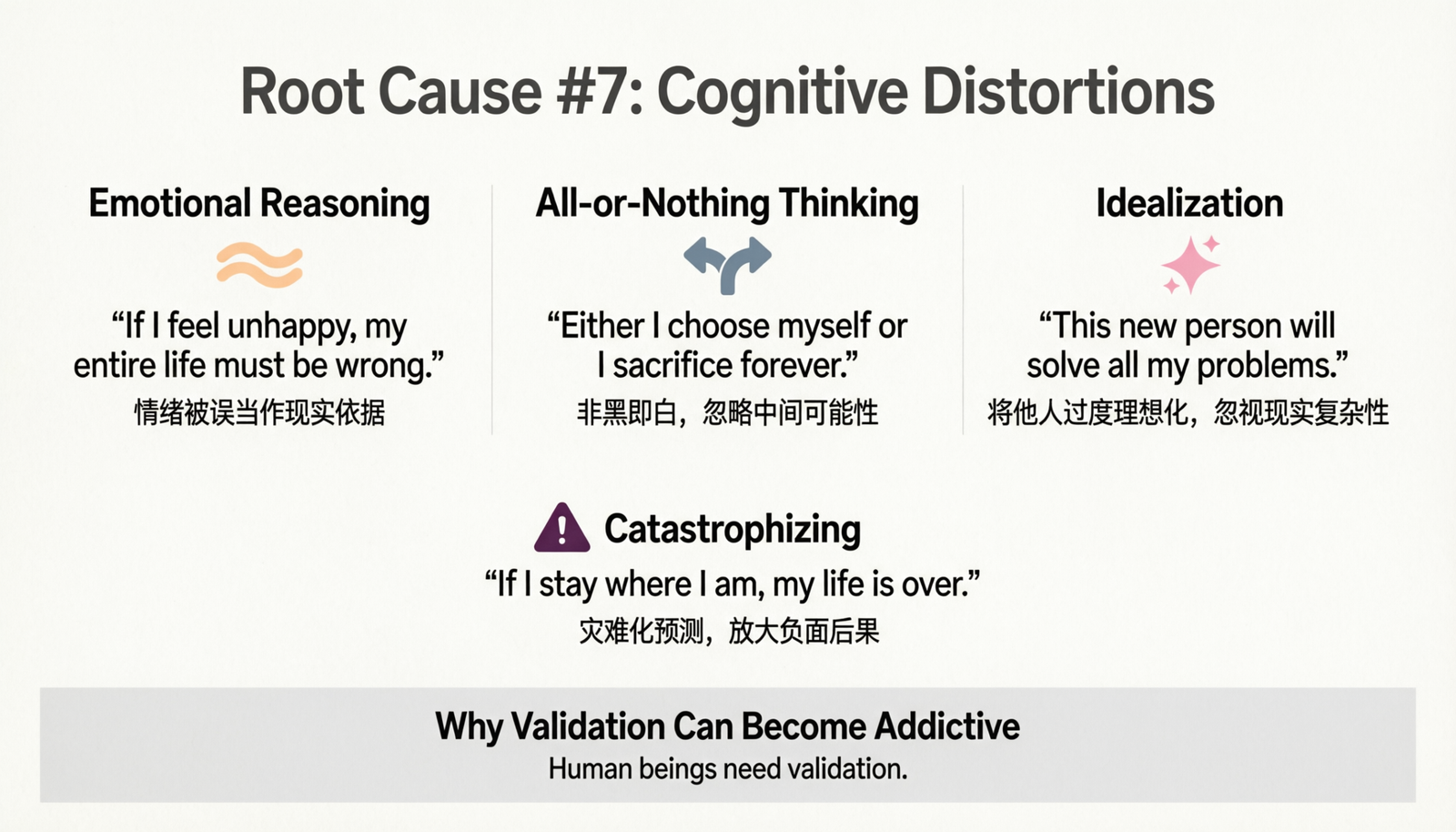
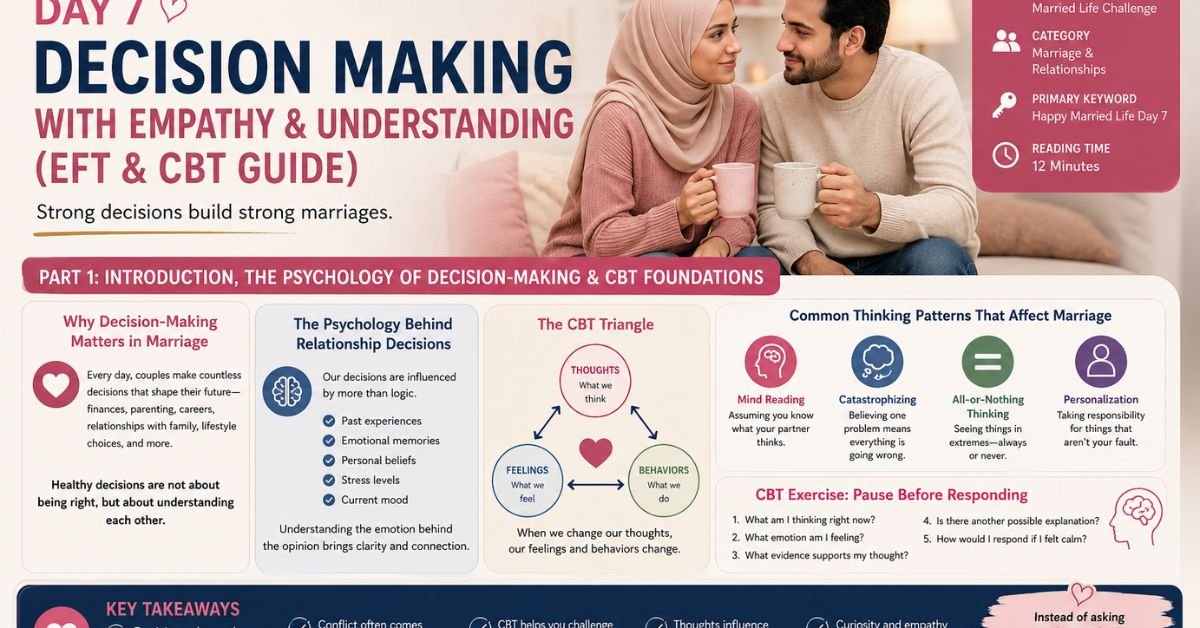
CBT identifies several thinking patterns that influence decision-making.
Emotional Reasoning
“If I feel unhappy, my entire life must be wrong.”
All-or-Nothing Thinking
“Either I choose myself or I sacrifice forever.”
Idealization
“This new person will solve all my problems.”
Catastrophizing
“If I stay where I am, my life is over.”
These distorted thoughts can influence major decisions.
Why Validation Can Become Addictive
Human beings need validation.
The problem occurs when self-worth depends entirely on external approval.
A person who has spent years feeling unseen may become emotionally dependent on someone who provides attention.
The attention feels like love.
But often it is relief from loneliness.
The two are not always the same.
How HealOraCBT Offers Healthier Alternatives
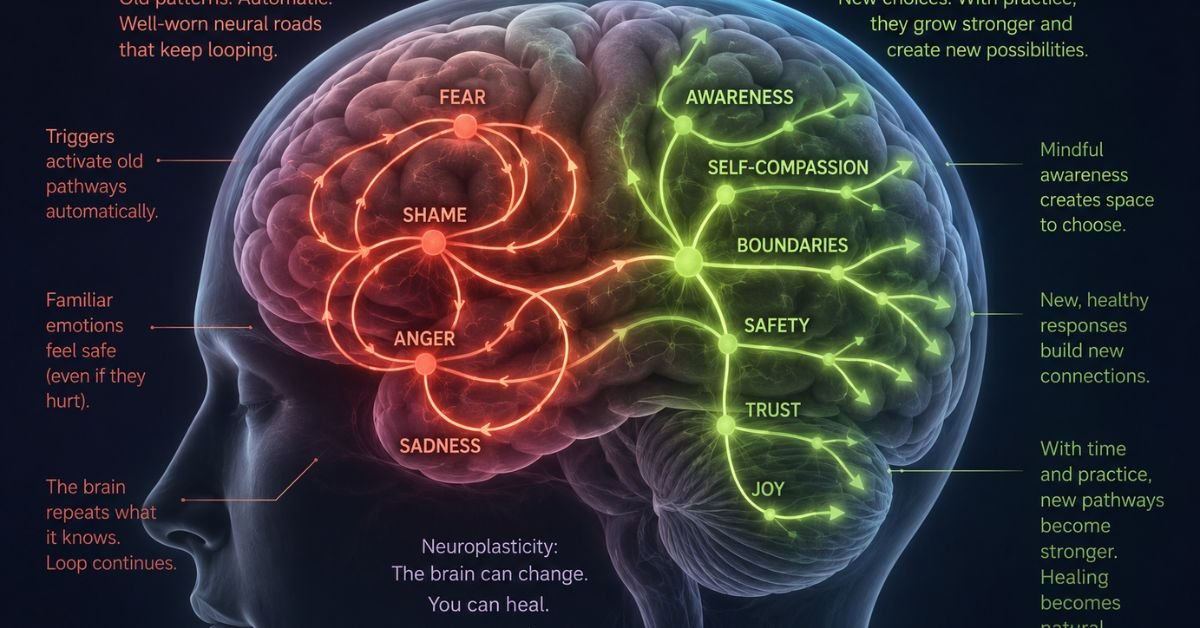
The goal is not to suppress emotions.
The goal is to process emotions before making life-changing decisions.
Pathway 1: CBT Thought Awareness
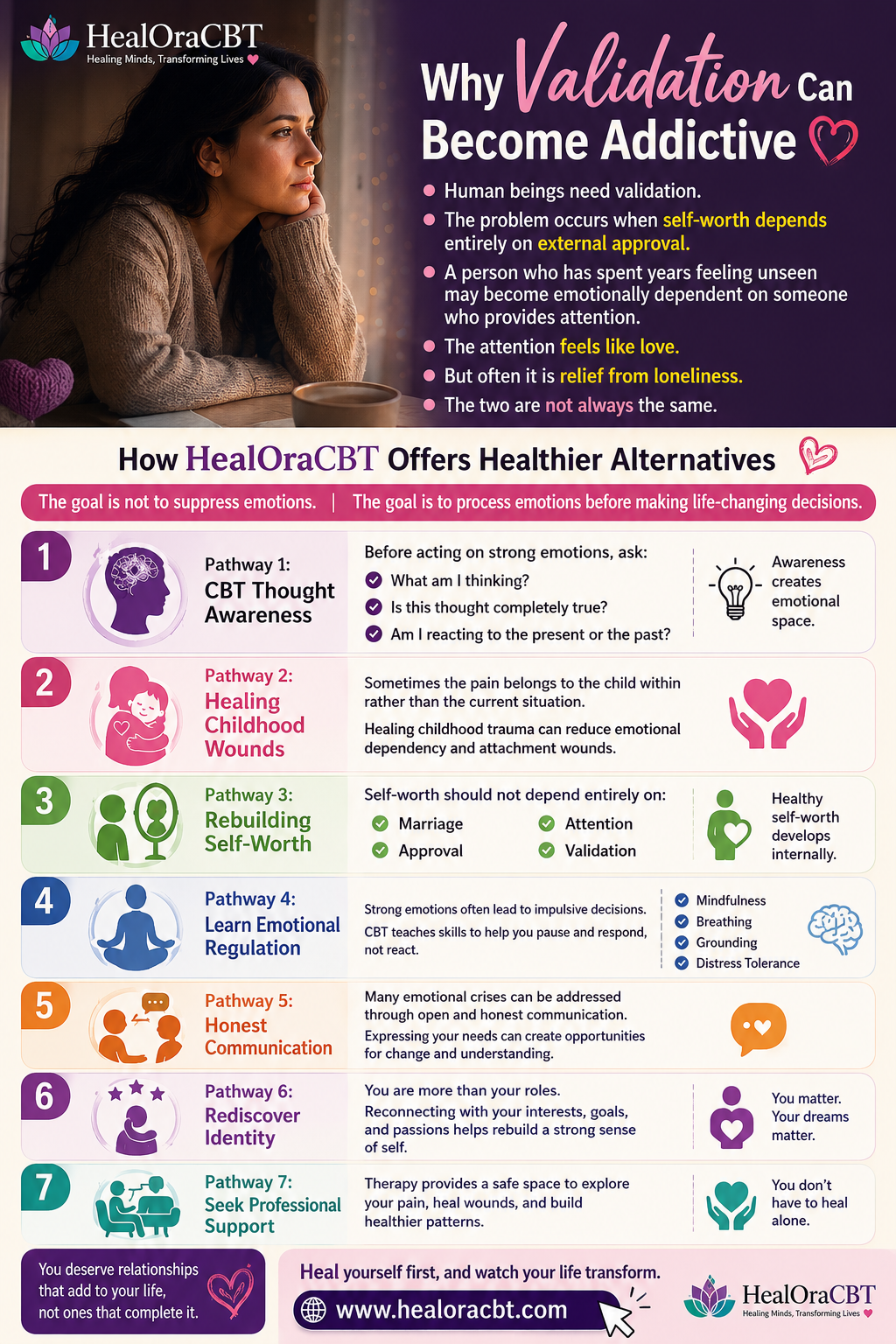
Before acting on strong emotions, ask:
- What am I thinking?
- Is this thought completely true?
- Am I reacting to the present or the past?
Awareness creates emotional space.
Pathway 2: Healing Childhood Wounds
Sometimes the pain belongs to the child within rather than the current situation.
Healing childhood trauma can reduce emotional dependency and attachment wounds.
Pathway 3: Rebuilding Self-Worth
Self-worth should not depend entirely on:
- Marriage
- Attention
- Approval
- Validation
Healthy self-worth develops internally.
Pathway 4: Learning Emotional Regulation
Strong emotions often create impulsive decisions.
CBT teaches:
- Mindfulness
- Thought challenging
- Emotional regulation
- Distress tolerance
These skills help people respond thoughtfully rather than react emotionally.
Pathway 5: Honest Communication
Many emotional crises can be addressed through communication before reaching a breaking point.
Expressing:
- Loneliness
- Emotional needs
- Frustrations
- Unmet expectations
can sometimes create opportunities for change.
Pathway 6: Rediscovering Identity
Individuals need identities beyond their roles.
Motherhood is important.
Marriage is important.
But personal growth matters too.
Healthy identity includes:
- Interests
- Goals
- Purpose
- Personal development
Pathway 7: Professional Emotional Support
Therapy provides a safe space to explore:
- Trauma
- Attachment wounds
- Relationship patterns
- Self-worth struggles
Without risking impulsive decisions that may affect entire families.
What Society Often Misses
Society usually sees behavior.
Therapy explores pain.
Society asks:
“How could she do this?”
CBT asks:
“What beliefs, emotions, and experiences may have contributed to this decision?”
Understanding is not the same as approval.
But understanding creates opportunities for prevention and healing.
Frequently Asked Questions
Does emotional loneliness affect decision-making?
Yes. Chronic emotional loneliness can influence thinking patterns, emotional regulation, and relationship choices.
Can childhood trauma affect adult relationships?
Absolutely. Childhood experiences often shape attachment styles, self-worth, and emotional needs.
Does attention always mean love?
No. Sometimes attention temporarily relieves emotional pain, which can feel similar to love.
Can CBT help prevent impulsive relationship decisions?
CBT helps individuals identify distorted thoughts, regulate emotions, and make more balanced decisions.
Why do some people seek validation outside relationships?
Unresolved emotional wounds, low self-worth, loneliness, and unmet emotional needs can contribute to validation-seeking behaviors.
Conclusion
When society sees a controversial relationship decision, it often focuses on blame.
CBT encourages a deeper perspective.
Human behavior is rarely caused by a single moment.
It is often the result of years of emotional experiences, beliefs, unmet needs, attachment wounds, and unresolved pain.
Understanding these factors does not excuse harmful actions.
But it can help individuals recognize warning signs earlier and choose healthier pathways for healing
Final Thoughts
Every person carries a story that others cannot see.
Behind many life-altering decisions are invisible struggles, unspoken loneliness, and unmet emotional needs.
The answer is not judgment.
The answer is awareness, healing, self-understanding, and emotional growth.
When emotional wounds are addressed early, people are more likely to build lives based on clarity, self-respect, and healthy relationships rather than reacting from pain.





Leave a Reply