

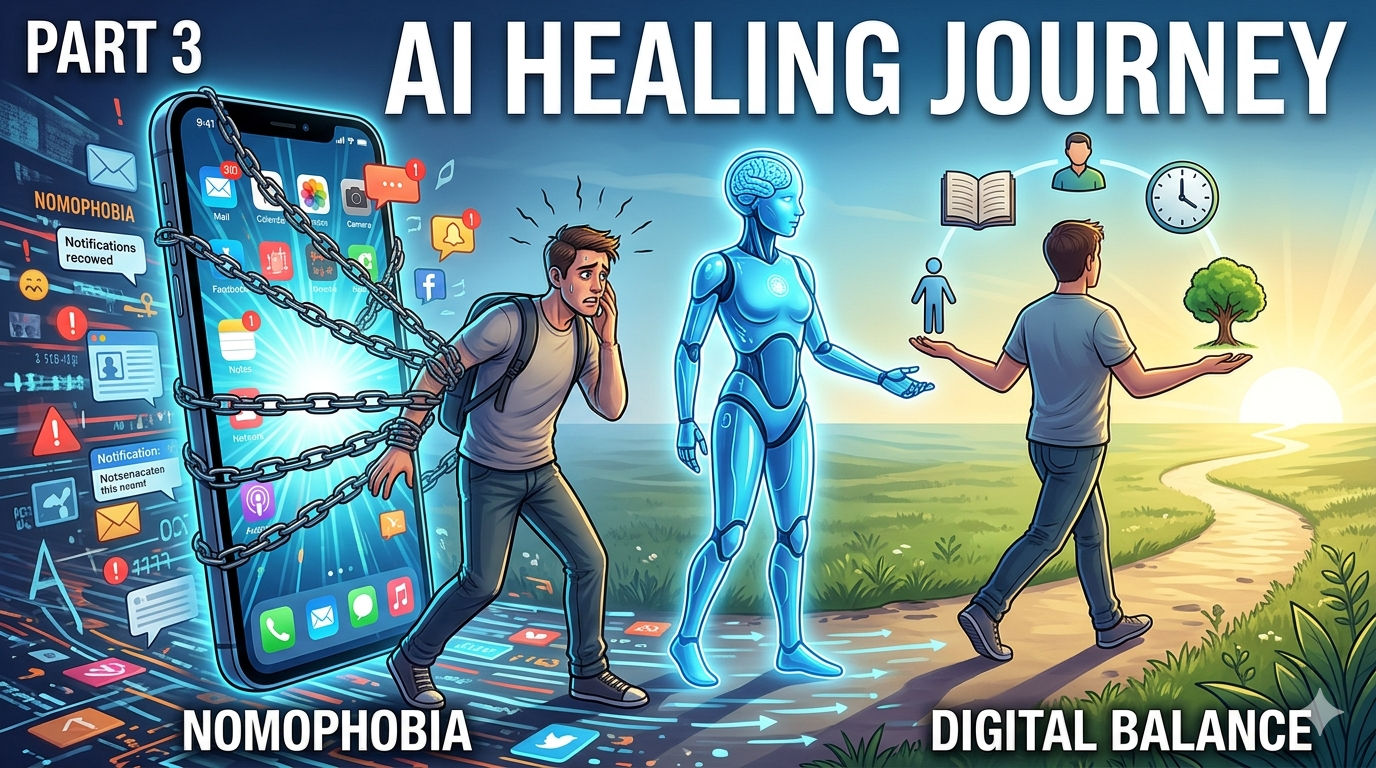
Nomophobia stands for:
“No-Mobile-Phone Phobia.”
Thank you for reading this post; don't forget to subscribe!
It describes the anxiety, stress, or emotional discomfort people feel when they are away from their phones.
This may include: Nomophobia
- Panic when the battery dies
- Stress when messages go unanswered
- Fear of missing notifications
- Constant checking behavior
- Inability to stay offline
- Feeling emotionally unsafe without internet access
Nomophobia is becoming increasingly common among teenagers, professionals, students, parents, and even children.
For some people, the phone is no longer just a communication tool. It becomes:
A survival mechanism for loneliness
A distraction from emotional pain
A source of emotional validation
A temporary escape from reality
A replacement for real connection
Nomophobia (No Mobile Phone Phobia) is a modern psychological condition where individuals experience significant anxiety when they are unable to access their mobile devices. Whether it’s a dead battery, no signal, or simply leaving the phone at home, the emotional distress can be overwhelming.
Signs You Might Be Experiencing Nomophobia
Common symptoms include checking your phone compulsively, feeling panic when the battery is low, and avoiding social situations where phone use is restricted. This dependency often masks deeper issues like social anxiety or the fear of missing out (FOMO).Have you ever picked up your phone without even realizing it?
You unlock the screen. You scroll for a few minutes. You close the app. Then, only seconds later, you reach for the phone again.
For many people, this cycle repeats dozens sometimes hundreds of times every day.
This is not just a habit anymore. It is becoming an emotional dependency.
In today’s hyperconnected world, many people quietly struggle with a modern anxiety called Nomophobia — the fear of being without a mobile phone, internet connection, notifications, or digital access.
At first, it seems harmless.
Checking messages. Refreshing social media. Watching short videos. Keeping the phone nearby while sleeping.
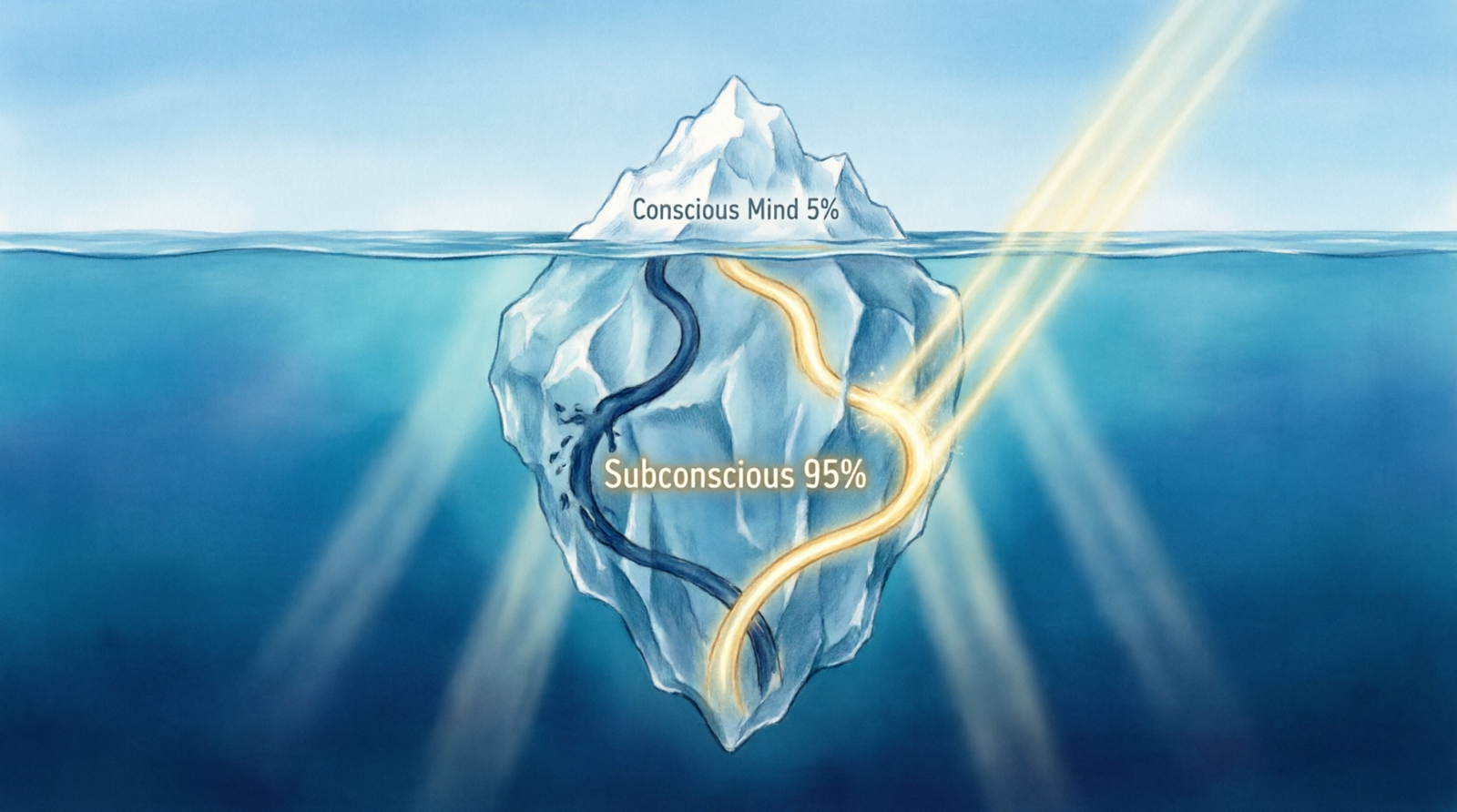
But over time, the nervous system begins depending on constant stimulation. The brain becomes addicted to alerts, validation, distraction, and emotional escape.
That is why many people now feel:
- Restless without their phones
- Emotionally empty in silence
- Anxious when batteries are low
- Lonely without online interaction
- Unable to focus deeply
- Emotionally disconnected from real life
Sometimes people ask::
What is really happening inside us emotionally?
And another powerful question:
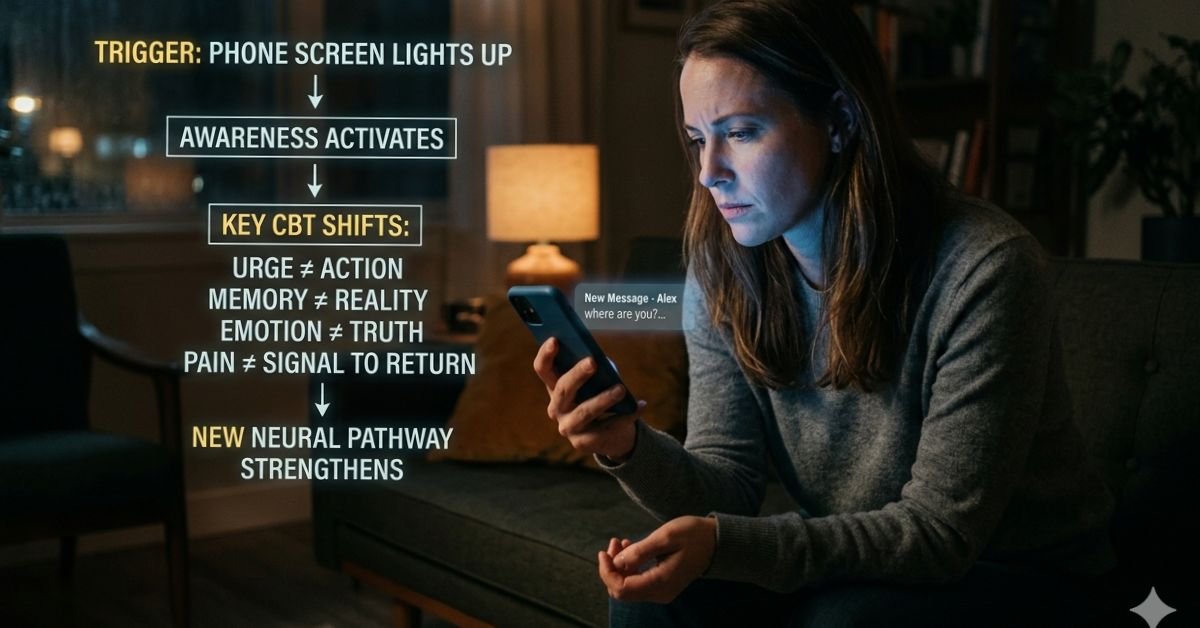
Addressing Nomophobia requires a structured approach to rebuild your relationship with technology. Professional therapy services offer effective strategies:
- Cognitive Behavioral Therapy (CBT): Identifying the irrational thoughts behind the need for constant connectivity.
- Exposure Therapy: Gradually increasing “phone-free” intervals to desensitize the anxiety response.
- Mindfulness Training: Learning to stay present in the moment without digital distractions.
The Hidden Psychology Behind Digital Attachment
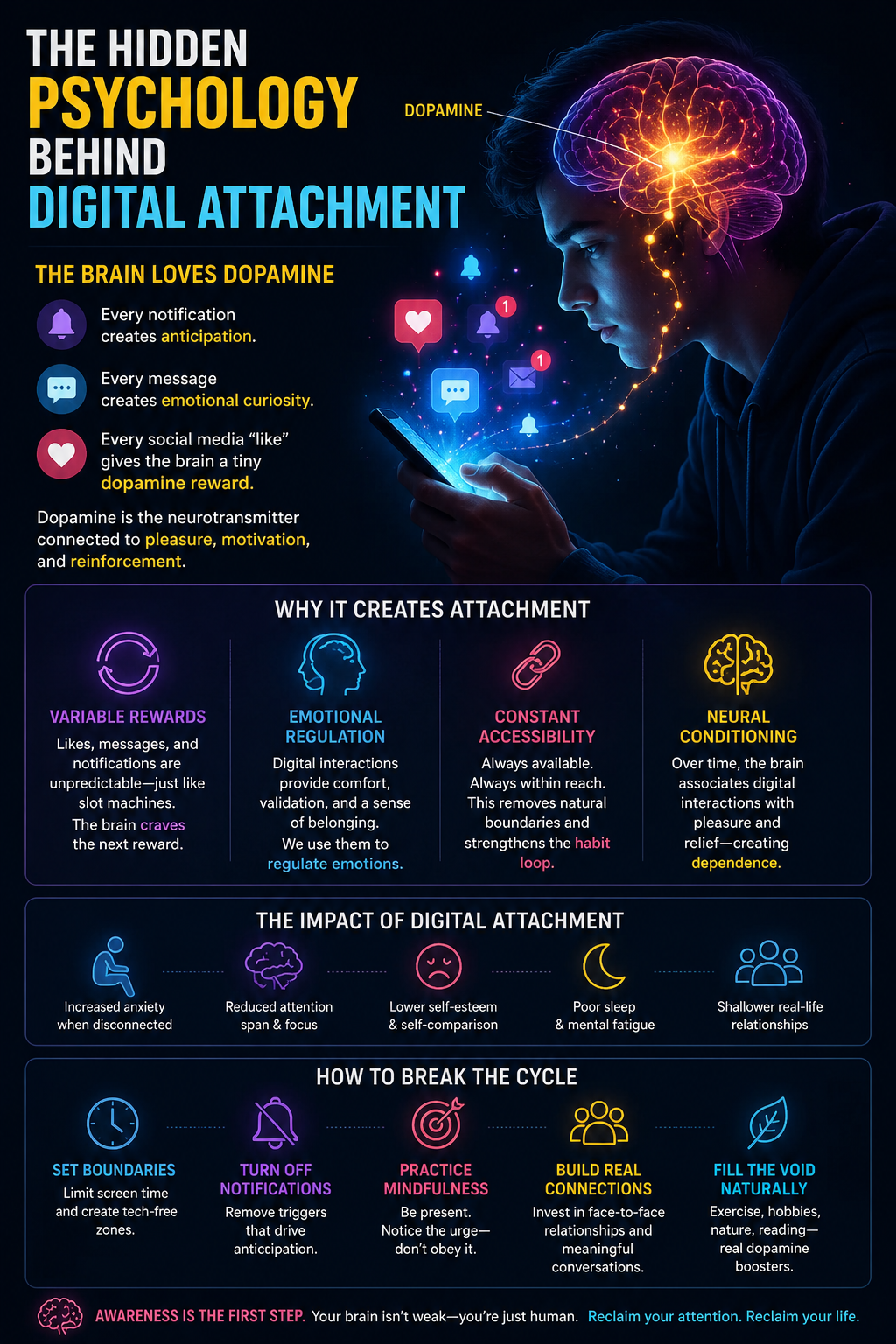
The Brain Loves Dopamine
Every notification creates anticipation.
Every message creates emotional curiosity.
Every social media “like” gives the brain a tiny dopamine reward.
Dopamine is the neurotransmitter connected to:
- Motivation
- Reward
- Pleasure
- Craving
- Anticipation
The brain begins learning:
“Phone equals emotional reward.”
Over time, the nervous system starts depending on constant stimulation.
That is why silence now feels uncomfortable for many people.
Emotional Escape and Avoidance
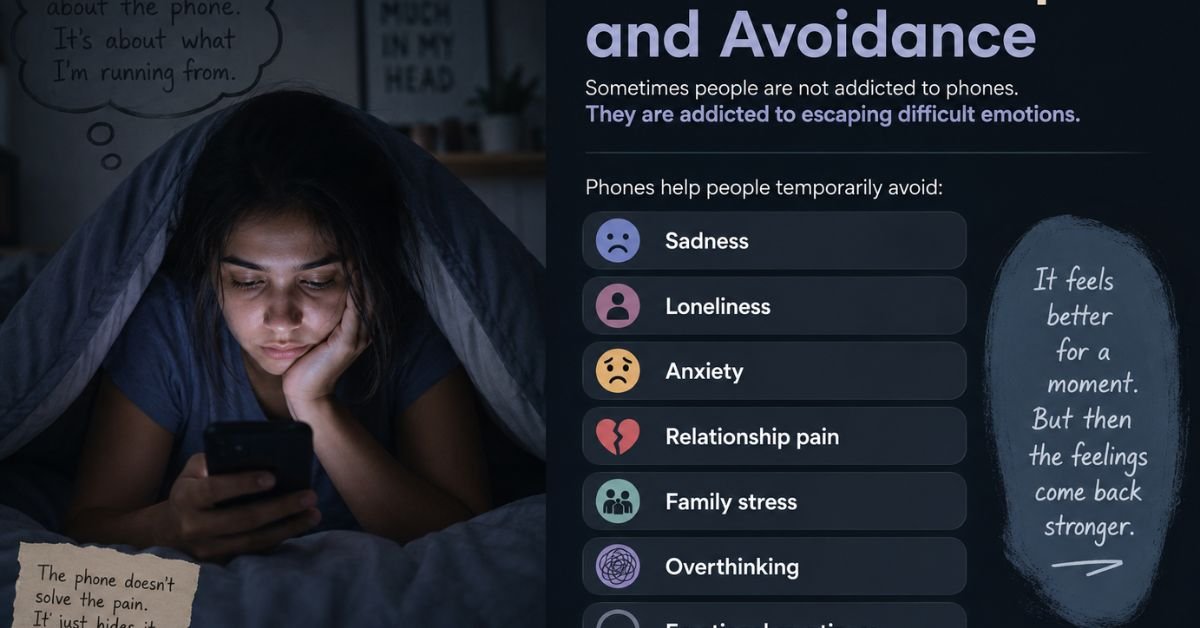
Sometimes people are not addicted to phones. They are addicted to escaping difficult emotions.
Phones help people temporarily avoid:
- Sadness
- Loneliness
- Anxiety
- Relationship pain
- Family stress
- Overthinking
- Emotional emptiness
Digital stimulation keeps the mind busy.
But emotional avoidance creates deeper exhaustion later.
Signs You May Be Struggling with Nomophobia
Emotional Symptoms
Anxiety Without the Phone
You feel uneasy when your phone is not nearby.
Irritation During Silence
You become restless without entertainment or scrolling.
Emotional Dependence on Notifications
Your mood changes based on replies, likes, or online attention.
Fear of Missing Out
You constantly check updates because you fear being excluded.
Behavioral Symptoms
Checking the Phone Repeatedly
Even without notifications, you unlock the screen.
Sleeping With the Phone Nearby
Many people sleep with the phone under their pillow or beside them.
Scrolling Without Purpose
Hours disappear while consuming random content.
Ignoring Real-Life Conversations
Why Are We So Emotionally Attached to Phones?
Loneliness in the Modern World
Technology connects people digitally. But emotionally, many individuals feel more isolated than ever.
A phone can create the illusion of connection.
People may have:
- Hundreds of followers
- Endless online chats
- Constant notifications
Yet still feel emotionally unseen.
Trauma and Emotional Attachment
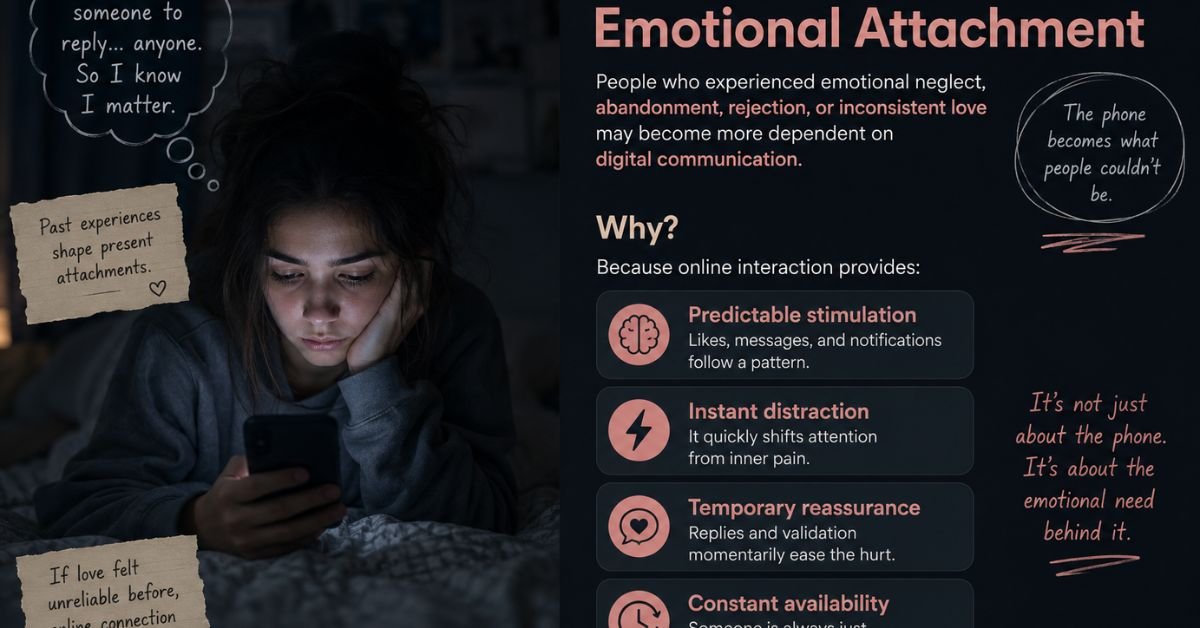
People who experienced emotional neglect, abandonment, rejection, or inconsistent love may become more dependent on digital communication.
Why?
Because online interaction provides:
- Predictable stimulation
- Instant distraction
- Temporary reassurance
- Constant availability
The brain begins using the phone to regulate emotions.
How Nomophobia Affects Mental Health
Increased Anxiety
Constant digital stimulation keeps the nervous system activated.
The brain rarely experiences true rest.
This can increase:
- General anxiety
- Panic symptoms
- Emotional sensitivity
- Irritability
- Mental fatigue
Reduced Attention Span
Short-form content trains the brain to expect constant novelty.
As a result:
- Focus decreases
- Patience weakens
- Deep thinking becomes harder
- Reading long content feels exhausting
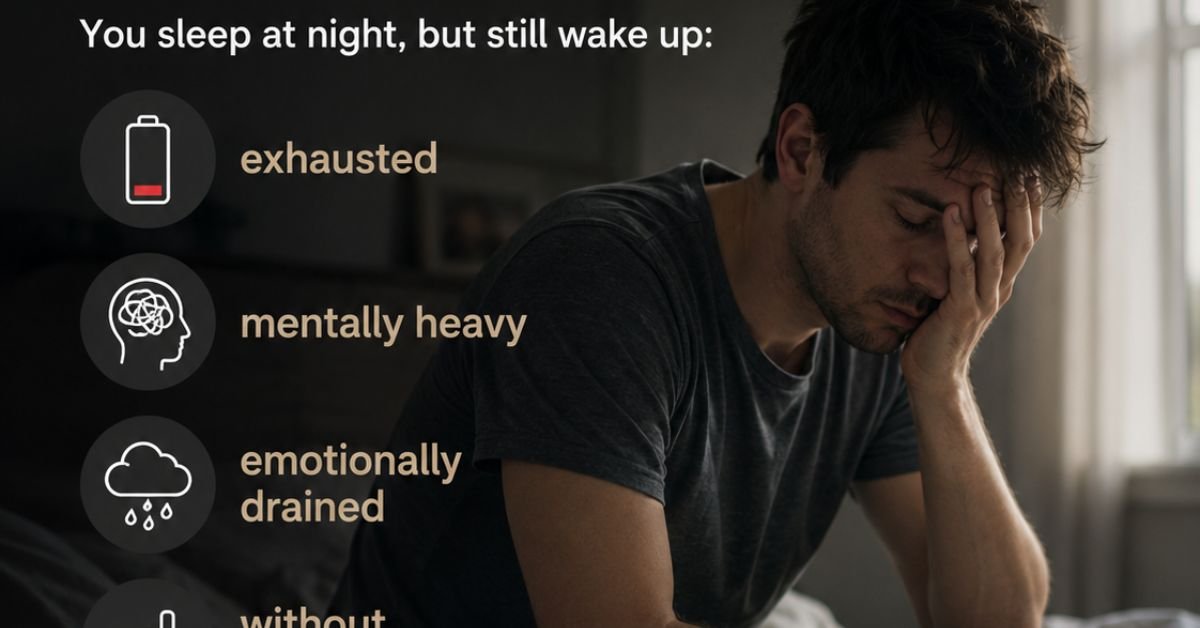
Sleep Disturbance
Blue light and emotional stimulation before sleep interfere with melatonin production.
Late-night scrolling can worsen:
- Insomnia
- Emotional exhaustion
- Morning fatigue
- Mood instability
Emotional Burnout
Being constantly “online” creates psychological overload.
The mind never fully disconnects.








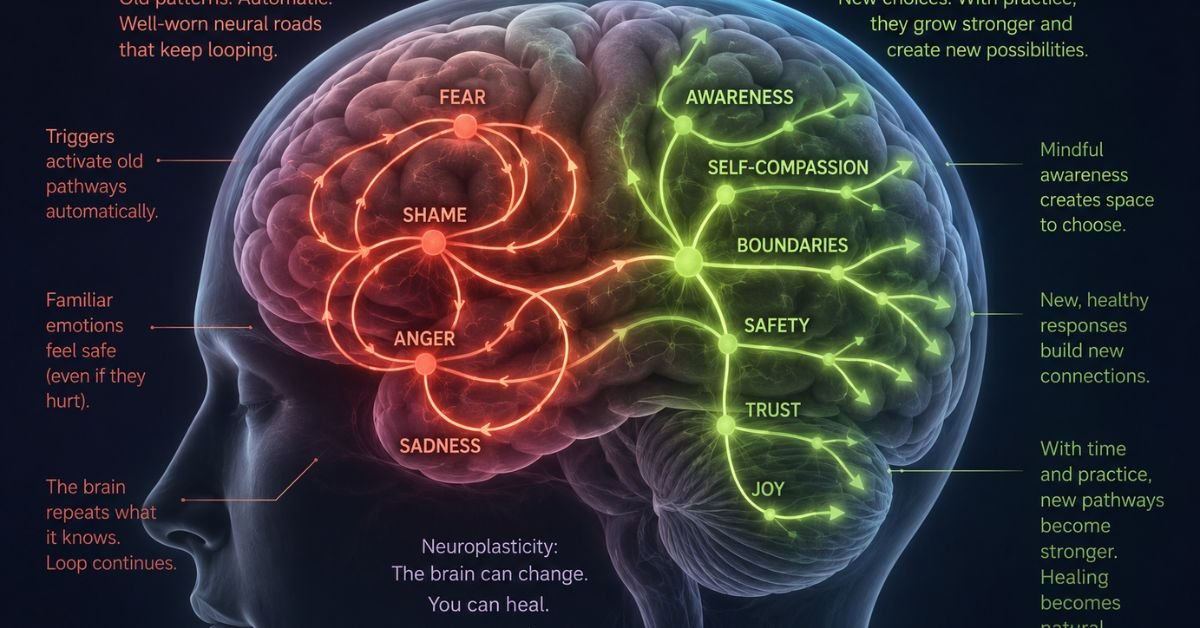

Why Your Brain Repeats Emotional Pain Healora for Healing
[…] And that feeling becomes easier to access next time. […]