

- Introduction
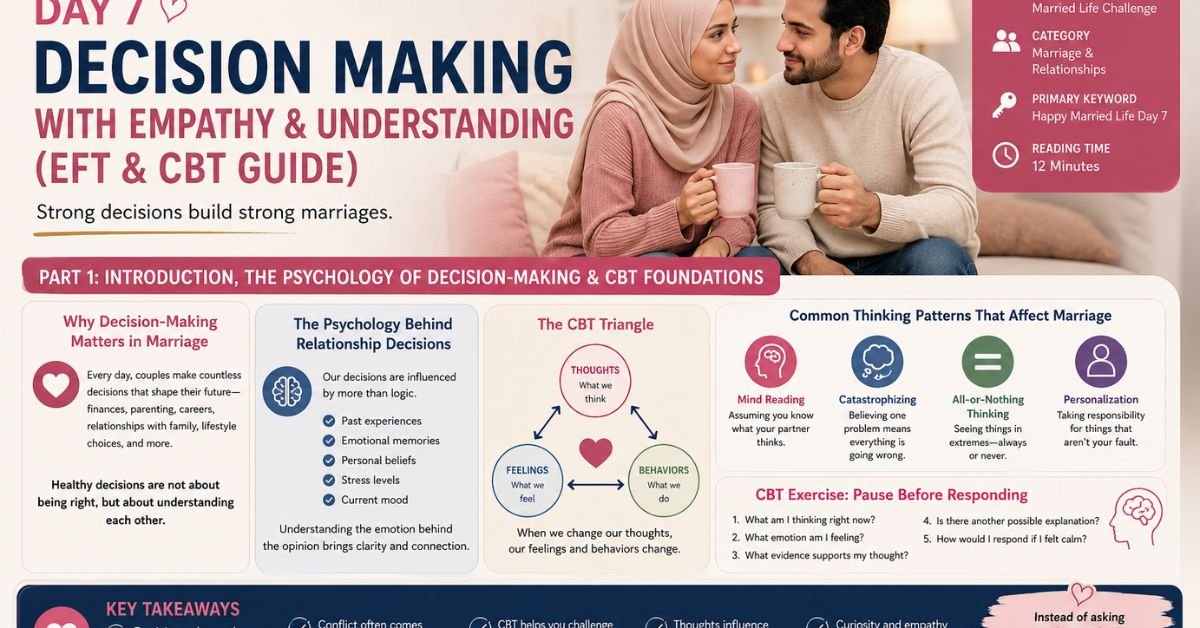
- Why Decision-Making Matters in Marriage
- The Psychology Behind Relationship Decisions
- Why Couples React Emotionally During Decisions
- Understanding Cognitive Behavioral Therapy (CBT)
- The CBT Triangle
- Common Thinking Patterns That Affect Marriage
- CBT Exercise: Pause Before Responding
- Building a Strong Foundation Before Solving Problems
- Key Takeaways from Part 1
Introduction
Marriage is not defined by a single life-changing moment. Instead, it is shaped by countless everyday decisions—how partners communicate after a disagreement, how they divide responsibilities, manage finances, support each other’s dreams, and respond during stressful situations.Happy Married Life Day 7: Decision Making
Thank you for reading this post; don't forget to subscribe!
Every decision, whether small or significant, contributes to the emotional climate of a relationship. Couples who approach these moments with understanding, patience, and mutual respect often build stronger trust over time.
Many people believe that disagreements indicate an unhealthy relationship. However, psychological research suggests that conflict itself is not the primary problem. Instead, difficulties arise when partners feel misunderstood, emotionally unsafe, or unable to express their thoughts openly. Learning to communicate with empathy and emotional awareness is therefore just as important as reaching the “right” decision.
In this Happy Married Life Day 7 guide, you’ll explore how Cognitive Behavioral Therapy (CBT) and Emotionally Focused Therapy (EFT) can help couples make healthier decisions together. These evidence-based approaches encourage self-awareness, emotional regulation, and constructive communication—skills that strengthen relationships over time.
This approach also aligns with Google’s current guidance on creating helpful, reliable, people-first content, which emphasizes providing practical, trustworthy information that genuinely helps readers rather than writing solely to improve search rankings.
Why Decision-Making Matters in Marriage
Every relationship involves choices, including:Happy Married Life Day 7: Decision Making
- Planning monthly finances
- Parenting decisions
- Career changes
- Household responsibilities
- Supporting extended family
- Health and lifestyle choices
- Personal goals and shared dreams
While the topics may differ, the emotional process behind these conversations is often similar.
When one partner feels ignored, criticized, or dismissed, the discussion can quickly become emotionally charged. Over time, repeated negative interactions may weaken trust and make future conversations more difficult.
Healthy couples recognize that effective decision-making isn’t about “winning” an argument. It’s about understanding each other’s perspectives and working toward solutions that respect both partners.
The Psychology Behind Relationship Decisions
Every decision is influenced by more than logic.
Our brains process information through a combination of:
- Past experiences
- Childhood learning
- Emotional memories
- Personal beliefs
- Expectations
- Stress levels
- Current mood
For example:
Imagine a couple discussing whether to purchase a new home.
One partner wants to save money.
The other wants to move immediately.
At first glance, this appears to be a disagreement about finances.
However, the underlying emotions may be very different.
The partner who prefers saving may have experienced financial insecurity while growing up.
The partner eager to move may associate home ownership with stability and emotional security.
Both viewpoints are understandable.
Understanding the emotions beneath the positions often helps couples move from conflict toward collaboration.
Why Couples React Emotionally During Decisions
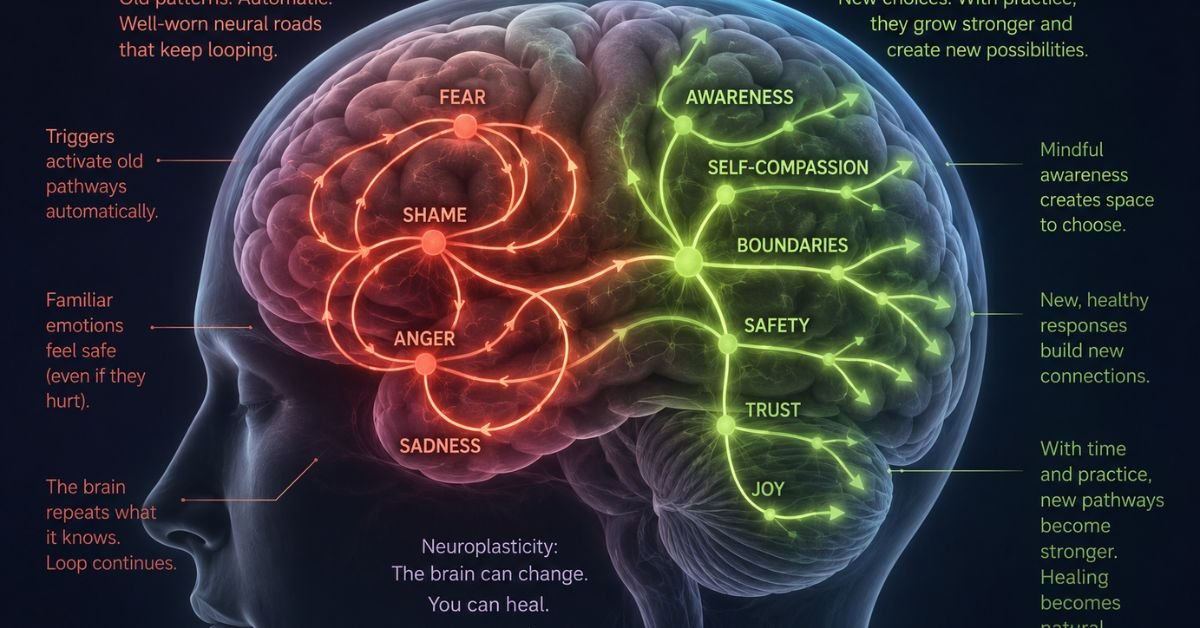
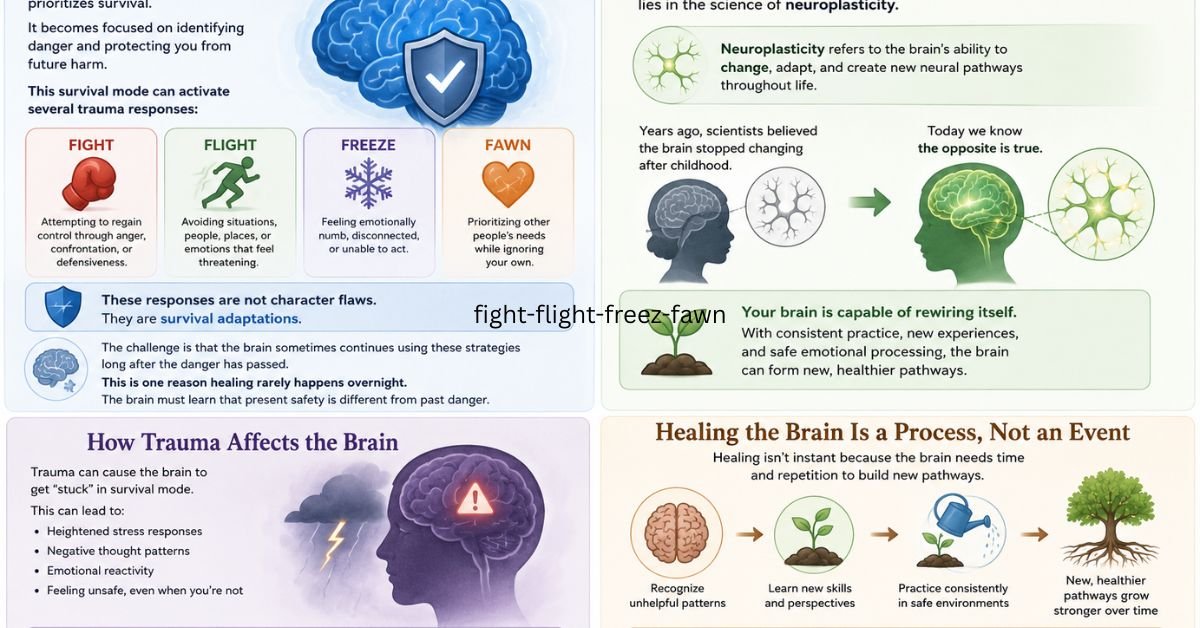
The human brain is designed to protect us.
When we perceive criticism, rejection, or uncertainty, our brain may activate a stress response before we’ve had time to think carefully.
This can lead to:
- Defensiveness
- Anger
- Withdrawal
- Blaming
- Shutting down
- Avoiding conversations
These reactions are common and do not necessarily mean a relationship is failing.Happy Married Life Day 7: Decision Making
Developing awareness of these automatic responses allows couples to pause, reflect, and respond more thoughtfully.
Understanding Cognitive Behavioral Therapy (CBT)
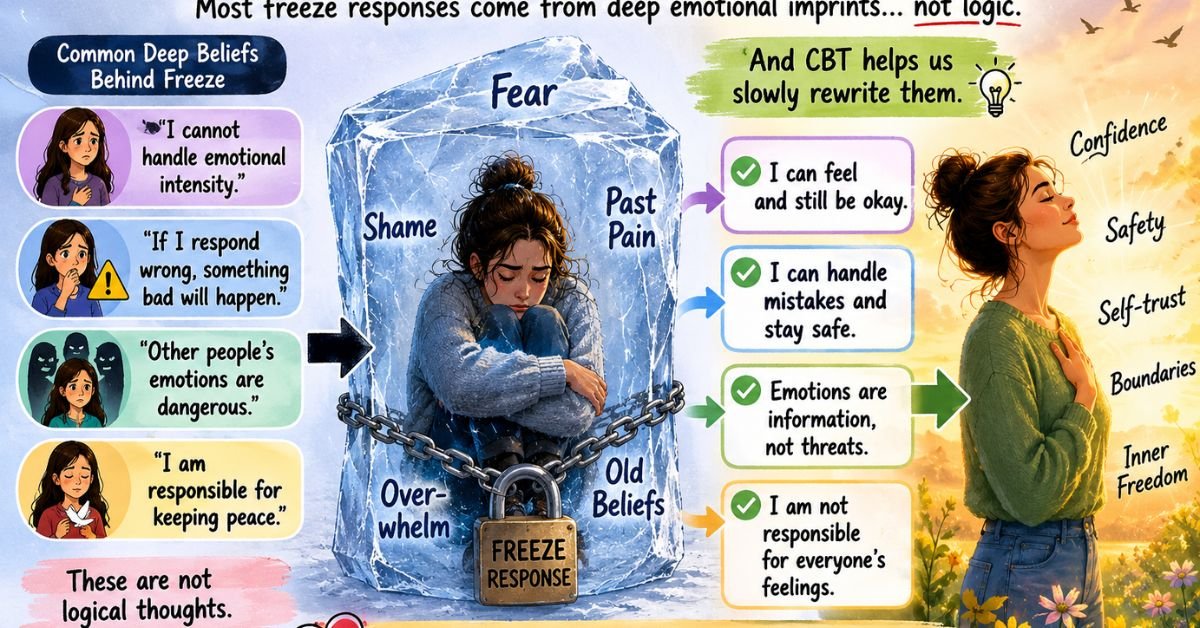
Cognitive Behavioral Therapy (CBT) is a structured psychological approach that explores the relationship between thoughts, emotions, and behaviors.
Rather than assuming events directly cause emotional reactions, CBT suggests that our interpretation of those events strongly influences how we feel and behave.
This principle can be especially helpful in relationships.
For example:
Situation:
Your partner forgets to call after work.
Automatic Thought:
“They don’t care about me.”
Emotion:
Hurt.
Behavior:
You become distant or argumentative.
An alternative interpretation might be:
“They may have become busy or forgotten.”
Emotion:
Concern rather than anger.
Behavior:
You calmly ask what happened.Happy Married Life Day 7: Decision Making
Although the situation remains the same, changing the interpretation can lead to a healthier interaction.
CBT encourages couples to examine their automatic thoughts before reacting impulsively.
The CBT Triangle
CBT often describes the connection between three elements:Happy Married Life Day 7: Decision Making
Thoughts
The meaning we assign to events.
Feelings
The emotions that arise from those interpretations.
Behaviors
The actions we take in response.
For example:
Situation
Your spouse disagrees with your opinion.
Thought
“They never respect me.”
Feeling
Frustration.
Behavior
Raising your voice.
After applying CBT:
Thought
“We see this differently, and that’s okay.”Happy Married Life Day 7: Decision Making
Feeling
Calm curiosity.
Behavior
Asking questions instead of arguing.
This simple shift can dramatically change the tone of a conversation.
Common Thinking Patterns That Affect Marriage
CBT identifies several thinking patterns that can unintentionally increase conflict.
Mind Reading
Assuming you already know what your partner thinks.
Instead of asking:
“Did you mean to upset me?”
You assume:
“They wanted to hurt me.”
Catastrophizing
Believing one disagreement means the relationship is in danger.Happy Married Life Day 7: Decision Making
Example:
“We argued today.”
Automatic conclusion:
“Our marriage is falling apart.”
A more balanced thought:
“We had a difficult conversation, but we can work through it.”
All-or-Nothing Thinking
Using words such as:
- Always
- Never
- Everyone
- Nothing
For example:
“You never listen.”
Replacing absolute language with specific examples often leads to more productive discussions.Happy Married Life Day 7: Decision Making
Personalization
Taking responsibility for events outside your control.
Example:
“My partner seems quiet today.”
Automatic thought:
“I must have done something wrong.”
Alternative thought:
“They may simply be tired or stressed.
CBT Exercise: Pause Before Responding
The next time you disagree with your spouse, ask yourself:
- What am I thinking right now?
- What emotion am I feeling?
- What evidence supports my thought?
- Is there another possible explanation?
- How would I respond if I felt calm?
This brief pause helps interrupt automatic reactions and encourages more thoughtful communication.Happy Married Life Day 7: Decision Making
Building a Strong Foundation Before Solving Problems
Healthy decision-making begins long before discussing solutions.
Couples benefit from first creating emotional safety by:
- Listening without interrupting.
- Showing curiosity about each other’s perspective.
- Avoiding personal attacks.
- Acknowledging emotions, even when opinions differ.
- Focusing on shared goals rather than individual victories.
When people feel emotionally safe, they are more willing to collaborate and compromise.Happy Married Life Day 7: Decision Making
Key Takeaways from Part 1
- Every marriage involves ongoing decisions that shape the relationship.
- Conflict often reflects unmet emotional needs rather than incompatible values.
- CBT helps couples recognize and challenge unhelpful thinking patterns.
- Thoughts influence emotions, and emotions influence behavior.
- Replacing assumptions with curiosity can improve communication.
- Emotional awareness creates a stronger foundation for healthy decision-making.
In Part 2, we’ll explore Emotionally Focused Therapy (EFT), empathy-building techniques, communication exercises, and practical strategies couples can use to navigate difficult conversations with greater understanding and connection.
This structure reflects Google’s emphasis on creating original, people-first content that provides practical value, demonstrates trustworthy information, and helps readers solve real problems rather than focusing only on search rankings.
. American Psychological Association (APA) – CBT for Couples
Use for:
- Cognitive Behavioral Therapy (CBT)
- Communication patterns
- Relationship satisfaction
- Decision-making skills
Reference
- American Psychological Association – Enhanced Cognitive–Behavioral Therapy for Couples
- Authors: Norman B. Epstein & Donald H. Baucom
- APA Publication (2002)
Supports statements like:
- CBT helps couples identify unhelpful thinking patterns.
- Thoughts influence emotions and behaviors.
- Relationship satisfaction improves through cognitive restructuring.
2. The Gottman Institute
Use for:
- Healthy communication
- Conflict management
- Trust
- Daily positive interactions
Official research pages
- https://www.apa.org/https://www.apa.org/
Research highlights include:
- More than 50 years of relationship research
- The “Four Horsemen”





Leave a Reply