

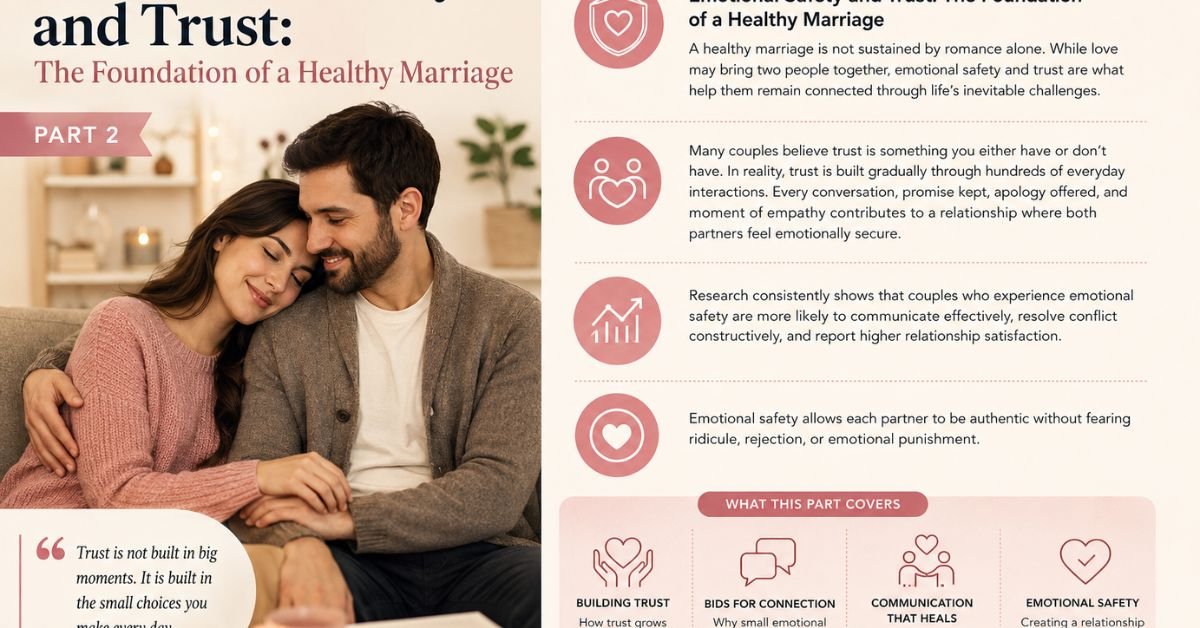
Emotional Safety and Trust: The Foundation of a Healthy Marriage
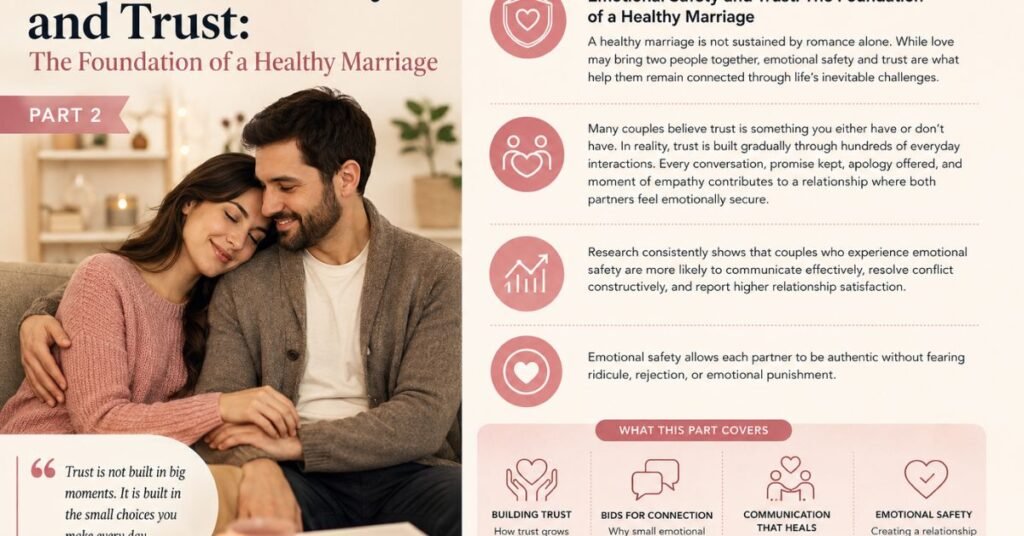
A healthy marriage is not sustained by romance alone. While love may bring two people together, emotional safety and trust are what help them remain connected through life’s inevitable challenges.
Thank you for reading this post; don't forget to subscribe!
Many couples believe trust is something you either have or don’t have. In reality, trust is built gradually through hundreds of everyday interactions. Every conversation, promise kept, apology offered, and moment of empathy contributes to a relationship where both partners feel emotionally secure.
Research consistently shows that couples who experience emotional safety are more likely to communicate effectively, resolve conflict constructively, and report higher relationship satisfaction. Emotional safety allows each partner to be authentic without fearing ridicule, rejection, or emotional punishment.Part 2: Emotional Safety and Trust in a Healthy Marriage
What Is Emotional Safety?
When emotional safety exists, both partners can:
- Express thoughts honestly
- Admit mistakes without humiliation
- Share fears and vulnerabilities
- Discuss difficult topics calmly
- Ask for support without embarrassment
- Feel emotionally accepted despite imperfections
A psychologically safe marriage creates an environment where both individuals continue growing instead of constantly protecting themselves.
Instead of asking:
“Will my partner criticize me?” Emotional Safety and Trust: The Foundation of a Healthy Marriage
Emotionally safe partners wonder:
“How can we understand each other better?”
This subtle shift transforms the entire relationship.Part 2: Emotional Safety and Trust in a Healthy Marriage
Why Emotional Safety Matters More Than Perfection
Many couples spend years trying to eliminate conflict.
Research suggests that successful marriages are not conflict-free.
Instead, they know how to repair emotional disconnection quickly.
According to relationship researcher John Gottman, healthy couples regularly experience disagreements. The difference is that they consistently repair emotional injuries before resentment grows.
A healthy marriage is not measured by how often couples argue.
It is measured by how safely they reconnect afterwardHealoracbt.com/mental health/cbt-techniques/ Emotional Safety and Trust: The Foundation of a Healthy Marriage
Trust Is Built in Small Moments
Trust rarely develops through one grand romantic gesture.
Instead, it grows through everyday consistency.
Examples include:
- Returning calls when promised
- Listening without interrupting
- Remembering important dates
- Showing appreciation
- Respecting boundaries
- Being emotionally available
- Following through on commitments
- Speaking honestly
Each interaction communicates one message: Emotional Safety and Trust: The Foundation of a Healthy Marriage
“I am someone you can rely on.”
Over months and years, these moments accumulate into deep emotional trust. Emotional Safety and Trust: The Foundation of a Healthy Marriage
The Psychology of Trust
Psychologists describe trust as predictability plus emotional responsiveness.
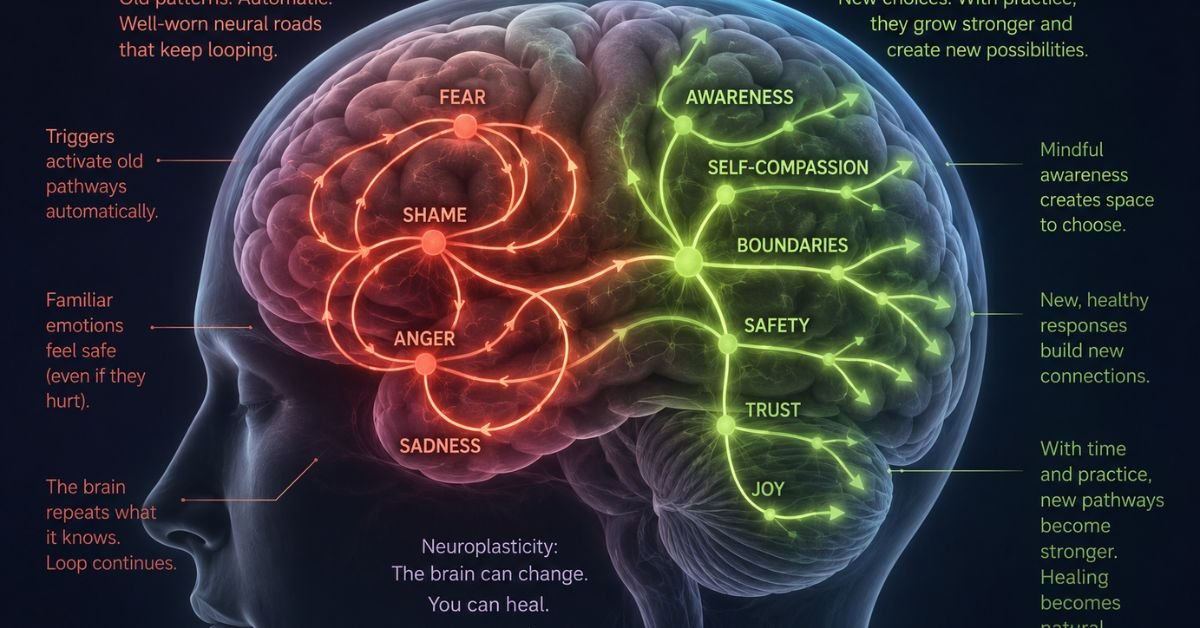
When people know what to expect from their partner, their nervous system relaxes. Emotional Safety and Trust: The Foundation of a Healthy Marriage
The brain gradually learns:
“I’m emotionally safe here.”
This reduces stress hormones while increasing feelings of connection.
Trust also strengthens attachment security.
Instead of constantly worrying about abandonment, partners begin believing:
“My spouse is emotionally available.”
This belief changes communication patterns dramatically.
The Role of Vulnerability
Many people think vulnerability means weakness.
Psychological research shows the opposite.
Vulnerability creates intimacy.
Examples include saying:
- “I felt hurt today.”
- “I’m worried about our finances.”
- “I need your support.”
- “I was wrong.”
- “I’m scared.”
These conversations require courage.Part 2: Emotional Safety and Trust in a Healthy Marriage
When the receiving partner responds with empathy instead of criticism, emotional intimacy deepens.
H2: Everyday Decisions That Build Trust
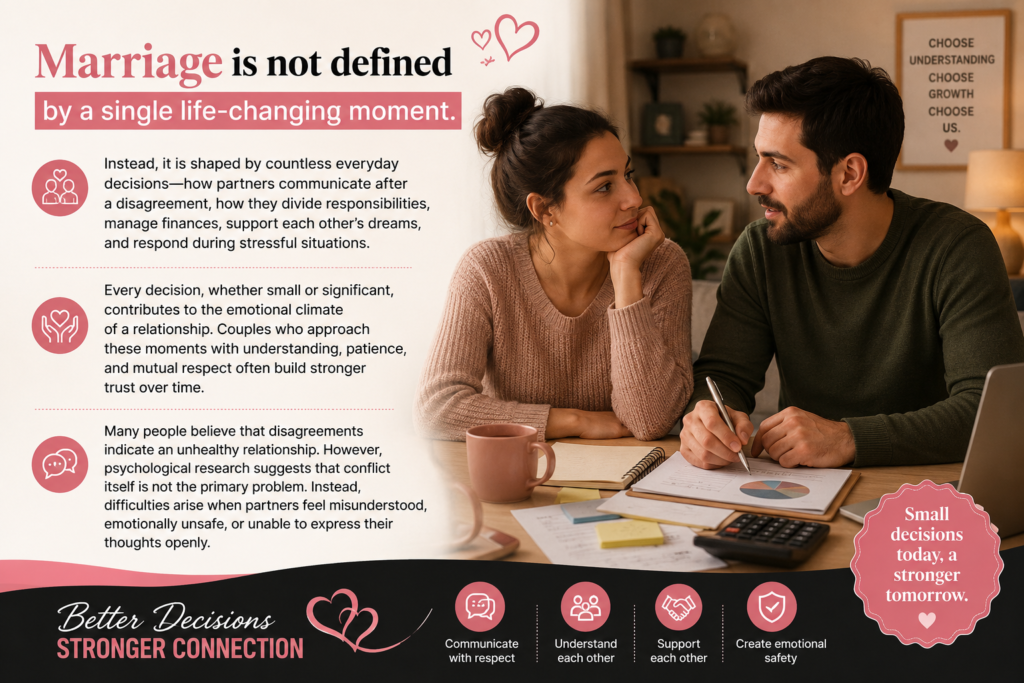
Healthy marriages grow stronger because partners intentionally make small relationship-supportive decisions every day.
These include:
Choosing honesty
Honesty prevents emotional distance from growing.
Choosing patience
Responding calmly rather than impulsively prevents unnecessary conflict.
Choosing curiosity
Instead of assuming motives, emotionally healthy couples ask questions.
Example:
“I noticed you seemed quiet today. Is something bothering you?”
Curiosity replaces criticism.
Choosing appreciation
Expressing gratitude increases positive emotional experiences.
Simple statements like:
“Thank you for making dinner.”
“I appreciate everything you do.”
have significant psychological impact over time.
H2: Emotional Bank Accounts
Relationship experts often describe marriages as emotional bank accounts.
Positive interactions become deposits.
Examples include:
- Compliments
- Physical affection
- Listening
- Encouragement
- Shared laughter
- Acts of kindness
Negative interactions become withdrawals.
Examples include:
- Criticism
- Sarcasm
- Stonewalling
- Contempt
- Ignoring emotions
- Broken promises
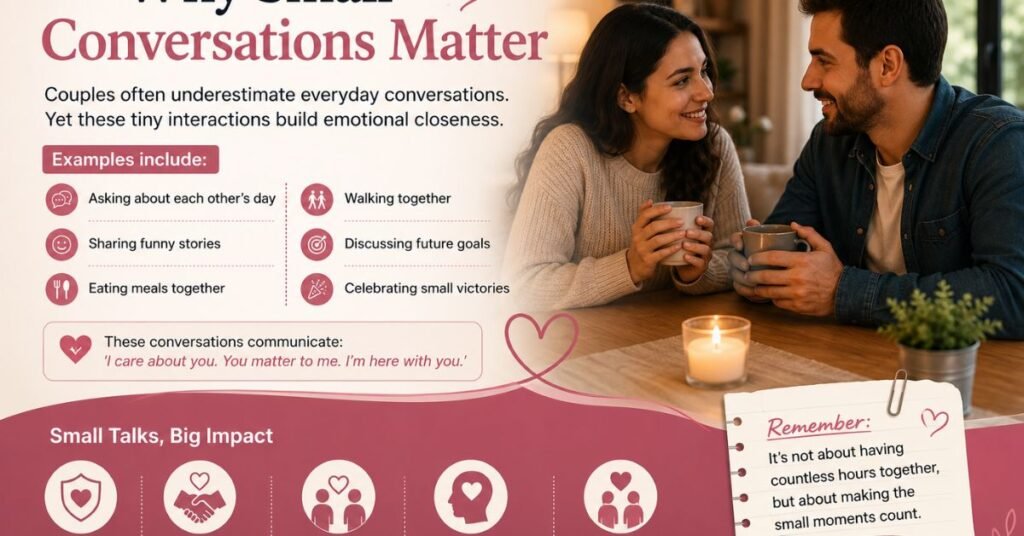
Healthy marriages consistently make more deposits than withdrawalsWhy Small Conversations Matt
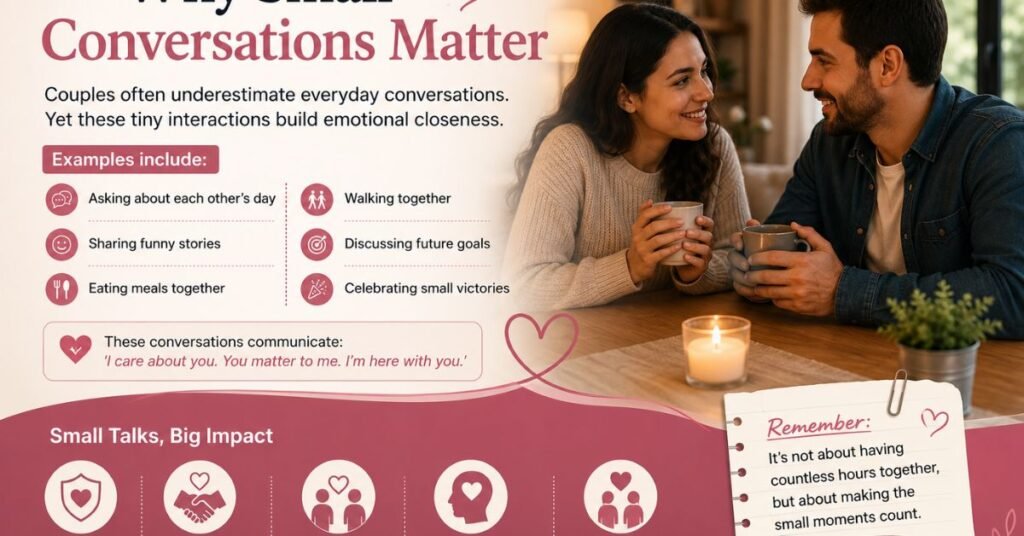
Couples often underestimate everyday conversations.
Yet these tiny interactions build emotional closeness.
Examples include:
- Asking about each other’s day
- Sharing funny stories
- Eating meals together
- Walking together
- Discussing future goals
- Celebrating small victories
These conversations communicate:
“You matter to me.”
Over time, emotional intimacy becomes stronger.
H2: Understanding “Bids for Connection”
One of the most influential discoveries in relationship psychology comes from John Gottman and his decades of observational research on couples.
Gottman introduced the concept of “bids for connection.”
A bid for connection is any attempt—large or small—to seek attention, affection, support, or emotional engagement from a partner.
Examples include:
- “Look at this funny video.”
- “How was your meeting today?”
- A smile across the room.
- Reaching for a hand.
- Asking for advice.
- Sharing exciting news.
- Mentioning feeling tired.
- Inviting a spouse to take a walk.
Every bid creates a choice.
A partner can:
- Turn toward the bid.
- Turn away from it.
- Turn against it.
Research found that couples in stable, happy marriages turned toward each other’s bids far more frequently than distressed couples. Responding positively to these everyday moments helps strengthen trust, friendship, and long-term relationship satisfaction.
H2: How to Turn Toward Your Partner
Turning toward does not require dramatic gestures.
Simple responses include:
- Making eye contact.
- Smiling.
- Putting the phone down.
- Asking follow-up questions.
- Offering encouragement.
- Giving a hug.
- Listening attentively.
These responses signal:
“I’m here.”
Repeated consistently, they create emotional security.
H2: Research from the American Psychological Association
Research summarized by the American Psychological Association highlights that effective communication is one of the strongest predictors of healthy relationships.
Constructive communication typically includes:
- Active listening
- Emotional validation
- Respectful disagreement
- Empathy
- Collaborative problem-solving
In contrast, communication patterns marked by contempt, defensiveness, chronic criticism, or avoidance are associated with lower relationship satisfaction and greater instability.
Healthy communication is not about winning arguments.
It is about preserving emotional connection while solving problems together.
Communication Habits That Strengthen Trust
Couples can improve trust by practicing simple habits every day.
Listen to understand
Avoid planning your response while your partner is speaking.
Validate emotions
Validation does not always mean agreement.
You can say:
“I understand why you feel that way.”
Speak respectfully
Replace blame with ownership.
Instead of:
“You never listen.”
Try:
“I feel unheard when we’re interrupted.”
Stay curious
Ask questions before making assumptions.
Repair quickly
After conflict, acknowledge hurt feelings and reconnect instead of letting resentment build.
The Connection Between Emotional Safety and Mental Health
A healthy marriage supports emotional well-being.
When partners consistently experience emotional safety, they often report:
- Lower stress levels
- Greater resilience
- Reduced anxiety
- Improved emotional regulation
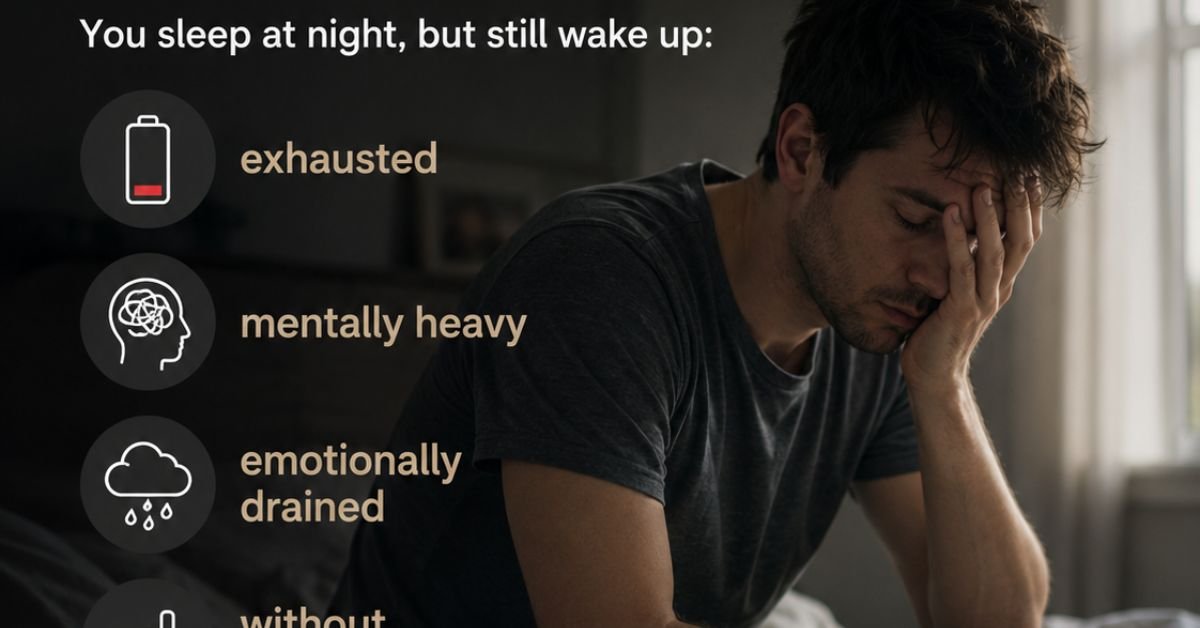
- Better sleep quality
- Increased life satisfaction
Feeling emotionally supported also makes it easier to cope with external stressors such as work demands, parenting, financial pressures, or illness.
Practical Exercise: Daily Emotional Check-In
Set aside 10–15 minutes each day for an uninterrupted conversation.
Each partner answers these questions:
- What went well today?
- What challenged you today?
- How are you feeling emotionally?
- How can I support you tomorrow?
During the exercise:
- Listen without interrupting.
- Avoid offering immediate solutions unless requested.
- Express appreciation before ending the conversation.
This simple habit reinforces emotional safety and strengthens trust over time.
Key Takeaways
Emotional safety and trust are not created overnight. They emerge through consistent, everyday choices—listening with empathy, responding to bids for connection, honoring commitments, and repairing misunderstandings with respect. A healthy marriage is built not on perfection but on reliability, openness, and the willingness to turn toward each other, especially during ordinary moments.
Research-Backed References
- The Seven Principles for Making Marriage Work.
- The Gottman Institute. Research on bids for connection, emotional attunement, and relationship stability.
- American Psychological Association. Resources on healthy relationships, communication, and emotional well-being.
- National Institute of Mental Health. Information on stress, emotional regulation, and mental health.
- Centers for Disease Control and Prevention. Healthy relationship and family well-being resources.
- SEO metadata
- Introduction
- What Is a Healthy Marriage?
- Why Marriage Is Built Through Everyday Decisions
- The Psychology Behind Daily Choices
- Emotional Safety and Trust
- Research from Gottman and the APA on communication and “bids for connection.”
CBT Strategies for Couples: Strengthening a Healthy Marriage
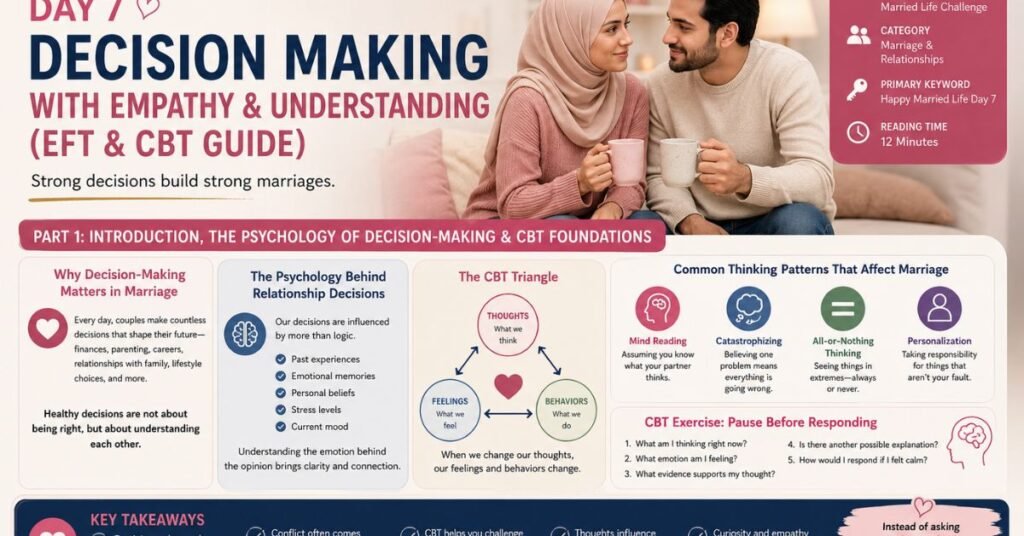
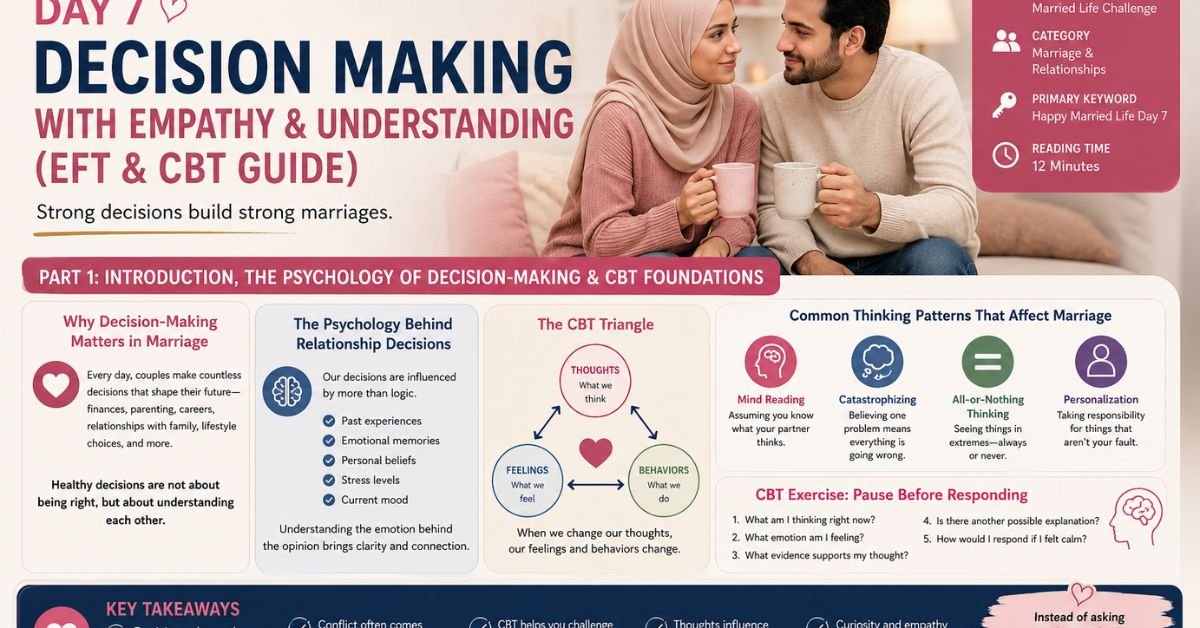
A healthy marriage is not about thinking alike all the time. Instead, it involves learning how to understand each other’s perspectives while working together to solve problems. Cognitive Behavioral Therapy (CBT) helps couples recognize how their thoughts, emotions, and behaviors influence relationship satisfaction.
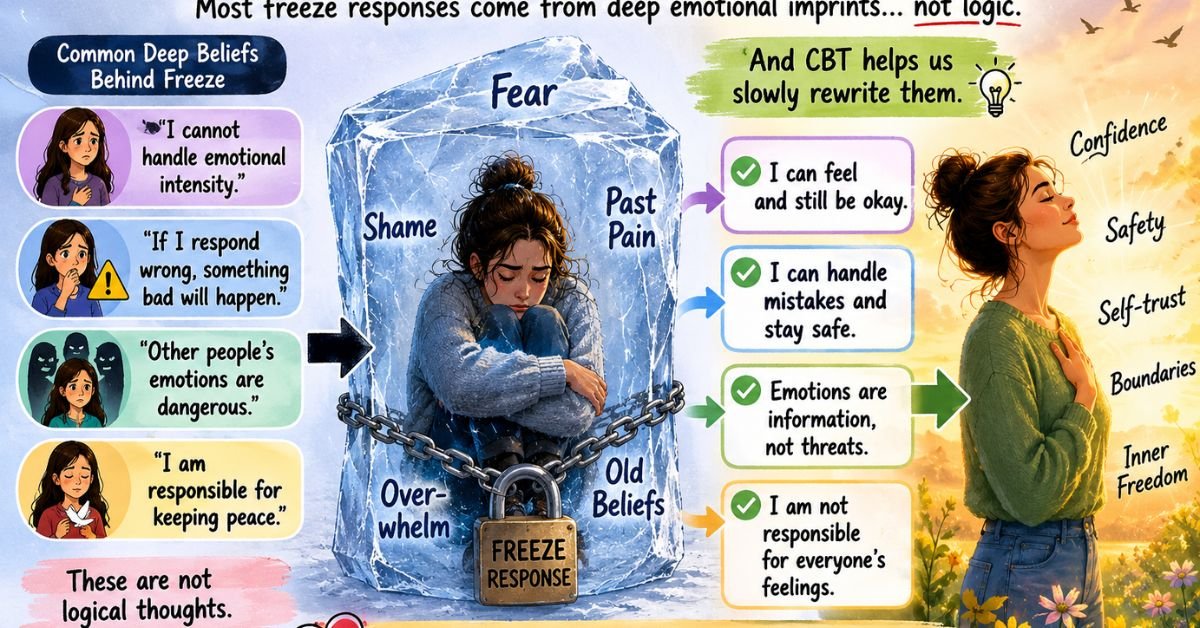
Rather than assuming negative intentions, CBT encourages partners to examine evidence, challenge cognitive distortions, and communicate more effectively.
1. Identify Negative Thought Patterns
Many relationship conflicts begin with automatic thoughts rather than facts.
For example:
Automatic Thought:
“My partner ignored my message because they don’t care about me.”
Alternative Thought:
“They may simply be busy at work. I’ll ask before making assumptions.”
Replacing assumptions with curiosity reduces misunderstandings and promotes healthier communication.
2. Practice Cognitive Reframing
Instead of viewing disagreements as threats to the relationship, couples can see them as opportunities to understand each other better.
Replace thoughts like:
- “We always argue.”
- “Nothing ever changes.”
With balanced alternatives:
- “We’re learning different communication skills.”
- “We have solved problems before.”
Research suggests that cognitive restructuring can reduce emotional distress and improve relationship functioning.
3. Improve Emotional Awareness
Before responding during conflict, ask yourself:
- What am I feeling?
- What triggered this emotion?
- What do I actually need right now?
Naming emotions often reduces their intensity and makes conversations more productive.
4. Schedule Weekly Relationship Check-Ins
Set aside 20–30 minutes each week to discuss:
- Appreciations
- Challenges
- Household responsibilities
- Financial concerns
- Family planning
- Upcoming goals
Regular check-ins prevent small frustrations from becoming larger problems.
Conflict Resolution Techniques
Conflict is a normal part of every relationship. What predicts relationship satisfaction is not the absence of conflict but how couples manage and repair it.
Stay Calm Before Responding
Strong emotions can impair clear thinking. If emotions become overwhelming, agree to pause the conversation and return to it later when both partners feel calmer.
Use “I” Statements
Instead of saying:
“You never listen.”
Try:
“I feel unheard when I’m interrupted.”
This reduces defensiveness and keeps the focus on the issue rather than personal attacks.
Listen to Understand
Active listening involves:
- Maintaining eye contact
- Avoiding interruptions
- Reflecting back what your partner said
- Asking clarifying questions
Feeling understood is often more important than immediately finding a solution.
Focus on One Issue at a Time
Avoid bringing up unrelated past conflicts. Address the current concern before moving to another topic.
Repair After Conflict
Healthy couples repair emotional disconnection by:
- Offering a sincere apology
- Expressing empathy
- Using humor appropriately
- Showing physical affection if both partners are comfortable
- Agreeing on practical next steps
Relationship researcher Dr. John Gottman describes repair attempts as one of the strongest predictors of long-term relationship stability.
Shared Responsibilities and Financial Decisions
Money and household responsibilities are common sources of marital stress, but they can also become opportunities for teamwork.
Discuss Financial Goals
Partners should openly discuss:
- Monthly budgets
- Savings goals
- Debt repayment
- Emergency funds
- Retirement planning
Transparency helps build trust and reduces misunderstandings.
Divide Household Responsibilities Fairly
Rather than assuming traditional roles, discuss:
- Cooking
- Cleaning
- Childcare
- Grocery shopping
- Bills
- Home maintenance
A fair division of responsibilities helps prevent resentment.
Make Important Decisions Together
Whenever possible, discuss major decisions involving:
- Career changes
- Relocation
- Large purchases
- Parenting approaches
- Family obligations
Collaborative decision-making reinforces partnership and mutual respect
Supporting Each Other’s Goals
Healthy marriages allow both partners to grow as individuals while strengthening the relationship.
Support may include:
- Encouraging career development
- Celebrating personal achievements
- Respecting hobbies and interests
- Providing emotional encouragement during setbacks
- Helping one another achieve long-term dreams
Research suggests that responsive support from a partner is associated with greater relationship satisfaction and personal well-being.
Daily Relationship Habits That Build Trust
Healthy marriages are strengthened through consistent daily behaviors rather than occasional grand gestures.
Consider making these habits part of your routine:
- Say “thank you” regularly.
- Express appreciation every day.
- Share at least one meal together when possible.
- Spend a few minutes talking without distractions.
- Hug or show affection daily if both partners are comfortable.
- Ask, “How can I support you today?”
- Celebrate small successes.
- Apologize sincerely when needed.
- Practice forgiveness.
- End the day with a positive conversation.
These small actions reinforce emotional safety and strengthen connection over time.
Frequently Asked Questions (FAQ)
What is a healthy marriage?
A healthy marriage is characterized by mutual respect, emotional safety, effective communication, trust, and a willingness to work through challenges together.
Can CBT help couples?
Yes. CBT helps couples identify unhelpful thinking patterns, improve communication, regulate emotions, and develop healthier responses to conflict.
Is conflict normal in marriage?
Yes. Disagreements are a normal part of close relationships. Research indicates that the quality of conflict management—not the absence of conflict—is more closely associated with relationship satisfaction.
How can couples improve communication
Effective communication includes active listening, expressing emotions respectfully, validating each other’s experiences, and discussing concerns before resentment builds.
Why are small daily interactions important
Everyday conversations, expressions of appreciation, and supportive behaviors strengthen trust, emotional intimacy, and relationship satisfaction over time.
How often should couples discuss finances?
Regular financial discussions—such as monthly budget meetings or weekly check-ins—can reduce misunderstandings and support shared goals.
Conclusion
A healthy marriage is built through thousands of everyday choices rather than a few extraordinary moments. Each conversation, thoughtful gesture, apology, and act of support contributes to the emotional climate of a relationship. Psychological research consistently shows that trust grows through repeated positive interactions, emotional responsiveness, and constructive conflict resolution.
Cognitive Behavioral Therapy (CBT) provides practical tools that help couples recognize unhelpful thinking patterns, communicate more effectively, and solve problems collaboratively. Combined with empathy, mutual respect, and shared decision-making, these strategies can strengthen emotional intimacy and resilience.
Perfection is not the goal of a healthy marriage. Instead, lasting relationships are created when partners repeatedly choose understanding, kindness, honesty, and connection in everyday life.
References (APA 7th Edition)
- American Psychological Association. (2023). Healthy relationships. https://www.apa.org/topics/relationships
- Beck, J. S. (2021). Cognitive Behavior Therapy: Basics and Beyond (3rd ed.). Guilford Press.
- Baucom, D. H., Epstein, N. B., LaTaillade, J. J., & Kirby, J. S. (2008). Cognitive-behavioral couple therapy. Clinical Handbook of Couple Therapy.
- Dattilio, F. M. (2010). Cognitive-Behavioral Therapy with Couples and Families. Guilford Press.
- Epstein, N. B., & Baucom, D. H. (2002). Enhanced Cognitive-Behavioral Therapy for Couples. American Psychological Association.
- Gottman, J. M., & Silver, N. (2015). The Seven Principles for Making Marriage Work. Harmony Books.
- Gottman, J. M. (1999). The Marriage Clinic. W. W. Norton.
- Gottman Institute. Trust in relationships is built in everyday conversations. https://www.gottman.com/blog/trust-relationships-built-broken-everyday-conversation/
- Gottman Institute. The deeper meaning of trust. https://www.gottman.com/blog/the-deeper-meaning-of-trust/
- Gottman Institute. Relationship healing and trust. https://www.gottman.com/relationship-healing-trust/
- Overall, N. C., Fletcher, G. J. O., & Simpson, J. A. (2010). Helping each other grow. Personality and Social Psychology Review, 14(2), 140–155.
- Karney, B. R., & Bradbury, T. N. (1995). The longitudinal course of marital quality and stability. Psychological Bulletin, 118(1), 3–34.
- Bodenmann, G. (2005). Dyadic coping and relationship functioning. European Review of Applied Psychology, 55(2), 97–105.
- National Institute of Mental Health. https://www.nimh.nih.gov
- PubMed. Cognitive Behavioral Couple Therapy research collection. https://pubmed.ncbi.nlm.nih.gov/?term=cognitive+behavioral+couple+therapy
- World Health Organization. Mental health and well-being. https://www.who.int/health-topics/mental-health
- Stanley, S. M., & Markman, H. J. (2020). Helping couples strengthen commitment and communication. Family Process, 59(3), 774–789.
- Christensen, A., Doss, B. D., & Jacobson, N. S. (2020). Reconcilable Differences (2nd ed.). Guilford Press.
- Snyder, D. K., Castellani, A. M., & Whisman, M. A. (2006). Current status and future directions in couple therapy. Annual Review of Psychology, 57, 317–344.
- National Library of Medicine. Relationship and mental health research. https://pubmed.ncbi.nlm.nih.gov/
read
Latest
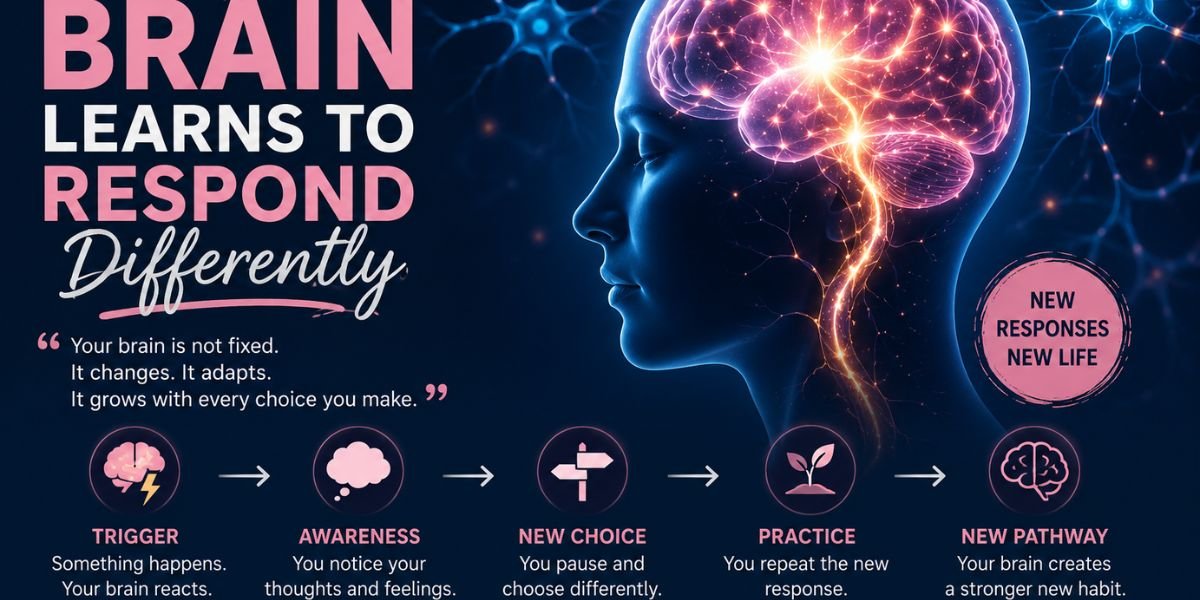

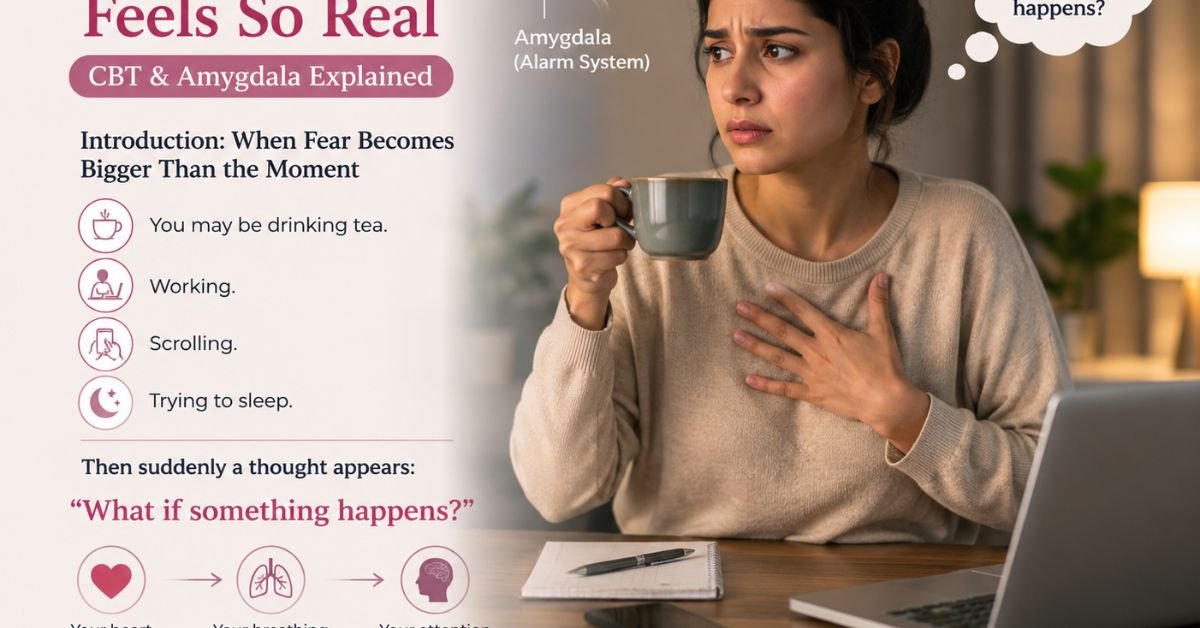
Silva Method Mental Programming Techniques: Practical Guide for Your CBT + Happy Married Life JourneyThe Silva Method, developed by José Silva, is a structured system that uses deep relaxation (primarily the Alpha brainwave state, 8–13 Hz) to access the subconscious mind for positive reprogramming. It combines relaxation, visualization, and mental programming to bridge thoughts and actions — perfectly complementing CBT by turning awareness into automatic new behaviors.
nightingale.comCore Principles of Silva Mental Programming
- Alpha State: A relaxed but aware state (like light meditation) where the mind is highly receptive to new suggestions. In Alpha, resistance drops and new patterns install more easily.
- DBE Formula: Desire (strong want) + Belief (it’s possible) + Expectation (it will happen).
- Mental Screen: A visualization tool (like a big movie screen in your mind, slightly above eye level) where you project images.
- End Result Focus: Visualize the desired outcome as already achieved (not the “how”), with vivid details and positive emotion.
Key Mental Programming TechniquesHere are the most useful ones for relationships and behavioral change:
- Mental Screen Technique (Core Visualization Tool)
- Enter Alpha (see steps below).
- Imagine a large screen ~6 feet in front of you, slightly above eye level.
- Project the current problem/situation on the screen (briefly).
- Then replace it with the desired positive outcome in vivid detail (see yourself and your partner calm, connected, using repair attempts successfully, feeling safe and loved).
- Add senses: colors, sounds, feelings, smiles. Feel the positive emotions strongly.
- End with gratitude or an affirmation like “This or something better is now manifesting.” nightingale.com
- Mirror of the Mind Technique (Great for Problem-Solving & Healing)
- In Alpha, visualize a full-length mirror on your mental screen.
- First, see the current issue clearly (e.g., tension during disagreements).
- Mentally move the mirror aside.
- Bring a new mirror/image showing the situation resolved (you both communicating with empathy, repairing easily, feeling close).
- This helps release old patterns and install new ones. thesilvamethod.co.uk
- Three Scenes Technique (Advanced Behavioral Reprogramming)
- Scene 1: Exaggerated current problem (humorous or clear).
- Scene 2: You actively taking positive action (e.g., pausing, using “I” statements, offering a repair).
- Scene 3: The successful end result (happy, connected marriage).
- Run through the three scenes in Alpha. This creates a mental blueprint for change. thrivebymichaelhofer.com
- Three Fingers Technique (Quick Anchor/Trigger)
- In Alpha, join thumb + index + middle finger.
- Affirm that whenever you do this, you instantly access calm focus and positive programming.
- Use it during the day (e.g., before a conversation) for instant calm and recall of your new behaviors.
- Glass of Water Technique (For Specific Goals/Problems)
- Before sleep, hold a glass of water, enter light Alpha, and program your intention (e.g., “This water helps me respond with patience and create safety”).
- Drink half while affirming. In the morning, drink the rest while visualizing the solution.
How to Enter Alpha State (Basic Silva Method)
- Sit or lie comfortably, eyes closed, gaze slightly upward.
- Take deep breaths.
- Use countdown: Breathe out saying “3…3…3” (physical relaxation), then “2…2…2” (mental relaxation), then “1…1…1” (deeper Alpha).
- For deepening: Count backward from 10 to 1 or 25 to 1.
- Practice daily — it gets faster and deeper.
Exit: Count up from 1 to 5, affirming you feel alert and better.Application to Happy Married Life (CBT + Silva)
- For Repair Attempts & Emotional Safety: Visualize successful repairs and your partner responding positively. Program affirmations like “I easily offer and accept repairs; we feel safe and close.”
- Behavioral Change: Use the Three Scenes or Mirror technique on patterns like defensiveness or withdrawal. Rehearse new responses daily.
- Daily Routine: Morning Alpha + programming (5–15 min) + evening reinforcement. Combine with CBT journaling (evidence for new thoughts).
- Relationships Boost: Visualize harmonious interactions, use Subjective Communication (mentally “talk” positively to your partner in Alpha), or program mutual understanding.
Tips for Best Results
- Be consistent (daily practice compounds fast).
- Use positive, present-tense language and strong positive emotion.
- Always program for the highest good (beneficial to all).
- Track real-world changes in a journal to reinforce belief.
These techniques give you a powerful “mental workshop” to reprogram habits, reduce reactivity, and strengthen your marriage. They align beautifully with the healoracbt.com approach and your Day 8 plan.Would you like a full scripted 10–15 minute session for marriage/repair attempts, integration into a specific day, or focus on one technique (e.g., Mirror of the Mind for conflict)? Let me know how to tailor it further!






Leave a Reply