

- When Life Feels Too Heavy to Respond
- What Are Limiting Beliefs? (khushbakht ask question for every audience)
- Why Some People Freeze When Others Are in Pain
- CBT Understanding: Thoughts Shape Emotional Survival
- The Hidden Core Beliefs Behind Freeze Response
- Step 1: CBT Technique Naming the Survival Thought
- Challenging the Limiting Belief
- Understanding Emotional Responsibility Patterns
- NLP Reframing Technique: Changing the Meaning of Experience
- EFT Tapping for Freeze Release (Emotional Grounding)
- Why Freeze Feels Like “Nothingness”
- Identity Healing: You Are Not Your Survival Response
- Small Daily CBT Practices for Healing
- Why Healing Takes Time (And Why That’s Normal)
- Emotional Truth: You Were Not Lazy or Weak
- Final Conclusion: From Survival to Choice
- HealoraCBT Closing Message
- Small Daily CBT Practices for Healing
When Life Feels Too Heavy to Respond
There are people who don’t shout, don’t fight, and don’t run.
Thank you for reading this post; don't forget to subscribe!
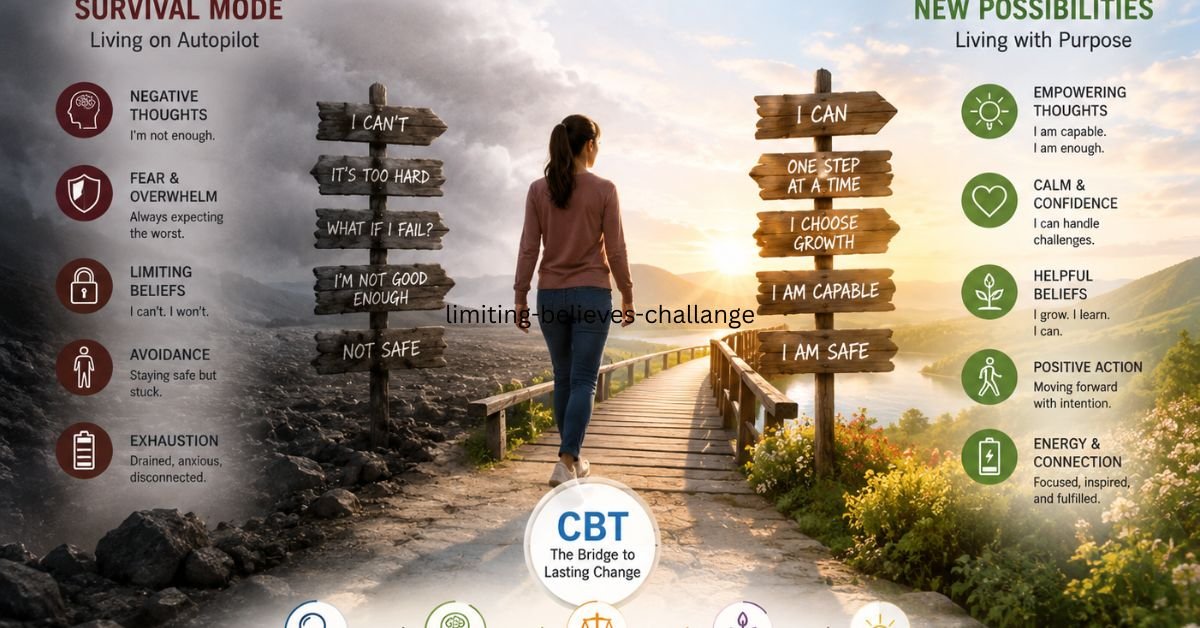
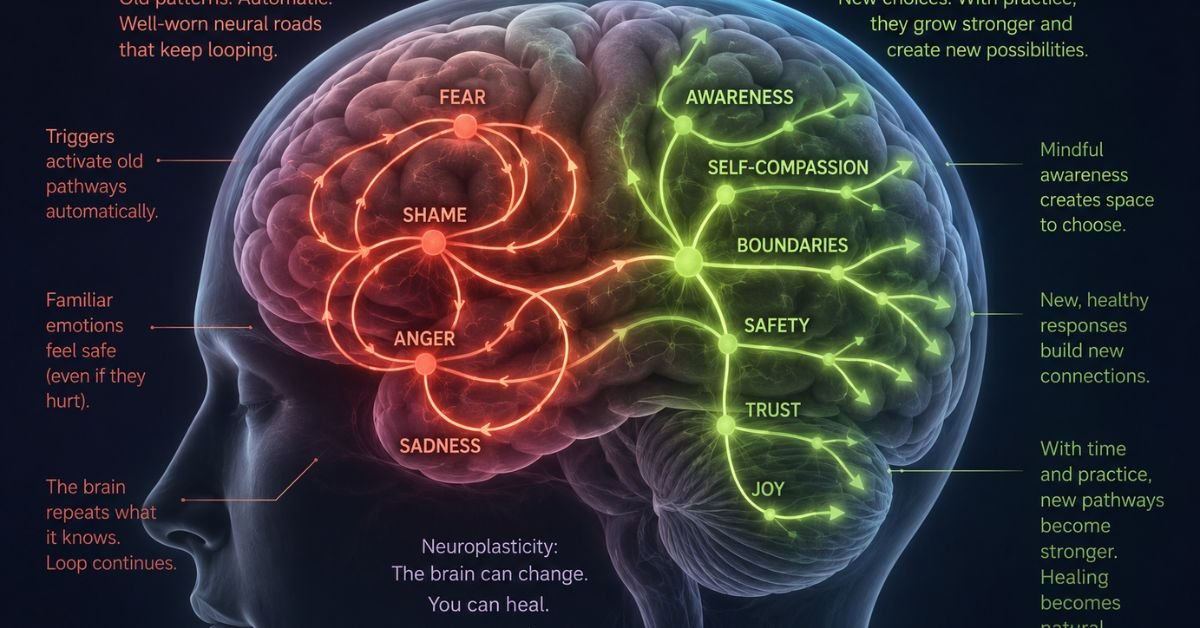
They freeze.From Old Beliefs to New Possibilities:
“When things get emotionally intense, I should disappear inside myself.”
In many families, especially where small problems become big emotional storms, where illness, conflict, or fear is amplified, some individuals learn to survive by shutting down.
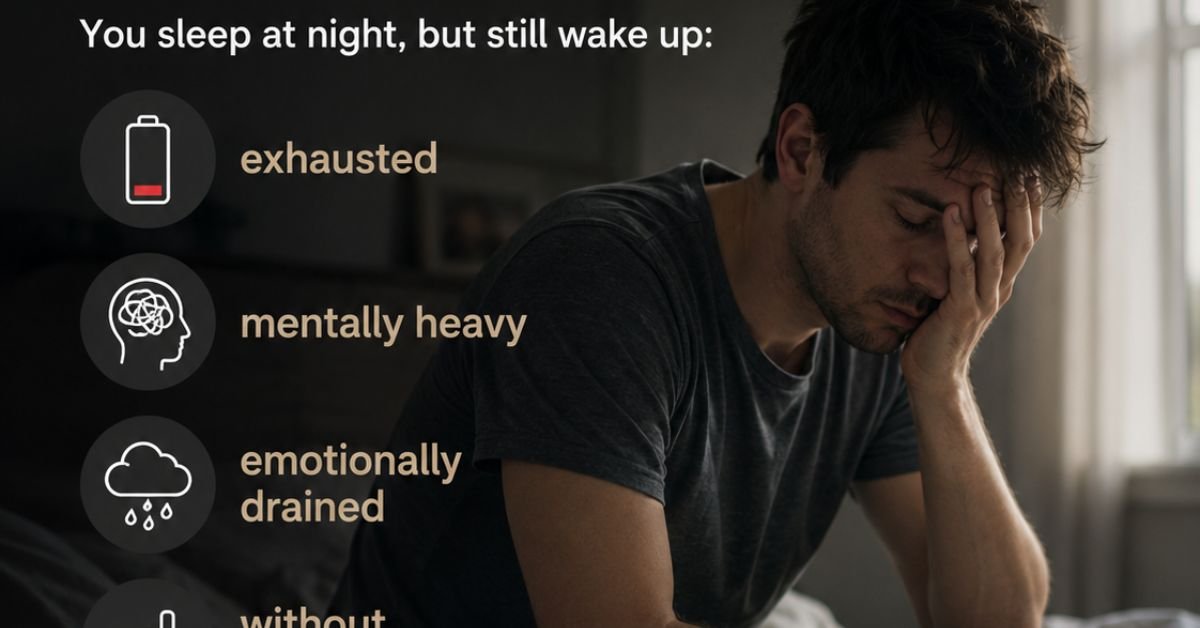
They become the “calm one,” the “quiet one,” the “strong one,” but inside, they are stuck.
This article is for them.
For the person who:
- Feels numb when others are in pain
- Overthinks but cannot act
- Feels responsible for everyone’s emotions
- Disconnects when things become stressful
- Lives in silent emotional exhaustion
This is not your personality.From Old Beliefs to New Possibilities
This is survival mode.
And survival mode can be changed.
What Are Limiting Beliefs? (khushbakht ask question for every audience)
Limiting beliefs are not thoughts you choose.
They are thoughts you absorbed.
They often come from:
- Childhood emotional environments
- Family reactions to stress or illness
- Repeated criticism or fear-based communication
- Situations where emotions were unsafe or overwhelming
Examples:
- “I must not make mistakes.”
- “If someone is upset, it is my responsibility.”
- “It is safer to stay quiet.”
- “If I feel too much, I will lose control.”
Over time, these beliefs stop sounding like beliefs.From Old Beliefs to New Possibilities
They start feeling like the truth.
CBT helps us do something powerful:
Separate what is learned from what is real.
Why Some People Freeze When Others Are in Pain
The freeze response is not emotional weakness.
It is a biological survival reaction.
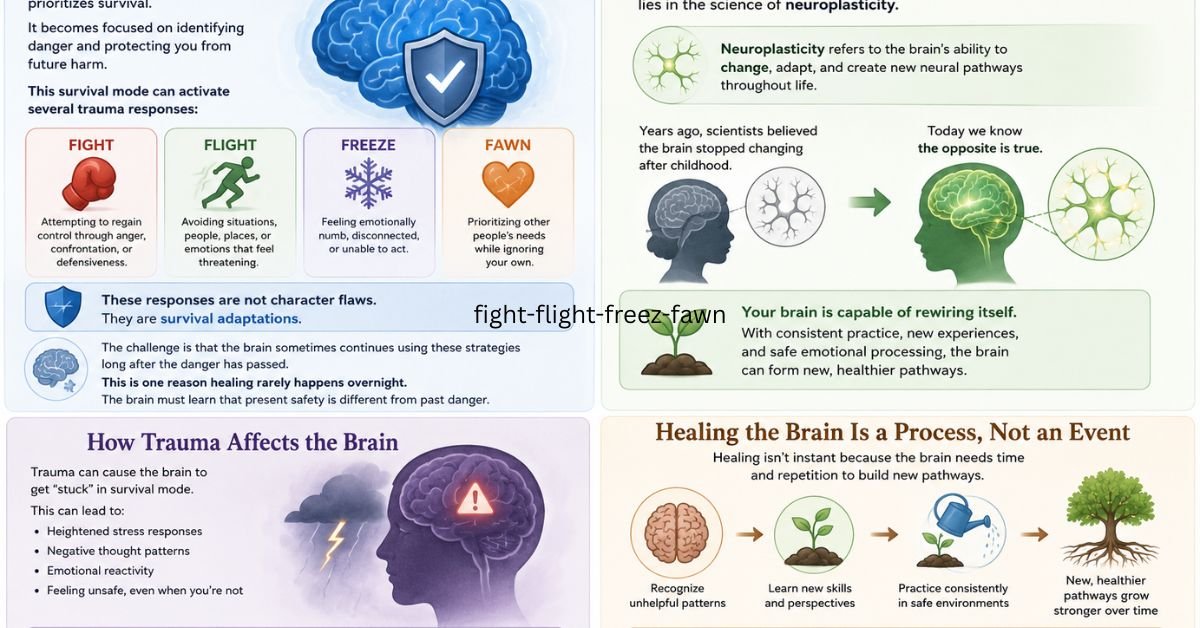
When the brain senses emotional overload, it may choose:
- Fight → Control or anger
- Flight → Escape or avoidance
- Freeze → Shutdown, numbness, dissociation
- Fawn → People-pleasing for safety
Freeze happens when:
- Emotions feel too intense
- There is no clear escape
- The brain predicts emotional danger
- Past experiences were overwhelming
In families where:
- illness creates panic
- small mistakes become big emotional reactions
- conflict escalates quickly
- emotional expression is unpredictable
The nervous system learns:
“The safest response is to shut down.”
CBT Understanding: Thoughts Shape Emotional Survival
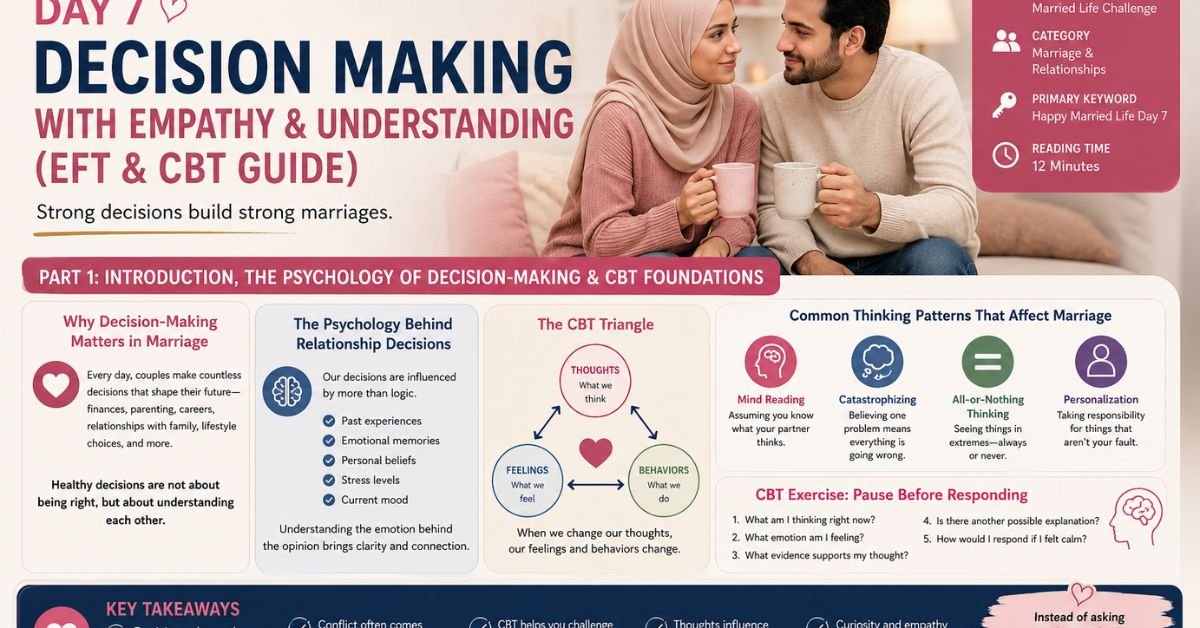
CBT (Cognitive Behavioral Therapy) teaches a simple but life-changing idea:
Your thoughts → affect your emotions → affect your behavior
But in survival mode, this loop becomes automatic:
Trigger“Something is wrong” Freeze Shutdown Guilt More fear
CBT helps interrupt this cycle.
Not by forcing positivity.
But by questioning the belief behind the reaction.
The Hidden Core Beliefs Behind Freeze Response
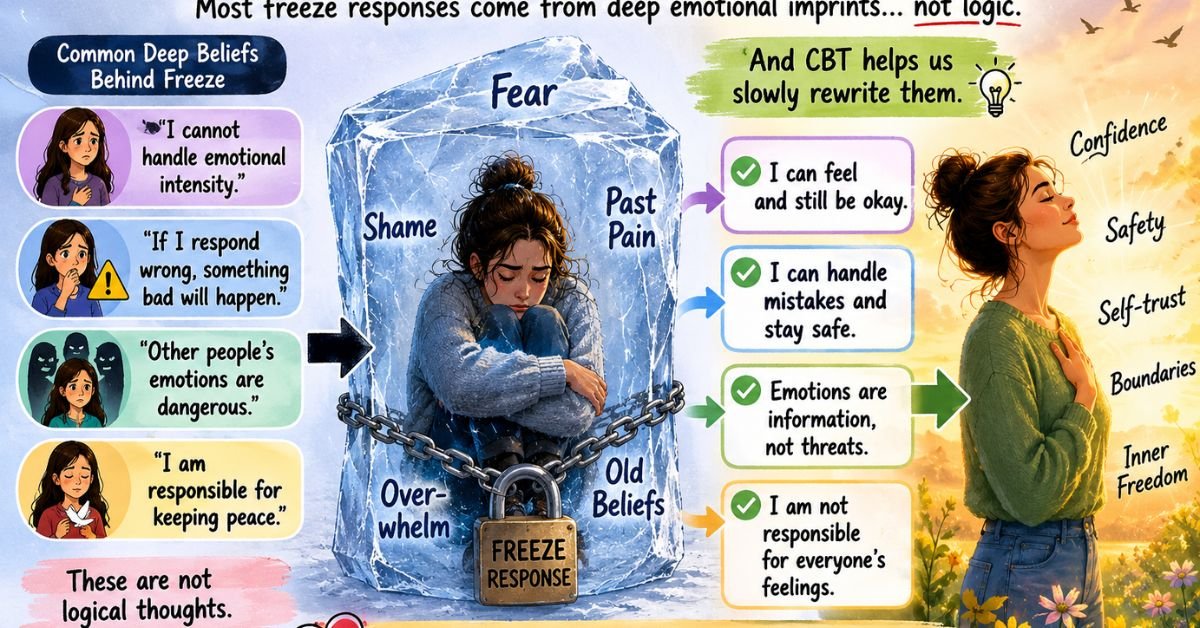
Most freeze responses come from deeper identity-level beliefs like:
- “I cannot handle emotional intensity.”
- “If I respond wrong, something bad will happen.”
- “Other people’s emotions are dangerous.”
- “I am responsible for keeping peace.”
These are not logical thoughts.
They are emotional imprints.
And CBT helps us slowly rewrite them.
Step 1: CBT Technique Naming the Survival Thought
When you freeze, pause and ask:
- What just triggered me?
- What am I telling myself right now?
- What do I fear will happen if I respond?
Example:
Situation: Someone is crying or in distress
Thought: “I don’t know what to do. If I react wrong, it will get worse.”
CBT Step:
You are not “bad at handling emotions.”
You are having a learned survival thought.
Challenging the Limiting Belief
Now gently question it:
- Is this always true?
- Where did I learn this reaction?
- What evidence supports it—and what doesn’t?
- What would I say to a friend in this state?
Reframe:
Old belief:
“I must know exactly what to do or I am unsafe.”
New possibility:
“I can stay present even if I don’t have perfect answers.”
This is identity-level healing.
Understanding Emotional Responsibility Patterns
Many freeze responders carry hidden emotional burdens:
- Feeling responsible for others’ reactions
- Trying to prevent conflict
- Avoiding saying the “wrong thing”
- Over-monitoring emotional environments
This is not empathy alone.
This is hyper-responsibility formed in survival mode.
CBT helps you realize:
You are responsible for your actions, not other people’s emotions.
NLP Reframing Technique: Changing the Meaning of Experience
NLP focuses on meaning.
Two people can experience the same situation but assign different meanings.
Try this:
Old meaning:
“When someone is upset, I must fix it immediately.”
New meaning:
“When someone is upset, I can stay present without controlling the outcome.”
This shifts:
- panic → presence
- pressure → awareness
- fear → choice
EFT Tapping for Freeze Release (Emotional Grounding)
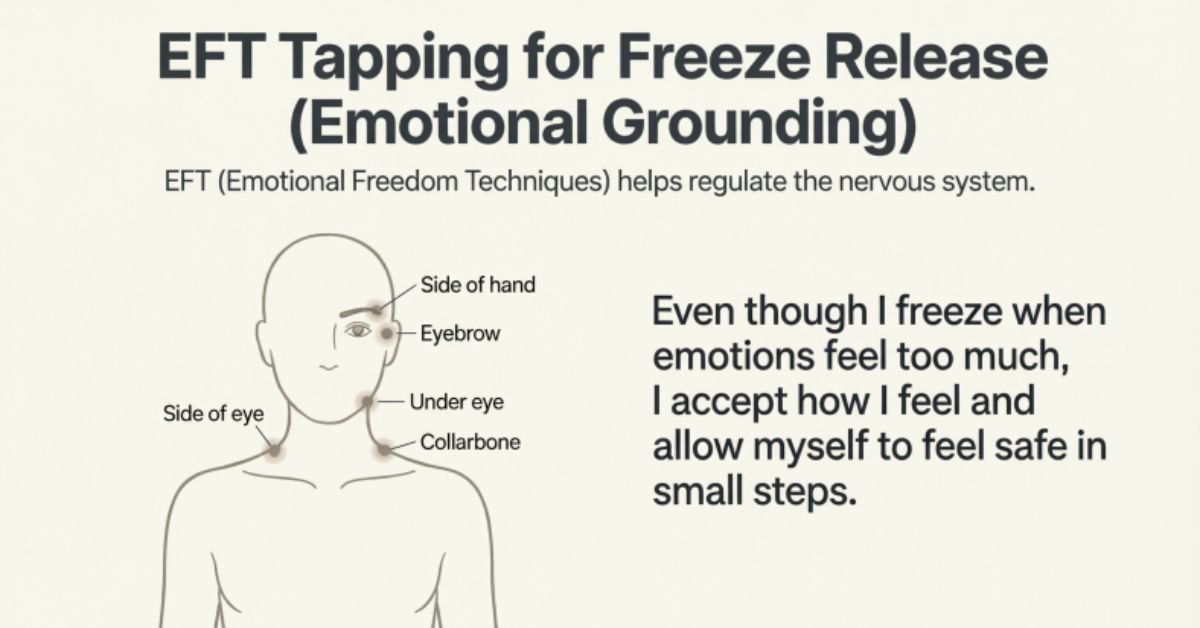
EFT (Emotional Freedom Techniques) helps regulate the nervous system.
Basic setup:
While gently tapping, say:
“Even though I freeze when emotions feel too much, I accept how I feel and allow myself to feel safe in small steps.”
Tap points:
- Side of hand
- Eyebrow
- Side of eye
- Under eye
- Collarbone

Purpose:
- Reduce emotional intensity
- Signal safety to the brain
- Bring awareness back to the body
Why Freeze Feels Like “Nothingness”
People in freeze mode often say:
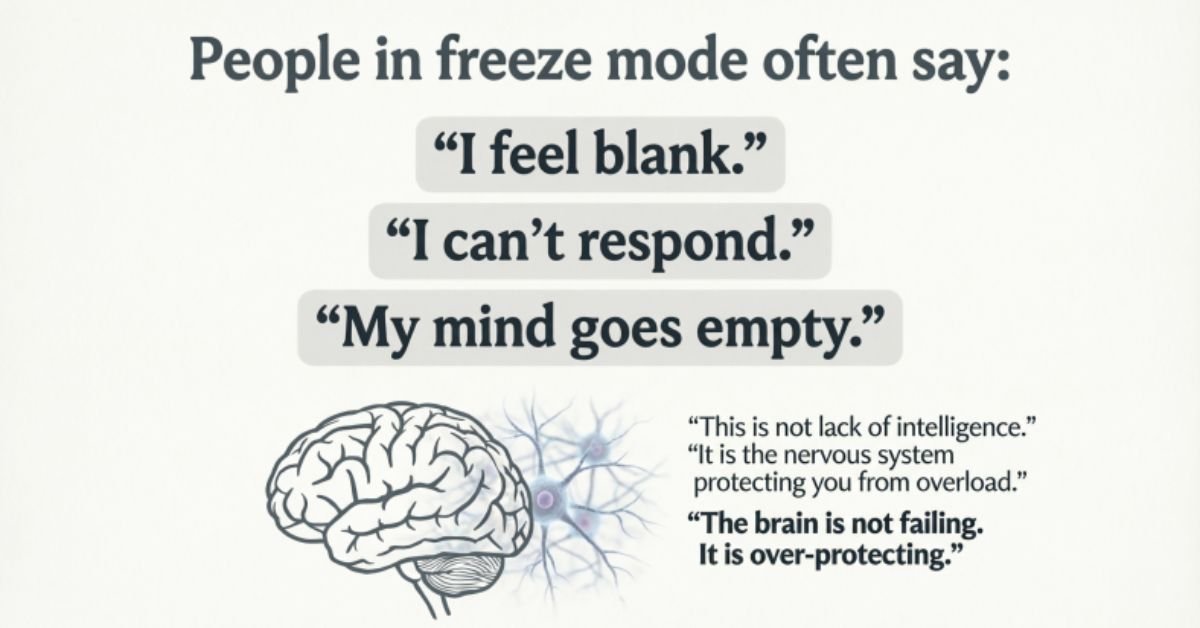
- “I feel blank.”
- “I can’t respond.”
- “My mind goes empty.”
This is not lack of intelligence.
It is the nervous system protecting you from overload.
The brain is not failing.
It is over-protecting.
Identity Healing: You Are Not Your Survival Response
One of the most important CBT shifts is this:
You are not the freeze response.
You are someone who learned to freeze.
That difference changes everything.
Because learned responses can be unlearned.
Small Daily CBT Practices for Healing
1. Label the moment
“I am in freeze response right now.”
2. Ground the body
Feel feet, breathe slowly, notice surroundings.
3. Challenge the thought
“What story am I telling myself?”
4. Replace with balanced belief
“I can stay present without solving everything.”
5. Take one small action
Even a micro-response breaks freeze pattern.
Why Healing Takes Time (And Why That’s Normal)
Freeze response is built over years.
It will not disappear in one insight.
CBT works through:
- repetition
- awareness
- gentle reconditioning
Not pressure.
Not force.
But consistency.
Emotional Truth: You Were Not Lazy or Weak
You were adapting.
You were surviving emotional intensity the only way your nervous system knew how.
Now you are learning something new:
Safety does not always require shutdown.
Final Conclusion: From Survival to Choice
Old beliefs are not walls.
They are survival instructions.
But you are no longer in the same environment where those instructions were created.
CBT does not erase your past.
It helps you update your present.
And slowly, gently, you begin to realize
- You can stay present without freezing
- You can feel without collapsing
- You can witness pain without disappearing
This is not just healing.
This is identity transformation.
From survival mode…
To conscious living.
HealoraCBT Closing Message
You are not stuck in the story you learned.
You are the one who can rewrite it.
And that rewrite begins with one thought:
“Maybe I don’t have to freeze anymore.”
One of the most important CBT shifts is this:
You are not your survival response.
You are someone who learned that response in order to survive.
You are not the freeze response.
You are someone who learned to freeze when life felt overwhelming, unsafe, or too intense to process in the moment.
That difference changes everything.
Because learned responses can be unlearned.
What feels like “this is just how I am” is often just a nervous system pattern that once helped you cope. CBT helps you separate identity from reaction, so you stop turning survival strategies into personality labels.
Instead of:
“I am like this”
CBT gently shifts to:
“I learned this response—and I can learn something new.”
Small Daily CBT Practices for Healing
These practices are simple, but powerful when repeated consistently. The goal is not to force change, but to build awareness and choice.
1. Name the response, not the identity
When triggered, pause and label:
- “This is a freeze response.”
- “This is my nervous system protecting me.”
Not: “I am weak”
But: “My body is protecting me.”
2. Separate fact from fear-thought
Ask:
- What actually happened?
- What story is my mind adding?
Example:
Fact → “Someone didn’t reply.”
Story → “I did something wrong.”
3. Challenge the old belief gently
Most survival responses are tied to beliefs like:
- “I cannot handle this.”
- “Something bad will happen if I react.”
- “I must keep peace at all costs.”
Ask:
- Is this always true?
- Where did I learn this?
- Does this still serve me today?
4. Replace judgment with curiosity
Instead of:
- “Why am I like this?”
Try:
- “What is this response trying to protect?”
Curiosity reduces shame, and shame keeps patterns stuck.
5. Micro-reset your body (30–60 seconds)
Because CBT is not only thinking—it’s awareness in the body:
- Slow exhale breathing
- Press feet into the ground
- Look around and name 3 objects
- Relax jaw and shoulders intentionally
This tells the nervous system: right now is not the past.
6. Create a new sentence (reframe practice)
Every day, write one shift:
Old belief:
“I freeze because I am incapable.”
New belief:
“I freeze because my system learned protection. I am learning safety now.”






Leave a Reply