

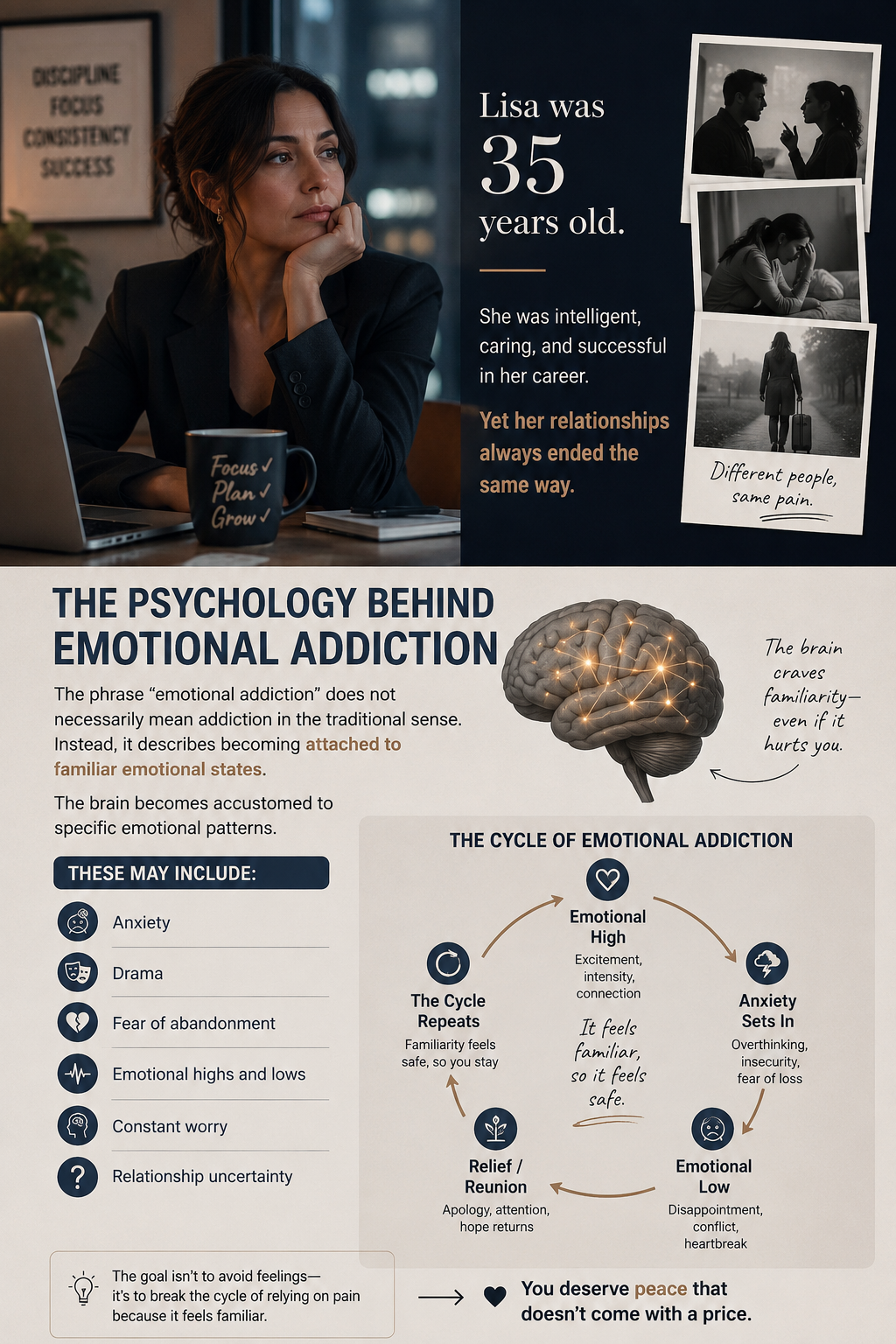
- Who Is Lisa
- What Does It Mean to Be Emotionally Unavailable?
- Childhood Trauma Creates Familiar Emotional Patterns
- The Birth of Anxious Attachment
- Why Uncertainty Feels So Addictive
- Why Healthy Love Can Feel Boring
- The Fear of Uncertainty Beneath the Fear of Abandonment
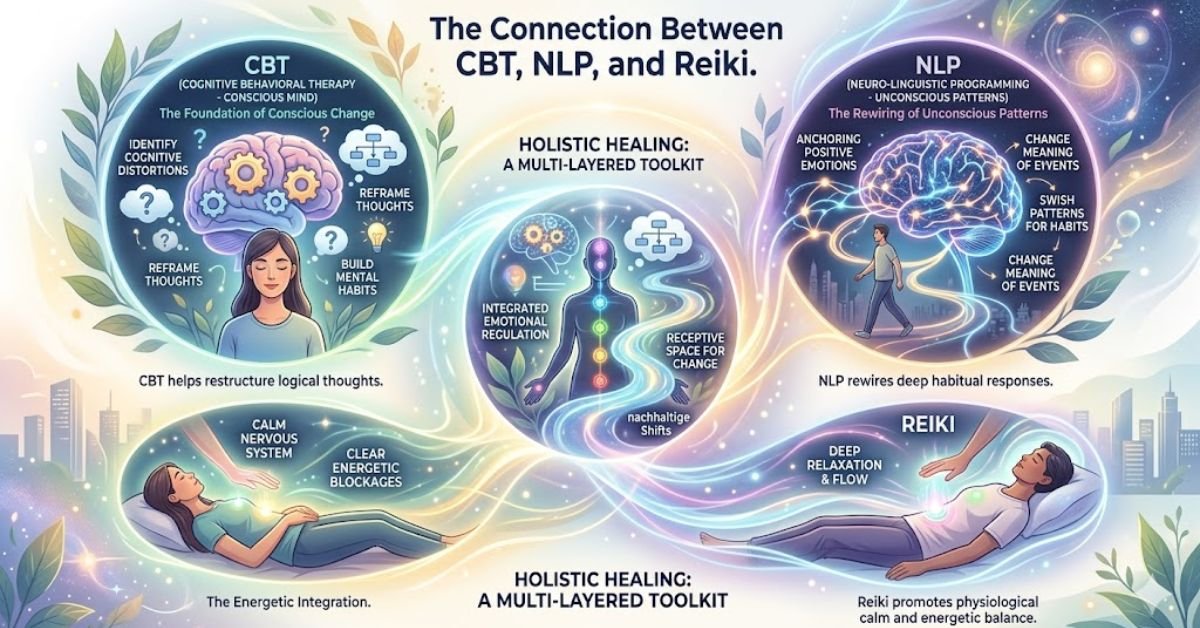
- How CBT Helps Break the Pattern
- How NLP Helps Rewire Emotional Patterns
- How Reiki Supports Emotional Healing
- Learning to Accept Life's Uncertainty
- Signs You May Be Chasing Unavailable People
- Lisa's Transformation
- Conclusion
- FAQs
Who Is Lisa
Lisa was 35 years old.
Thank you for reading this post; don't forget to subscribe!
She was intelligent, caring, and successful in her career. Yet her relationships always seemed to follow the same painful pattern. She repeatedly found herself falling for emotionally unavailable partners people who seemed interested at first but eventually became distant, inconsistent, or unwilling to commit.
Each heartbreak left her asking the same question::Fear of Uncertainty Healing Through CBT, NLP, and Reiki
“Why do I keep choosing people who cannot truly love me back?”
The answer was deeper than she imagined. It wasn’t about bad luck. It wasn’t about a lack of worthiness. It was rooted in childhood trauma, anxious attachment, and a deep fear of uncertainty. Through CBT, NLP, and Reiki healing, Lisa began to understand the hidden psychological patterns that kept drawing her toward unavailable love.
This is the story of why many people chase emotionally unavailable partners and how healing is possible.
What Does It Mean to Be Emotionally Unavailable?
An emotionally unavailable person struggles to create deep emotional intimacy. They may::Fear of Uncertainty Healing Through CBT, NLP, and Reiki
- Avoid commitment
- Pull away when relationships become serious
- Struggle to express feelings
- Send mixed signals
- Fear vulnerability
- Create emotional distance
While emotionally unavailable individuals often have their own unresolved wounds, people with anxious attachment are frequently drawn to them.
The question is why.
Childhood Trauma Creates Familiar Emotional Patterns
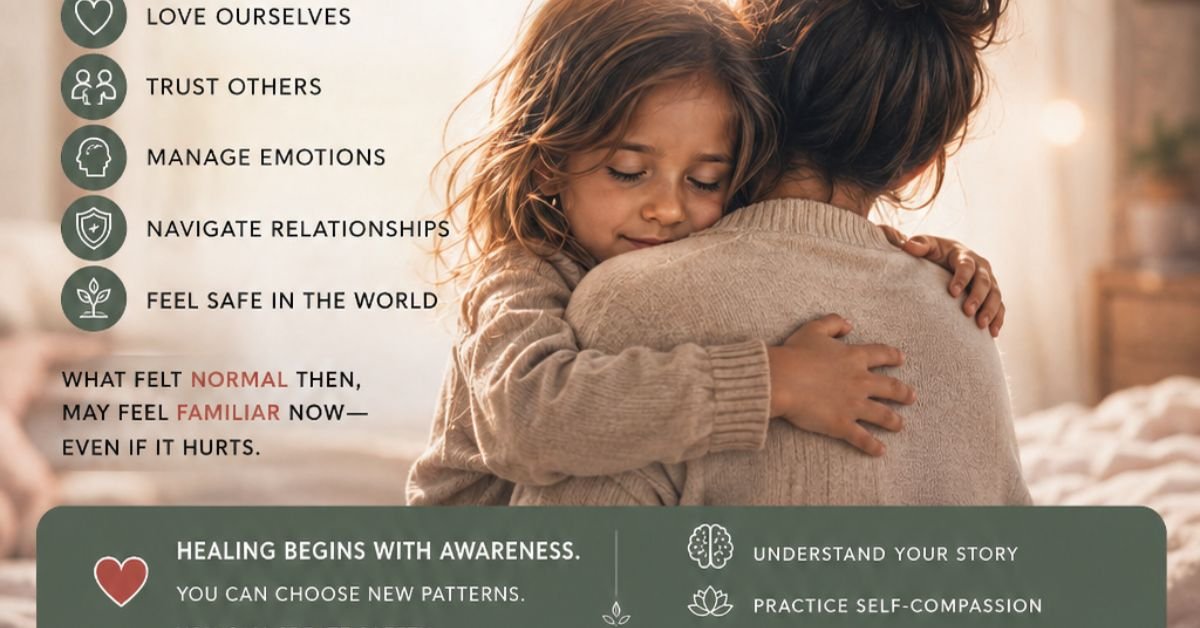
Our earliest relationships teach us what love feels like.
When children grow up in emotionally secure environments, they learn:
- Love is safe
- Needs are respected
- People are reliable
- Emotional connection is consistent
However, childhood trauma often creates a different experience.
Trauma can include::Fear of Uncertainty Healing Through CBT, NLP, and Reiki
- Emotional neglect
- Inconsistent parenting
- Frequent criticism
- Abandonment
- Unpredictable caregiving
- Family conflict
A child raised in uncertainty learns something powerful:
Love becomes associated with unpredictability.

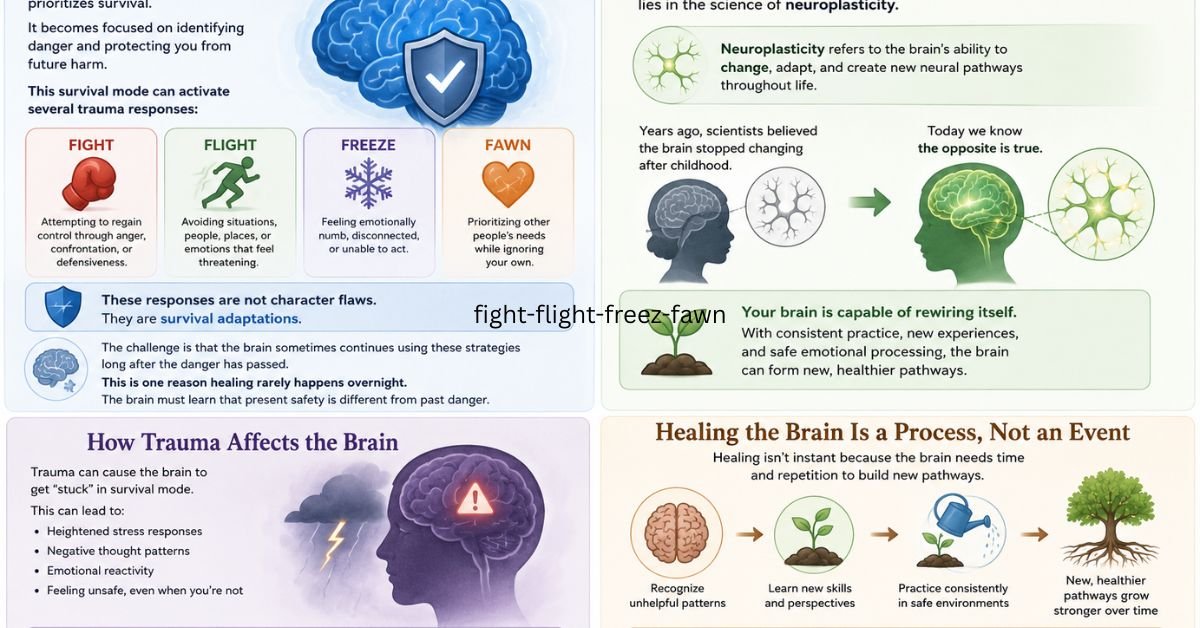
The nervous system adapts to chaos.
As adults, calm relationships may feel unfamiliar, while emotionally unavailable partners feel strangely familiar.
The Birth of Anxious Attachment
Attachment theory explains how early experiences shape adult relationships.
People with anxious attachment often experience:
- Fear of abandonment
- Need for reassurance
- Overthinking relationship signals
- Difficulty trusting stability
- Emotional dependency
- Sensitivity to rejection
As children, they may have received love inconsistently.
Sometimes attention was available.
Sometimes it disappeared.
This inconsistency creates a powerful emotional blueprint.
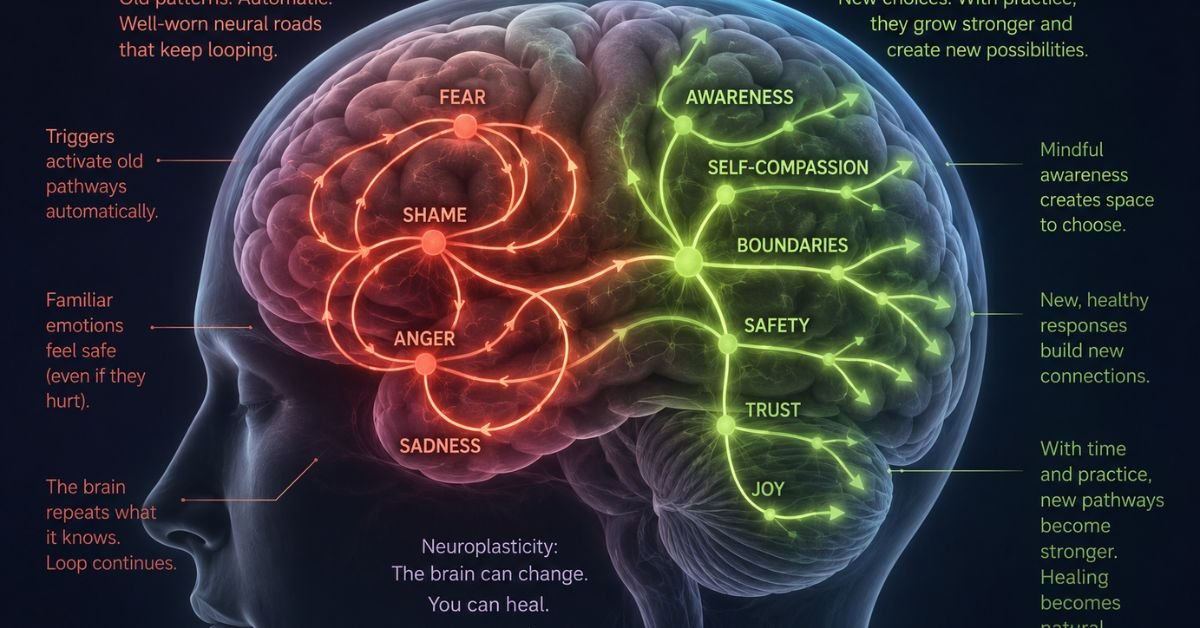
The brain learns:
“I must work hard to earn love.”
Later in life, emotionally unavailable partners activate this same childhood pattern.
Why Uncertainty Feels So Addictive
One of the most surprising psychological discoveries is that uncertainty activates powerful reward systems in the brain.
When affection becomes unpredictable:
- The brain becomes hyperfocused
- Dopamine increases
- Anticipation intensifies
- Emotional highs become stronger
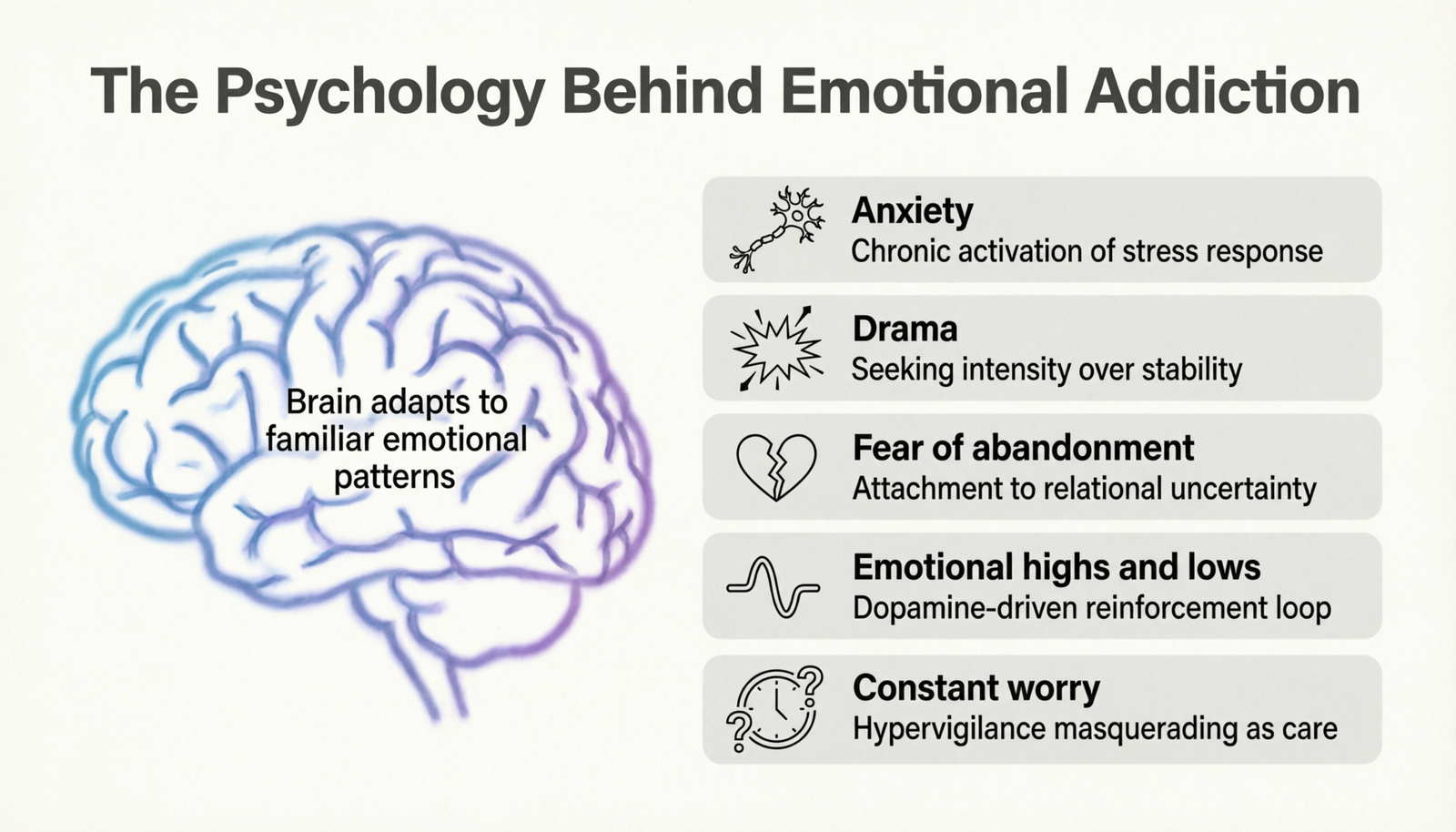
This creates what psychologists sometimes call emotional addiction.
The person is not addicted to the partner.
They become attached to the cycle.
The cycle often looks like this:
- Connection
- Distance
- Anxiety
- Reassurance
- Relief
- Repeat
Each reunion feels rewarding because it temporarily relieves anxiety.
Over time, uncertainty begins to feel like passion.
Why Healthy Love Can Feel Boring
Lisa discovered something shocking during therapy.
Whenever she met emotionally healthy people, she lost interest quickly.
There was no drama.
No guessing.
No emotional roller coaster.
No chasing.
Healthy individuals communicated clearly and consistently.
But because her nervous system had been conditioned by childhood uncertainty, stability felt unfamiliar.
Her brain interpreted calmness as a lack of chemistry.
In reality, it was emotional safety.
Many people confuse emotional intensity with emotional intimacy.
The two are not the same.
The Fear of Uncertainty Beneath the Fear of Abandonment
At the core of anxious attachment often lies a deeper fear:
The fear of uncertainty.
People with anxious attachment frequently ask themselves:
- Will they leave?
- Do they still love me?
- What if I am not enough?
- What if I end up alone?
- What if this relationship fails?
The mind constantly searches for certainty.
Unfortunately, relationships can never provide complete certainty.
Life itself is uncertain.
Trying to eliminate uncertainty often creates more anxiety.
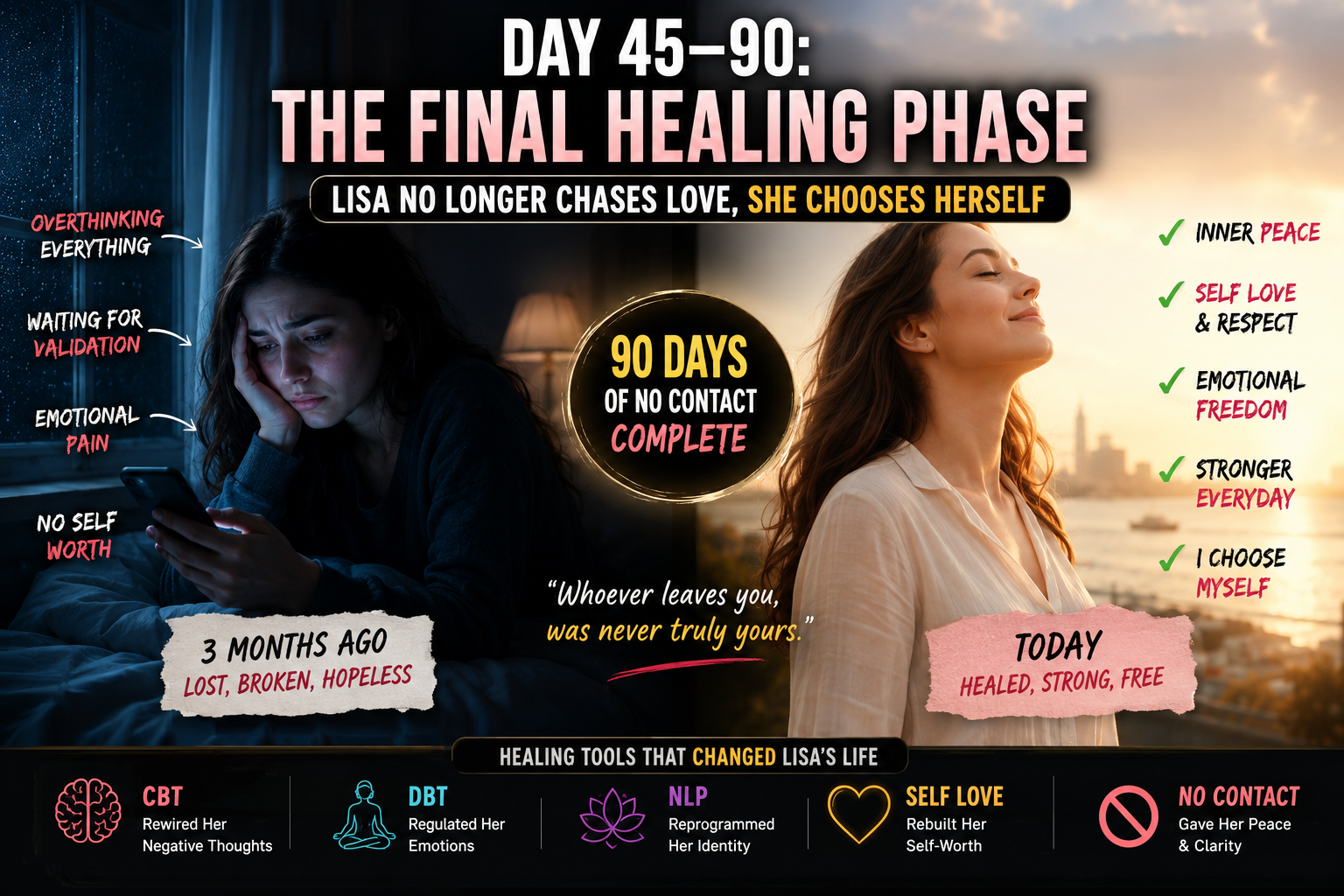
Healing begins when we learn to tolerate uncertainty instead of fighting it.
How CBT Helps Break the Pattern
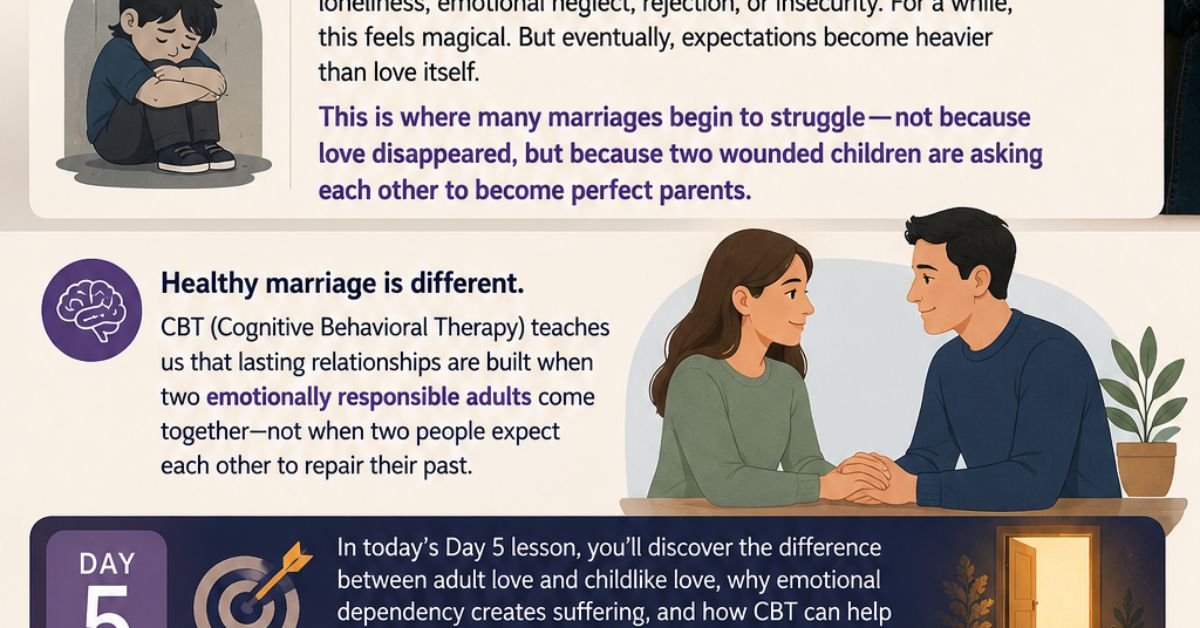
Understanding CBT
P( Thought ) ightarrow Emotion ightarrow Behavior
Cognitive Behavioral Therapy (CBT) helps people identify distorted thinking patterns that maintain anxiety.
Lisa’s thoughts often sounded like:
- “If they don’t text back immediately, they must be losing interest.”
- “If someone leaves, it means I’m unlovable.”
- “I need constant reassurance to feel secure.”
These thoughts created emotional distress.
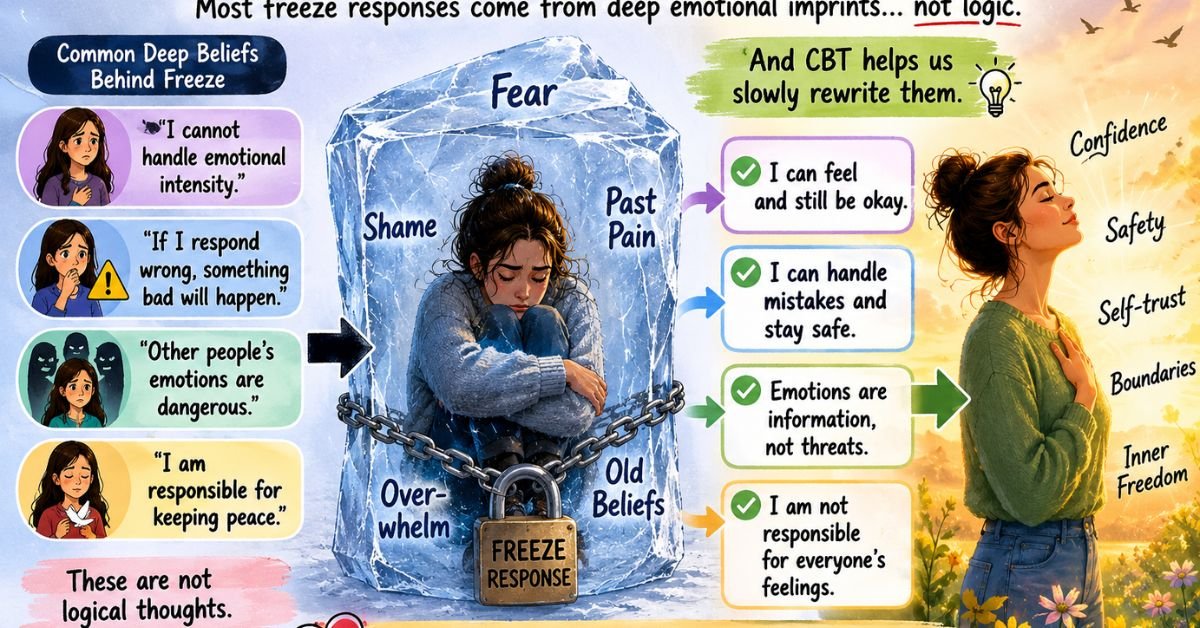
CBT helped her challenge these beliefs.

Replacing Cognitive Distortions
Instead of:
“They’re pulling away because they don’t love me.”
She learned to ask:
“What evidence supports this belief?”
Instead of:
“I cannot handle rejection.”
She practiced:
“Rejection may hurt, but I can survive it.”
Over time, her anxiety began to decrease.
How NLP Helps Rewire Emotional Patterns
Neuro-Linguistic Programming (NLP) focuses on changing subconscious associations.
Lisa realized her mind linked uncertainty with excitement.
NLP techniques helped her:
- Identify limiting beliefs
- Reframe past experiences
- Create healthier emotional associations
- Visualize secure relationships
- Build self-confidence
Gradually, she began associating safety with attraction rather than boredom.
This shift transformed how she viewed relationships.
How Reiki Supports Emotional Healing
While CBT works with thoughts and NLP addresses subconscious patterns, Reiki focuses on emotional and energetic balance.
Many people carrying childhood trauma experience:
- Chronic stress
- Emotional overwhelm
- Nervous system dysregulation
- Persistent anxiety
Reiki sessions encouraged Lisa to slow down and reconnect with herself.
She noticed:
- Reduced emotional reactivity
- Greater inner calm
- Increased self-awareness
- Better emotional regulation
Whether viewed as an energy practice, relaxation method, or mindfulness experience, Reiki became a valuable part of her healing journey.
Learning to Accept Life’s Uncertainty
One of Lisa’s biggest breakthroughs came when she stopped trying to control every outcome.
She began accepting:
- People may leave.
- Relationships may change.
- Life cannot be fully predicted.
- Uncertainty is part of being human.
Paradoxically, accepting uncertainty reduced her anxiety.
She no longer needed constant reassurance to feel safe.
Her sense of security began coming from within.
Signs You May Be Chasing Unavailable People
You may recognize this pattern if:
- You feel attracted to emotionally distant partners.
- Consistency feels boring.
- You overanalyze communication.
- You fear abandonment intensely.
- You constantly seek reassurance.
- You feel responsible for earning love.
- You stay in relationships that create anxiety.
Awareness is the first step toward change.
Lisa’s Transformation
As Lisa continued her healing journey, she noticed something remarkable.
The people she found attractive started changing.
She no longer felt drawn to emotional chaos.
Instead, she appreciated:
- Honesty
- Consistency
- Emotional availability
- Healthy communication
- Mutual effort
For the first time, love felt peaceful.
Not because life had become certain.
But because she had learned to feel secure within uncertainty.
Conclusion
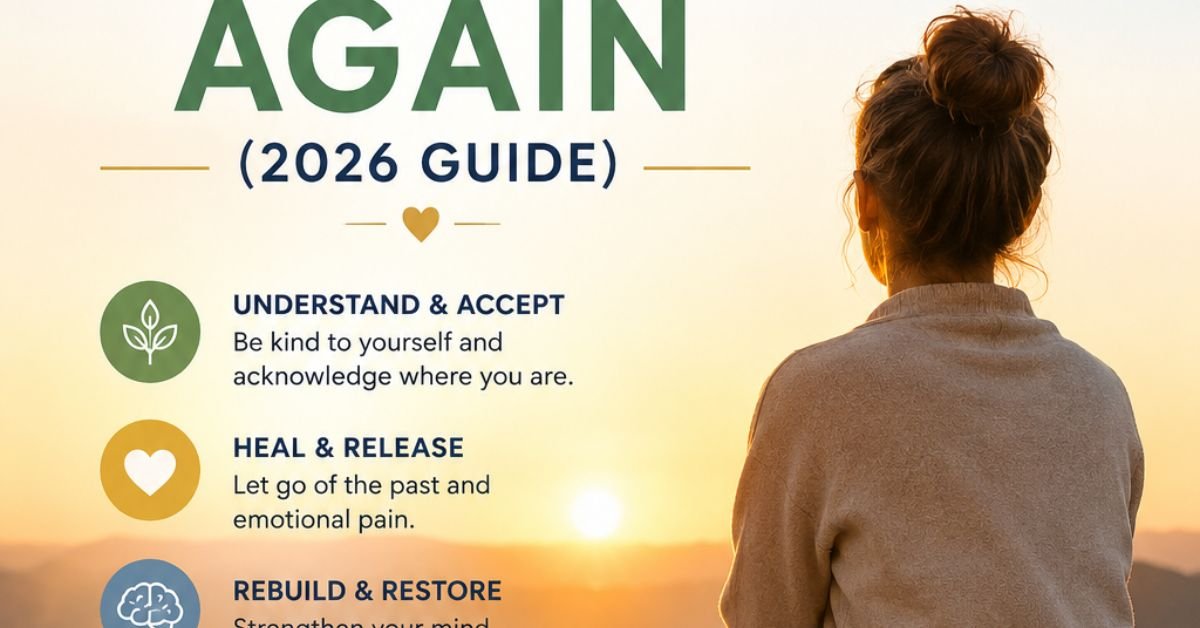
The tendency to chase emotionally unavailable people often begins long before adulthood. Childhood trauma, anxious attachment, and fear of uncertainty can create powerful emotional patterns that shape relationships for years.
The good news is that these patterns are not permanent.
Through CBT, individuals can challenge unhealthy beliefs. Through NLP, they can rewire subconscious associations. Through Reiki, they can cultivate emotional balance and inner calm.
Healing does not mean eliminating uncertainty from life.
Healing means learning that your safety, worth, and happiness do not depend on controlling what happens next.
The moment you stop chasing certainty in others, you begin discovering security within yourself.
FAQs
Why am I attracted to emotionally unavailable people?
Often because early childhood experiences made emotional inconsistency feel familiar. The nervous system may unconsciously seek relationship dynamics that resemble past experiences.
Can childhood trauma cause anxious attachment?
Yes. Emotional neglect, inconsistent caregiving, abandonment, and other childhood experiences can contribute to anxious attachment patterns.
Does CBT help anxious attachment?
CBT can help identify and challenge the beliefs and thought patterns that fuel relationship anxiety and fear of abandonment.
How does NLP help with emotional healing?
NLP focuses on changing subconscious beliefs and emotional associations, helping individuals develop healthier relationship patterns.
Can Reiki heal childhood trauma?
Reiki is not a replacement for therapy, but many people find it helpful for relaxation, emotional balance, stress reduction, and supporting overall healing.
Is it possible to develop secure attachment later in life?
Yes. With self-awareness, healing work, healthy relationships, and consistent practice, people can move toward a more secure attachment style.








Muhammad Abdullah
This really puts anxiety into perspective. Learning to accept uncertainty instead of fighting…
A great reminder that the goal isn’t to eliminate uncertainty, but to build the confidence to handle it. Very insightful read!