

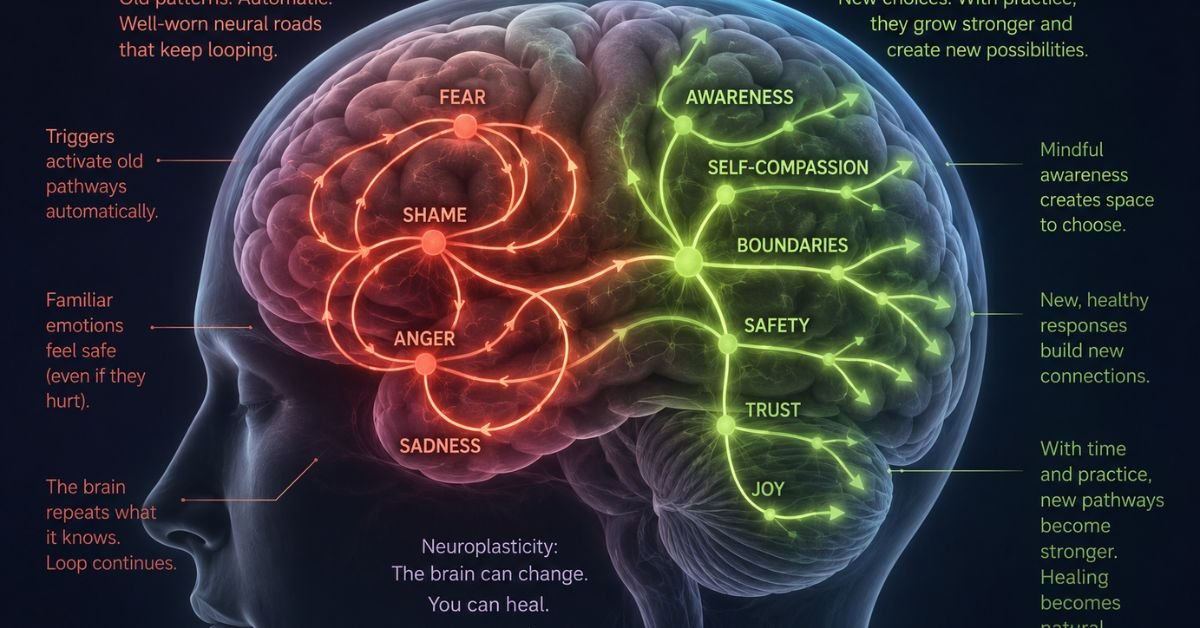
Some pain ends.
Thank you for reading this post; don't forget to subscribe!
But emotional pain sometimes stays.
You tell yourself:
“I want to move on.”
Yet days later…
A memory returns.
A conversation repeats.
A feeling comes back unexpectedly.
And suddenly it feels like nothing changed.
People often believe this means:
- they are weak
- they are attached
- they are broken
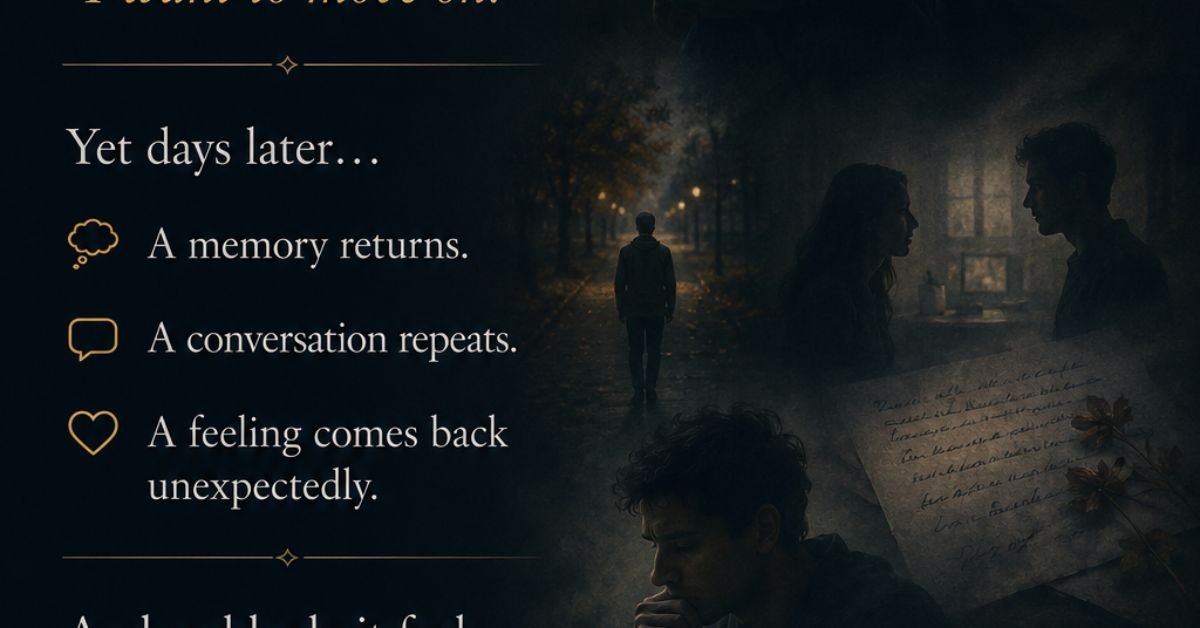
But brain science suggests something gentler.
Sometimes your brain is not choosing pain.
Sometimes your brain is repeating patterns it learned to protect yoWhy Your Brain Repeats Emotional Pain CBT & Brain Science Explained | Healora for Healingi
This is where understanding CBT and brain science becomes powerful.
Because healing is not forgetting.
Healing is understanding why the mind repeats and learning how change becomes possible.Why Your Brain Repeats Emotional Pai
- What CBT Says About Emotional Pain
- Brain Science Why Repetition Happens
- Survival Mode Does Not Always Look Dramatic
- Small Daily Example
- Social Media Story Example Why Emotional Pain Keeps Returning
- Why Your Brain Prefers Familiar Pain
- : Emotional Identity When Pain Starts Feeling Like Personality
- Can the Brain Actually Change?
- What Healing Actually Looks Like
- IMAGE PLACEMENT 3
- A Simple Reflection Exercise
- H2: Before Conclusion — CBT & Brain Science Summary
- FAQs
- Conclusion: Your Brain Is Not Fighting Yo
Why Emotional Pain Feels Like It Never Leaves
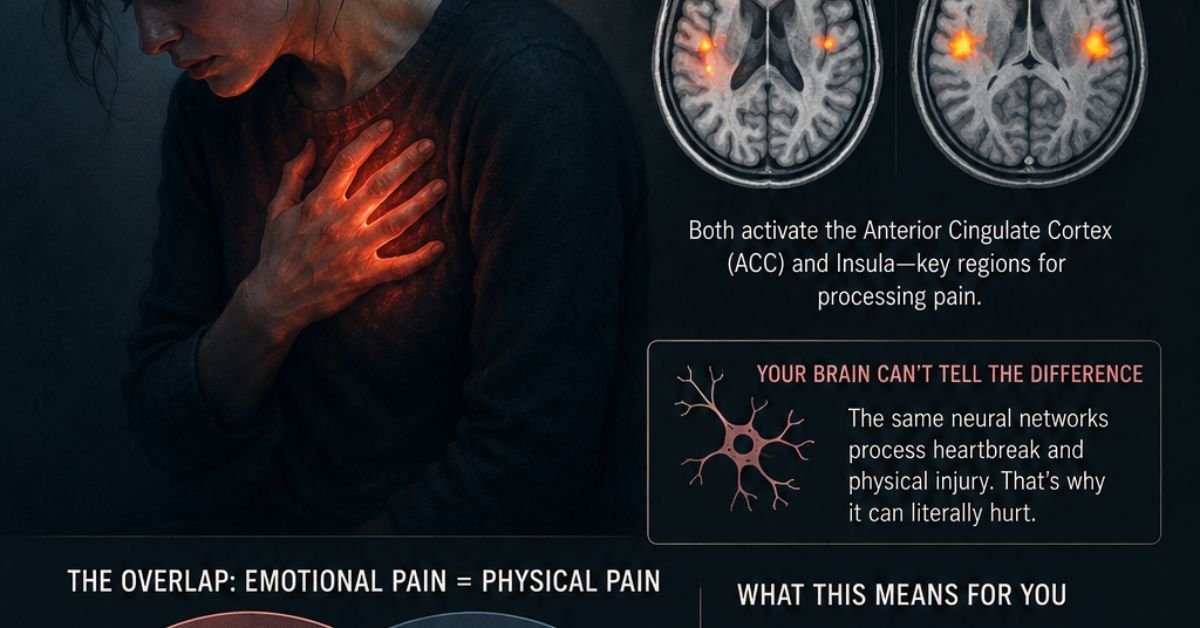
Emotional pain is different from physical pain.Why Your Brain Repeats Emotional Pain for Healing
Physical pain usually has a clear event.Why Your Brain Repeats Emotional Pain
Emotional pain often becomes:
- memory
- meaning
- expectation
- identity
Your brain does not only remember events.
It remembers:
“How did this experience make me feel?”Why Your Brain Repeats Emotional Pain
And that feeling becomes easier to access next time.
What CBT Says About Emotional Pain
From a CBT perspective:
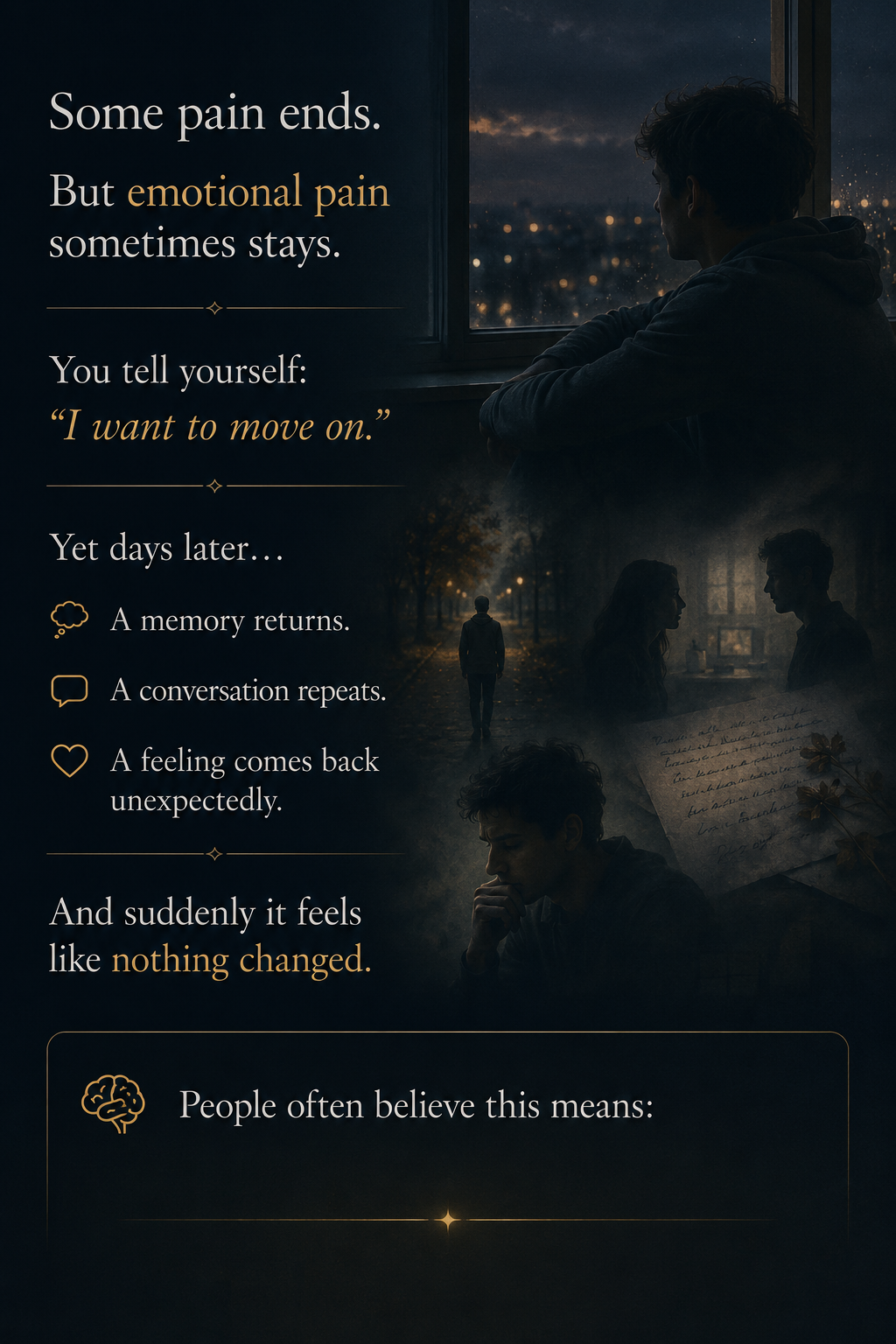
situations do not directly create suffering.
Why Your Brain Repeats Emotional Pain
CBT looks at this cycle:
Thought → Emotion → Body → Behavior
Example:
Event:
Someone stopped replying.
Thought:
“I am not important.”
Emotion:
Sadness.
Body:
Tight chest.
Behavior:
Withdrawal.
Over time this becomes automatic.
Not because it is true—
but because the brain learned it.
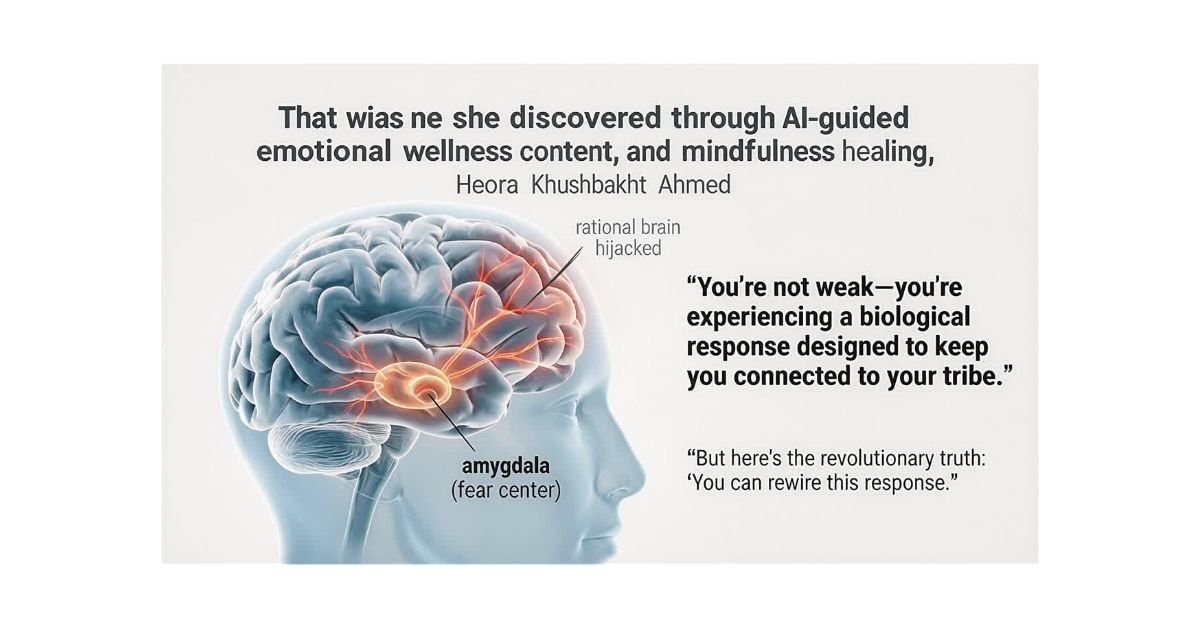
Brain Science Why Repetition Happens
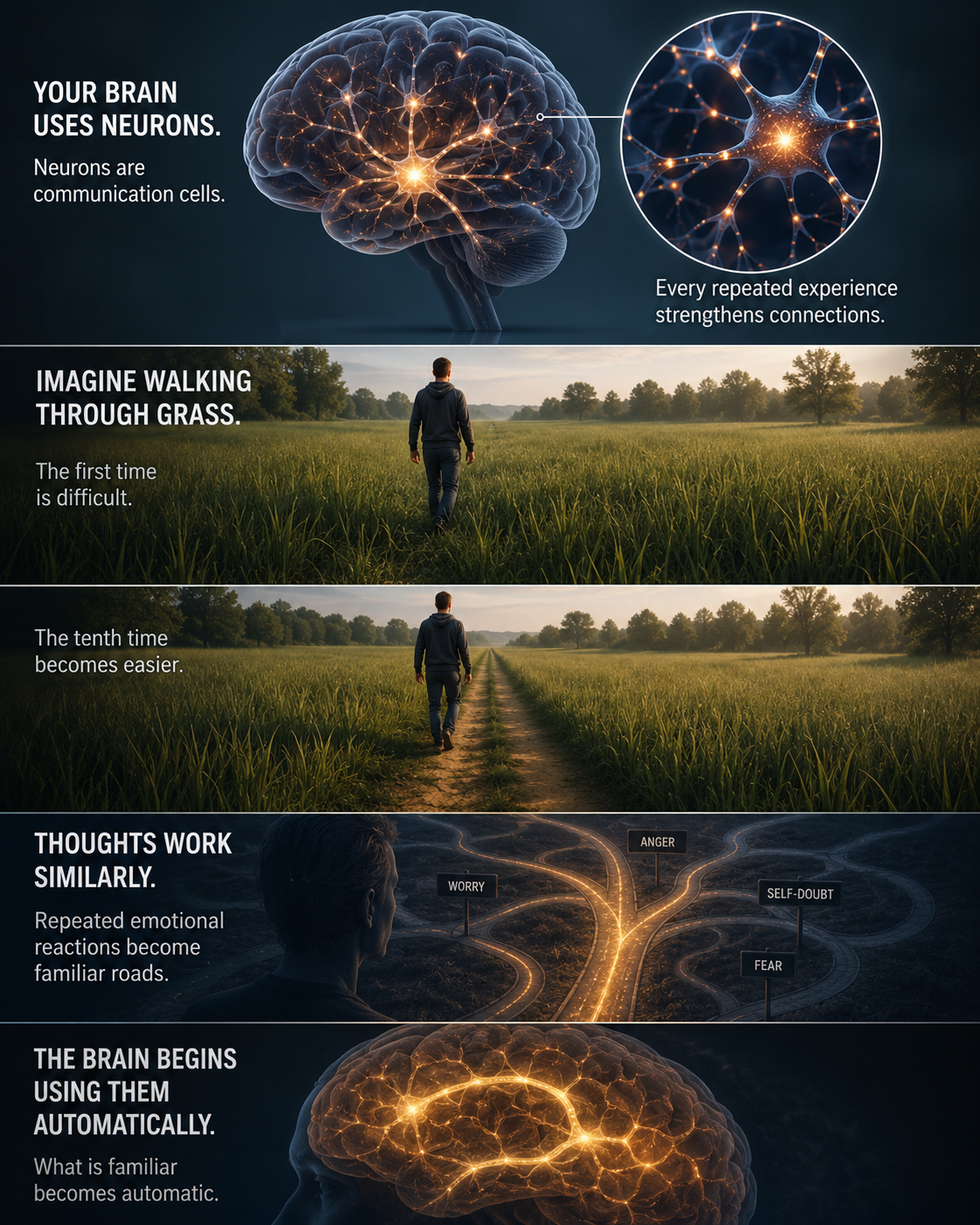
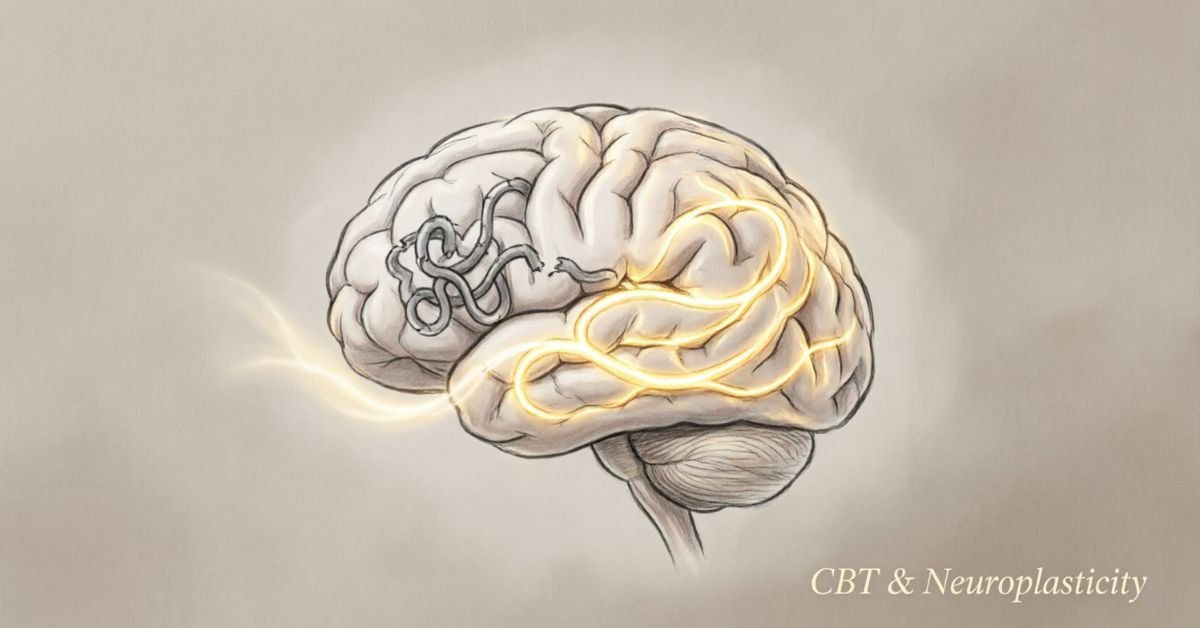
Your brain uses neurons.
Neurons are communication cells.
Every repeated experience strengthens connections.
Imagine walking through grass.
The first time is difficult.
The tenth time becomes easier.
Thoughts work similarly.
Repeated emotional reactions become familiar roads.
The brain begins using them automatically.
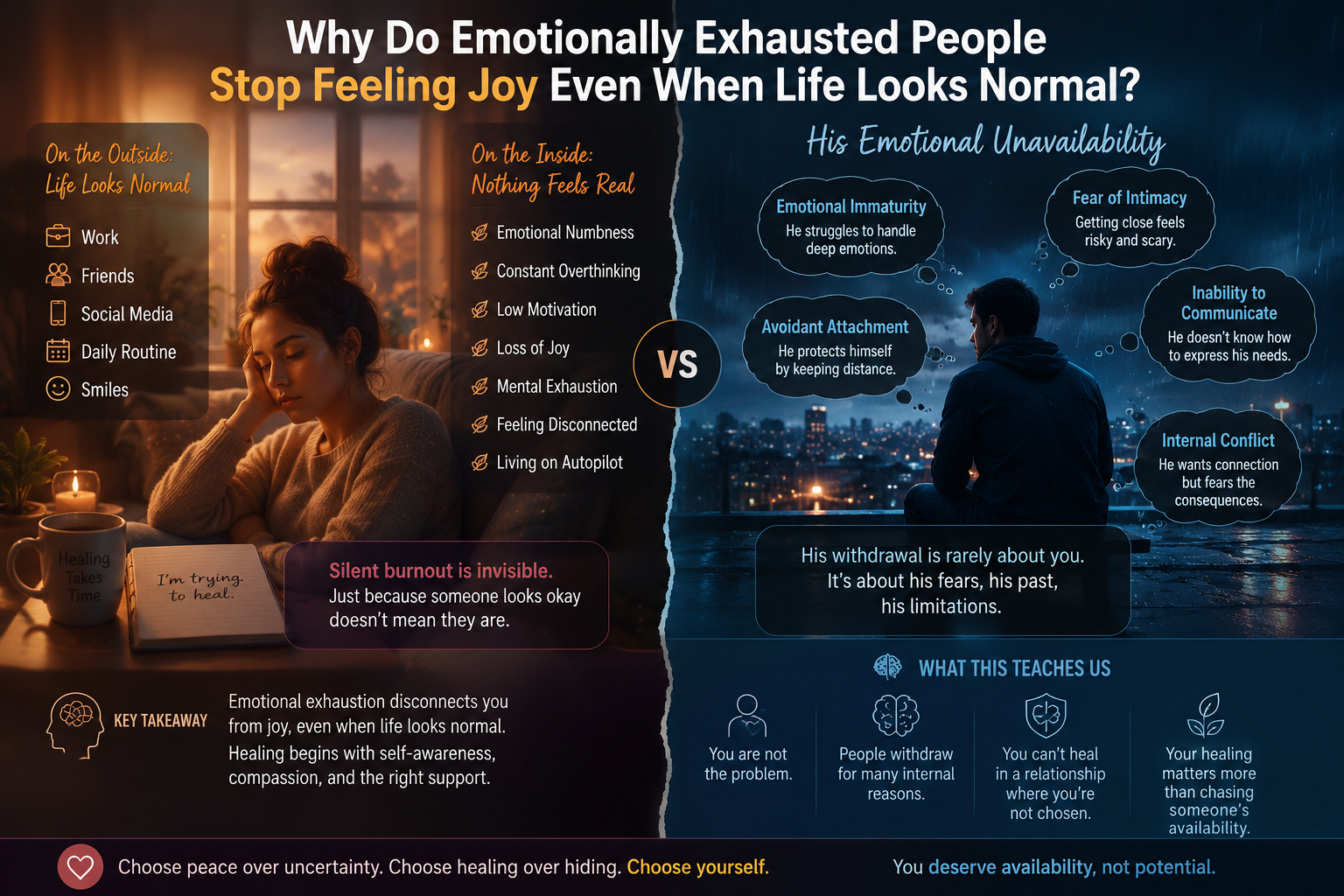
Survival Mode Does Not Always Look Dramatic
Most people imagine survival mode as panic.
But emotional survival can look like:
- overthinking
- emotional numbness
- staying busy
- checking messages repeatedly
- expecting disappointment
The brain says:
“If I stay alert, I stay safe.”
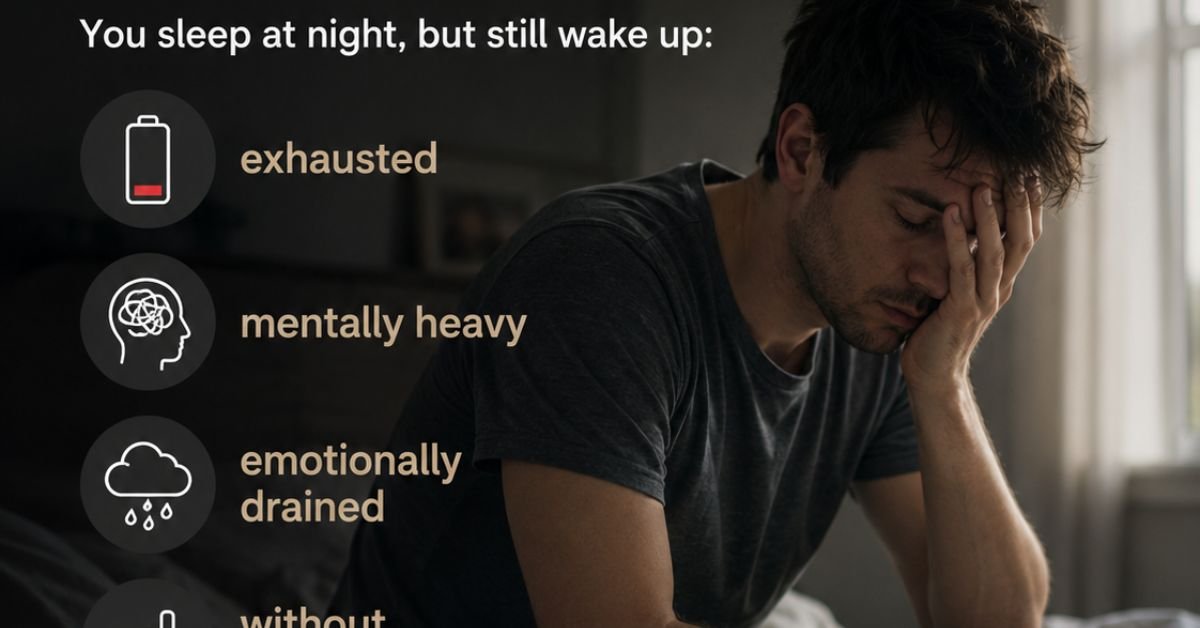
But eventually protection becomes exhaustion.
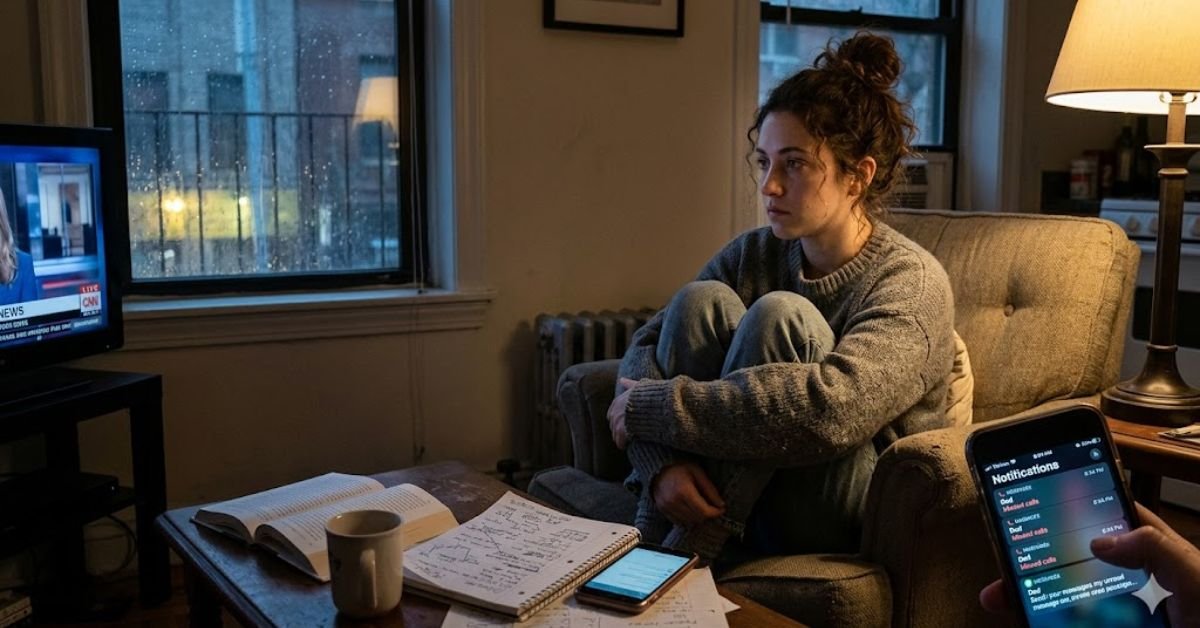
Small Daily Example
Someone forgets to reply.
Instead of:
“They are busy.”
The brain instantly goes to:
“They are leaving.”
That reaction may not come from today.
It may come from repeated emotional learning.
Social Media Story Example Why Emotional Pain Keeps Returning

You see someone laughing.
Instantly your mind says:
“They moved on.”
Your chest feels heavy.
You compare.
You replay memories.
Hours pass.
Nothing actually happened.
But your brain treated a story as emotional evidence.
Social media does not create pain.
It often activates existing emotional pathways.
Why Your Brain Prefers Familiar Pain
This sounds strange.
But the brain prefers familiar patterns.
Even painful ones.
Because familiarity feels predictable.
The brain often chooses:
Known discomfort
over
Unknown change
This is why healing can feel uncomfortable.
: Emotional Identity When Pain Starts Feeling Like Personality
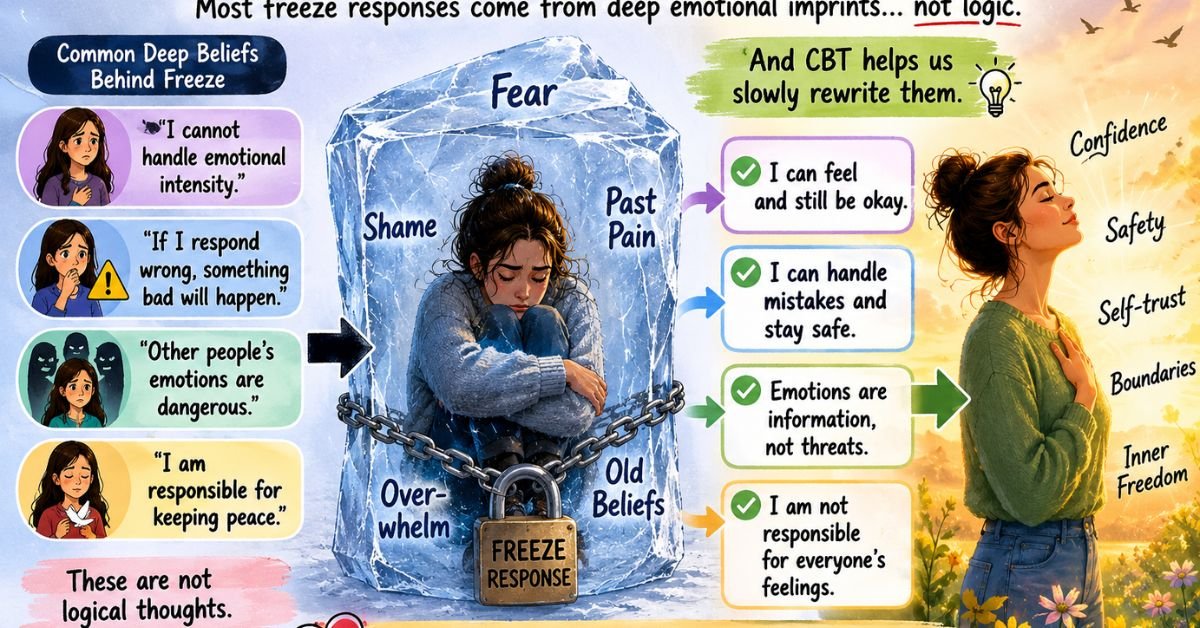
Repeated thoughts become emotional habits.
Repeated habits begin feeling like identity.
Examples:
“I always lose people.”
“I am too emotional.”
“I cannot trust.”
Over time identity becomes built around protection.
But identity is not fixed.
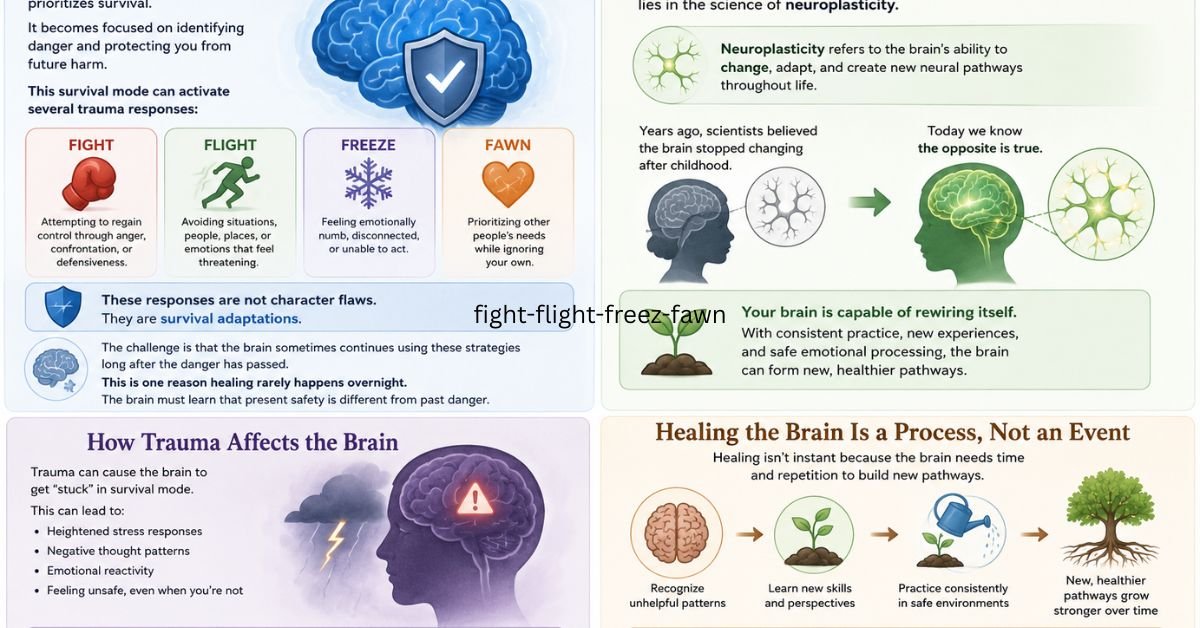
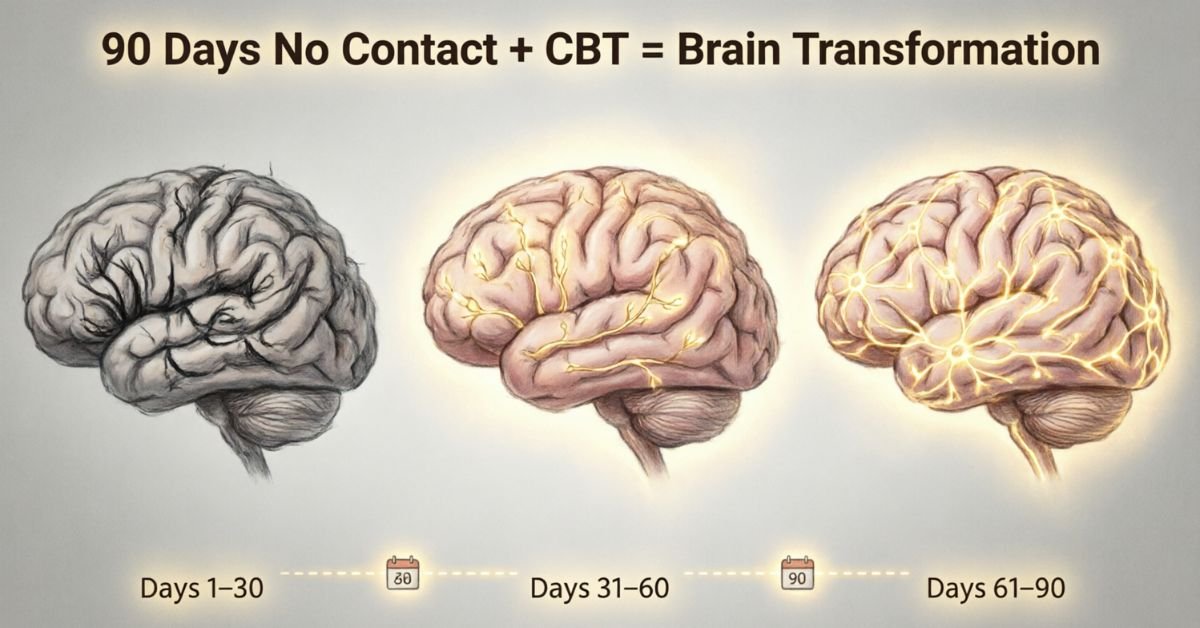
Can the Brain Actually Change?
Yes.
This ability is called neuroplasticity.
Your brain can:
- create new pathways
- weaken old loops
- respond differently over time
Change does not happen through one realization.
It happens through repetition.
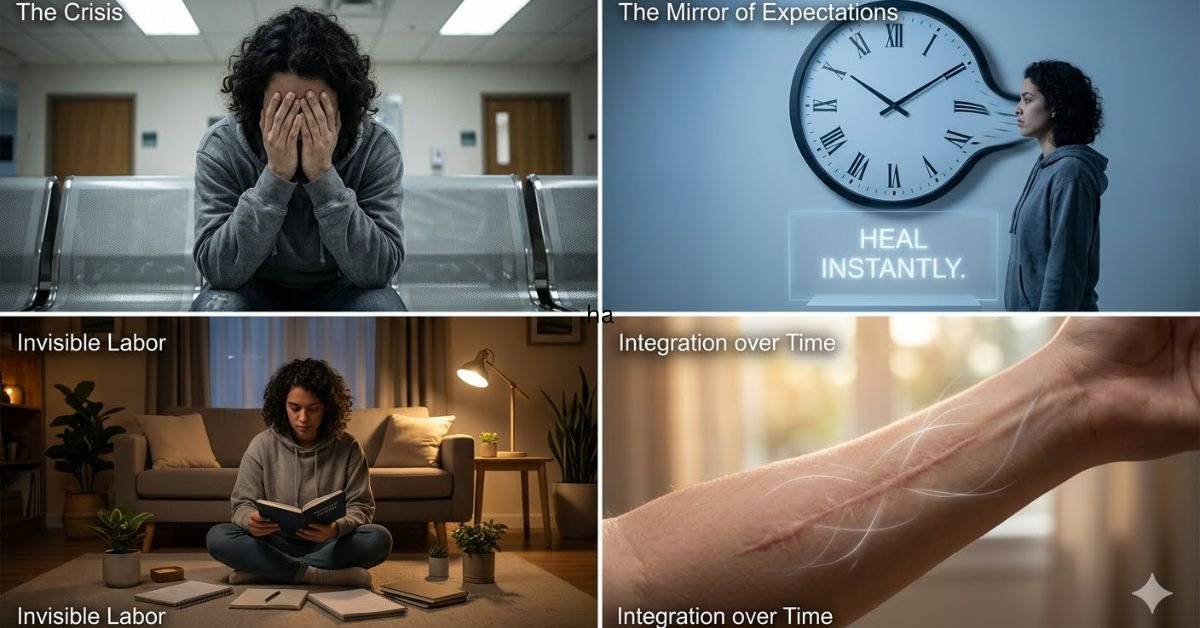
What Healing Actually Looks Like
Healing does not mean:
Never thinking about pain again.
Healing often means:
- shorter emotional spirals
- quicker recovery
- softer reactions
- more emotional space
Progress is quieter than people expect.
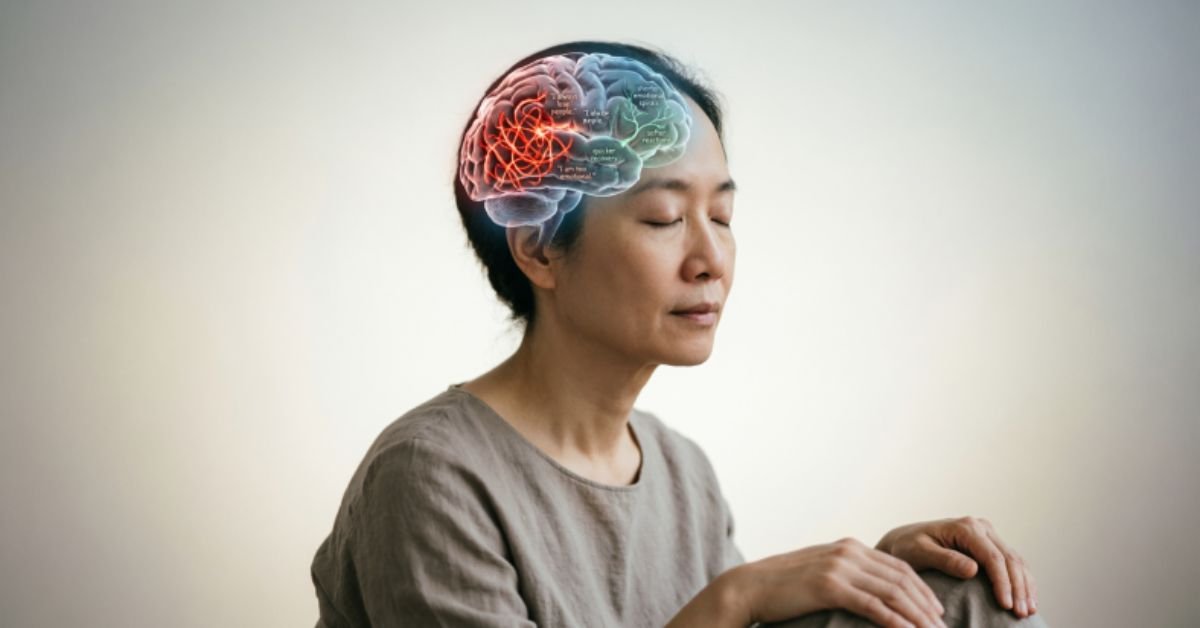
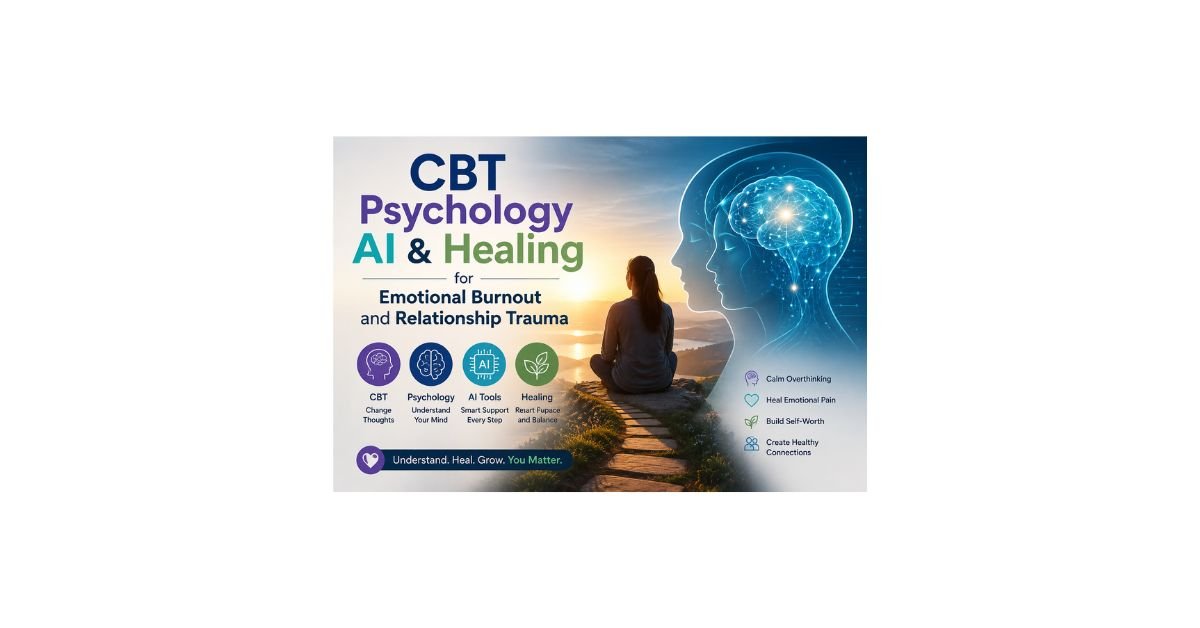
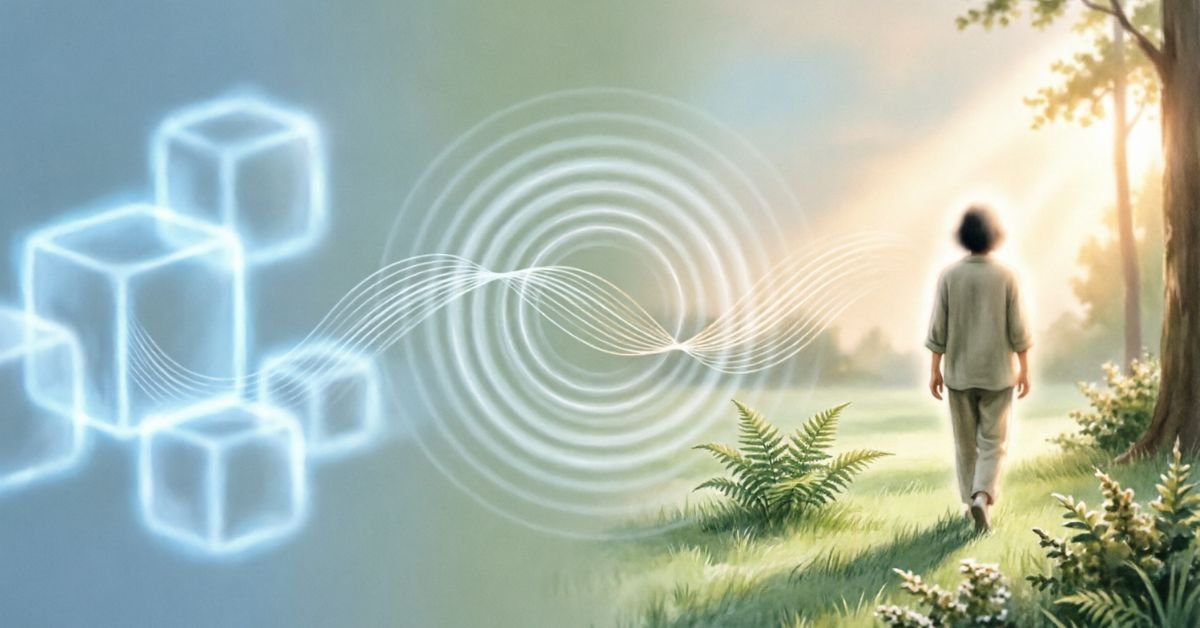
IMAGE PLACEMENT 3
Image Idea:
A person sitting peacefully while brain pathways shift from intense lines to calmer balanced connections.
Alt Text:
Healing emotional brain patterns through calm repetition and emotional safety
A Simple Reflection Exercise
Ask:
What feeling keeps returning?
Then ask:
What belief appears underneath it?
Examples:
Feeling:
Fear
Belief:
People leave.
Feeling:
Exhaustion
Belief:
I must always stay strong.
This is where awareness begins.
H2: Before Conclusion — CBT & Brain Science Summary
| Experience | CBT View | Brain Science View |
| Emotional pain | Thought interpretation | Neural repetition |
| Overthinking | Automatic thoughts | Activated pathways |
| Emotional exhaustion | Stress cycle | High neural load |
| Healing | Thought change | Brain rewiring |
| Progress | New responses | New pathways |
FAQs
Why does my brain repeat emotional pain?
Because repeated thoughts and emotional reactions become easier pathways for the brain to activate.
Can CBT reduce emotional suffering?
CBT helps people notice and reshape thought patterns connected to emotional distress.
Are neurons responsible for emotional habits?
Neurons support repeated patterns that influence emotions, reactions, and expectations.
Why does emotional pain feel physical?
The brain and body communicate continuously, so emotional stress can influence physical sensations.
Can healing happen after long emotional pain?
Change is possible because the brain can continue adapting throughout life.
Conclusion: Your Brain Is Not Fighting Yo
If emotional pain keeps returning—
it does not always mean you want suffering.
It may mean your brain learned repetition.
And repetition can change.
Your emotions are real.
Your exhaustion is real.
But your patterns are not permanent.
Small moments of awareness create space.
Repeated safety creates new pathways.
And slowly




Leave a Reply