

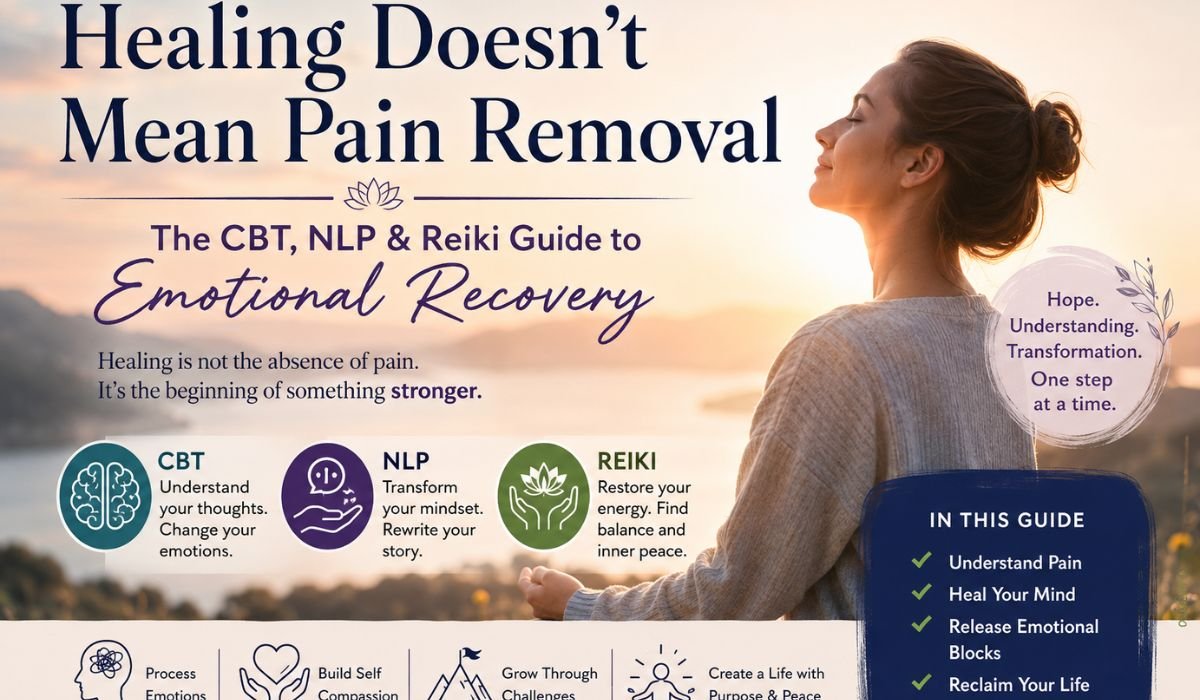
- Emotional Recovery Healing
- How NLP Supports Emotional Recovery
- A Story of Healing: Sarah's Journey
- A Story of Healing: Ahmed's Journey
- Signs Healing Has Already Begun
- Why Comparing Healing Journeys Is Dangerous
- The Difference Between Healing and Avoidance
- How CBT, NLP, and Reiki Work Together
- Practical Daily Habits for Emotional Recovery
- The Moment Everything Changes
- Frequently Asked Questions
- Final Thoughts
Emotional Recovery Healing
Many people begin a healing journey believing that healing means the complete disappearance of pain.
Thank you for reading this post; don't forget to subscribe!
They hope that one day they will wake up and no longer feel sadness, heartbreak, grief, anxiety, regret, or emotional exhaustion.
But real healing rarely works that way.
Healing is not the sudden removal of pain.Healing Doesn’t Mean Pain Removal
It means the wound survived.Healing is learning how to live, grow, and move forward even while some pain still exists.

Whether you are recovering from heartbreak, loss, childhood wounds, betrayal, stress, or emotional burnout, understanding this truth can change the way you see your recovery
At HealOraCBT, we combine Cognitive Behavioral Therapy (CBT), Neuro-Linguistic Programming (NLP), and Reiki principles to help people understand that healing is not about becoming emotionless.
It is about becoming stronger than the pain
What Does Healing Really Mean?
Many people imagine healing as reaching a point where nothing hurts anymore.
In reality, healing often means:Healing Doesn’t Mean Pain Removal
- Feeling pain without being controlled by it
- Remembering the past without reliving it
- Accepting what happened without approving of it
- Creating a meaningful future despite difficult experiences
Pain and healing can exist together.
You can still miss someone and be healing.Healing Doesn’t Mean Pain Removal: The CBT, NLP & Reiki Guide to Emotional Recovery
You can still have difficult days and be healing.
You can still cry sometimes and be healing.
The presence of pain does not automatically mean healing has failed.
Why Emotional Pain Feels So Powerful
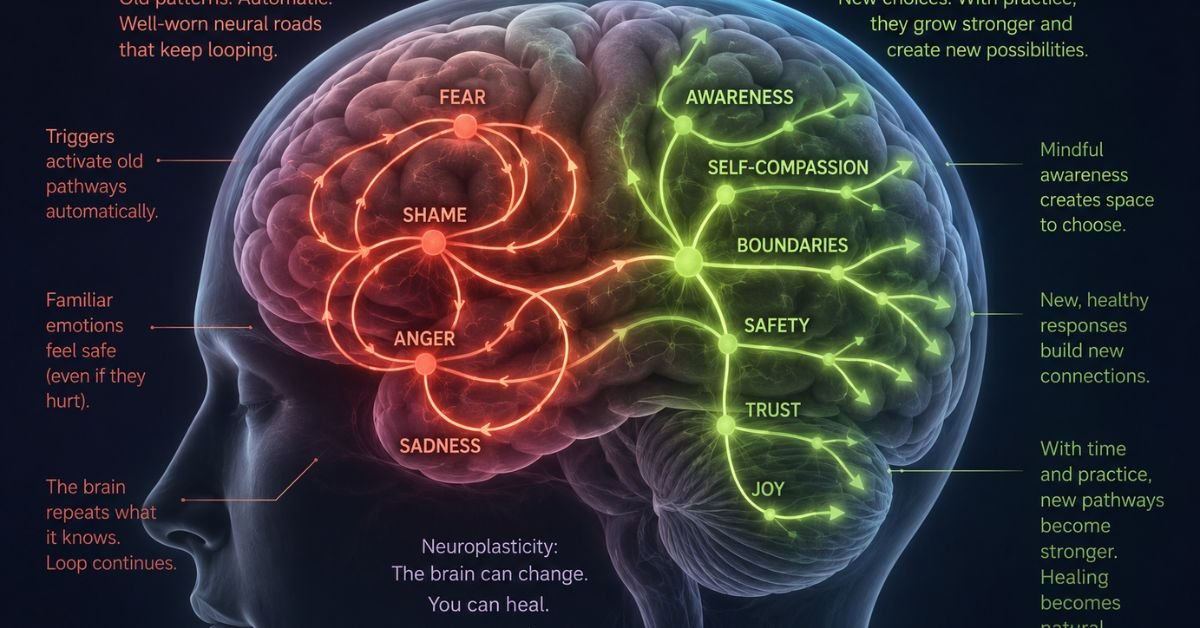
. The Neurological Overlap (The Brain’s Alarm System)
Neurologically, the brain does not strongly differentiate between physical pain and emotional pain. When you experience a deep emotional wound—like heartbreak, rejection, or grief—the anterior cingulate cortex and the insula light up. These are the exact same regions of the brain that register physical pain.Healing Doesn’t Mean Pain Removal: The CBT, NLP & Reiki Guide to Emotional Recovery
- The Evolutionary Reason: For early humans, social rejection or isolation from the tribe literally meant death. Therefore, the brain evolved to treat emotional disconnection as a life-threatening emergency, flooding the body with stress hormones (cortisol and adrenaline) to force us to pay attention and repair the social bond.
2. The Cognitive Amplifier (Meaning-Making)
From a CBT and NLP perspective, emotional pain is rarely just about the event itself; it is about the meaning attached to the event.Healing Doesn’t Mean Pain Removal: The CBT, NLP & Reiki Guide to Emotional Recovery
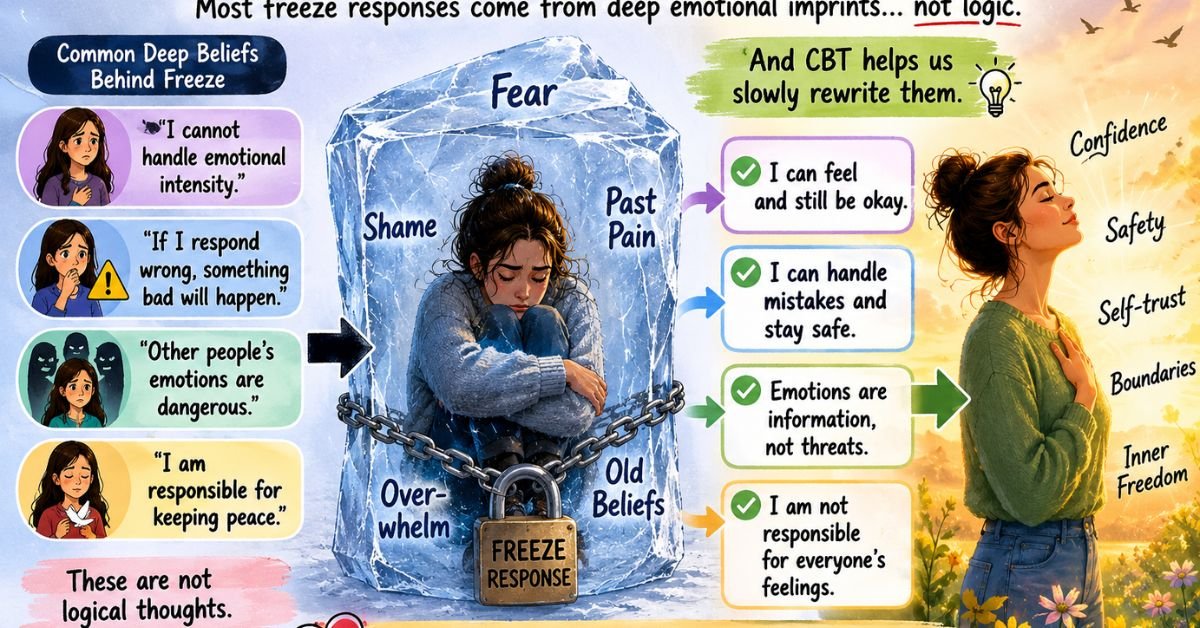
- Shattered Core Beliefs: Emotional pain peaks when an event violates our deepest core beliefs or “maps of the world.” If someone believes “I am worthy of love” and experiences a sudden betrayal, the pain isn’t just about the loss of the person; it is the traumatic shattering of their fundamental reality and sense of self.
- The Narrative Loop: Unlike physical pain, which usually has a clear beginning and end (like touching a hot stove), emotional pain can be perpetuated by our thoughts. Rumination and cognitive distortions act as fuel, keeping the emotional fire burning long after the initial event has passed.
Emotional pain affects more than feelings.Healing Doesn’t Mean Pain Removal: The CBT, NLP & Reiki Guide to Emotional Recovery
It influences thoughts, behaviors, energy levels, sleep patterns, relationships, and physical health.
When people experience emotional loss, their minds naturally search for answers.Healing Doesn’t Mean Pain Removal
Questions often appear such as:
- Why did this happen?
- What did I do wrong?
- Will I ever feel normal again?
- Why can’t I move on?
These questions are normal.
The problem occurs when they become repetitive loops that keep the brain trapped in suffering.
This is where healing approaches like CBT, NLP, and Reiki can support recovery.Healing Doesn’t Mean Pain Removal
Understanding Emotional Recovery Through CBT
What Is CBT?

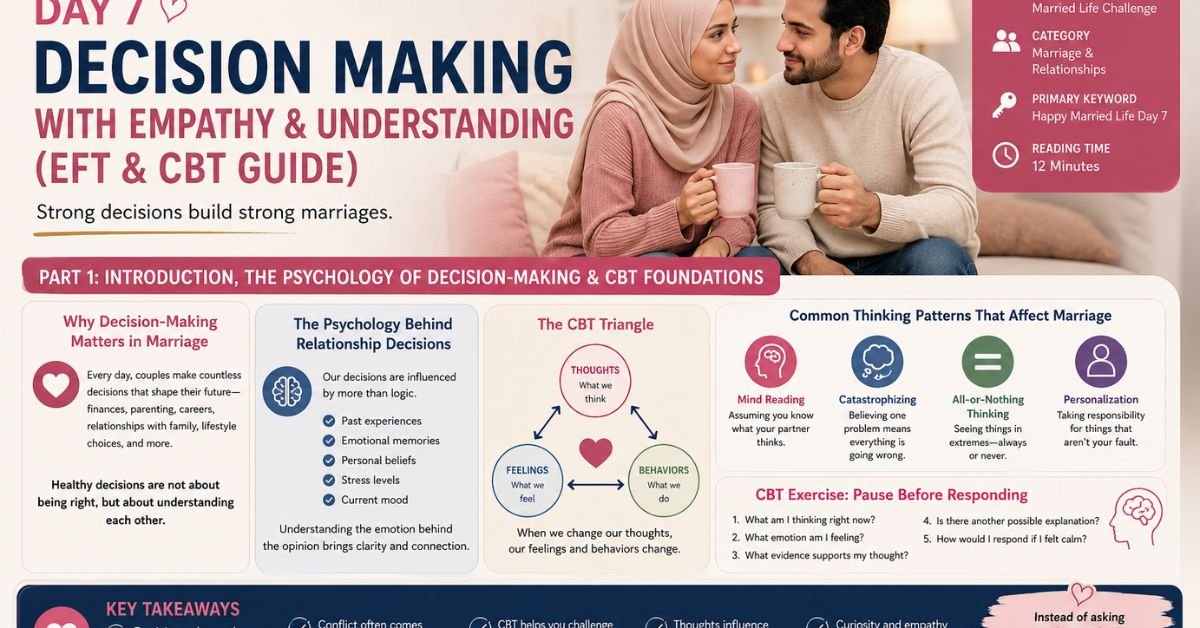
Cognitive Behavioral Therapy focuses on the relationship between thoughts, emotions, and behaviors.
CBT teaches that situations do not directly create emotions.
Instead, our interpretations influence how we feel.Healing Doesn’t Mean Pain Removal: The CBT, NLP & Reiki Guide to Emotional Recovery
For example:
Situation:
A relationship ends.
Automatic Thought:
“I’ll never be loved again.”
Emotion:
Hopelessness.
Behavior:
Isolation.
The emotional suffering becomes stronger because of the thought pattern attached to the event.
Common Thought Patterns That Increase Pain
Catastrophic Thinking
People imagine the worst possible future.Healing Doesn’t Mean Pain Removal
Examples:
- My life is over.
- I’ll never recover.
- Nothing will ever get better.Healing Doesn’t Mean Pain Removal
Mind Reading
Assuming you know what others think.
Examples:
- Everyone thinks I failed.
- Nobody cares about me.
Overgeneralization
Taking one painful event and applying it to everything.
Examples:
- One person hurt me.
- Therefore everyone will hurt me.
Recognizing these thought patterns helps reduce unnecessary emotional suffering.: Recovery
CBT Does Not Erase Pain
One of the biggest misconceptions about CBT is that it removes emotions.
CBT does not eliminate sadness.Healing Doesn’t Mean Pain Removal
CBT helps people understand their sadness.
The goal is not emotional suppression.
The goal is emotional processing.
How NLP Supports Emotional Recovery
What Is NLP?
Neuro-Linguistic Programming explores how language influences emotional experiences.
The stories we tell ourselves matter.: Recovery
Many people unknowingly repeat painful internal narratives.
Examples include:
- I am broken.
- I always fail.
- Nobody chooses me.
- I don’t deserve happiness.
Over time these statements become emotional programs.
Rewriting Internal Language
NLP encourages healthier perspectives.
Instead of:
“I am broken.”
Try:
“I am healing from something difficult.”
Instead of:
“I failed.”
Try:
“I learned something painful but valuable.”
These shifts may seem small.
Yet language shapes emotional experience.
The Power of Meaning
Two people can experience the same event and create different meanings.
One person may think:
“This heartbreak destroyed me.”
Another may think:
“This heartbreak taught me who I am.”
The event is identical.
The meaning changes everything.
Reiki and Emotional Healing
Understanding Reiki’s Perspective
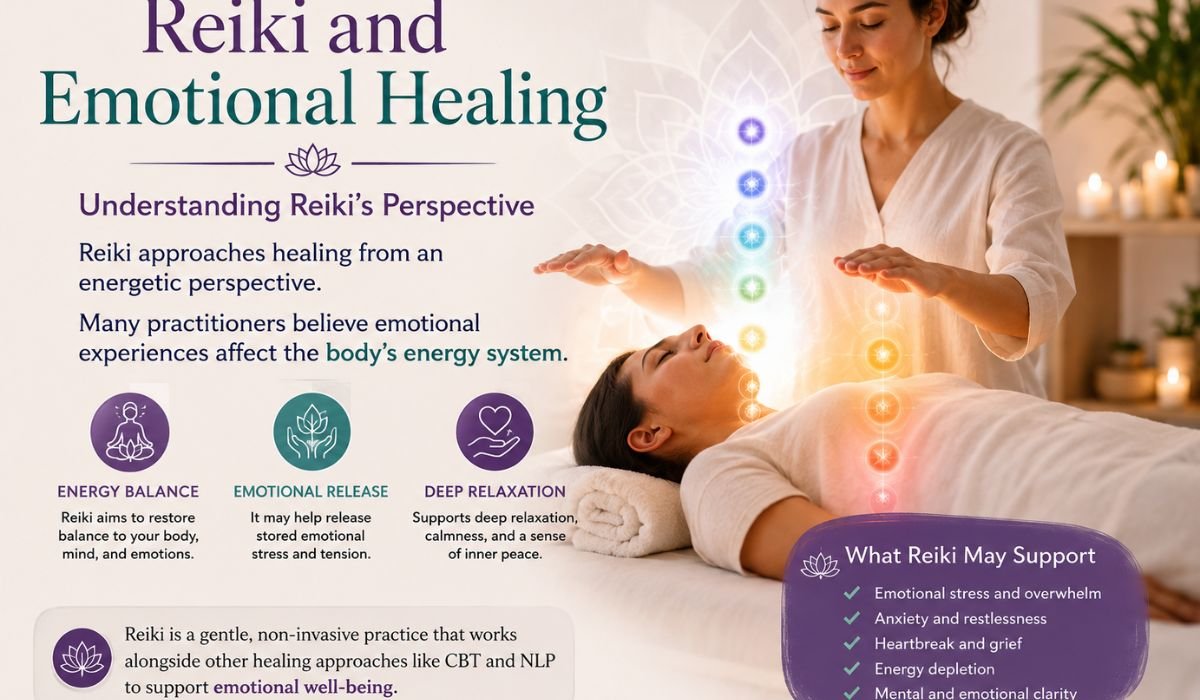
Reiki approaches healing from an energetic perspective.
Many practitioners believe emotional experiences affect the body’s energy system.
Stress, grief, anger, fear, and heartbreak can leave people feeling emotionally heavy.
While Reiki is not a replacement for medical or mental health treatment, many individuals use it as a complementary wellness practice for relaxation and self-reflection.
Why Relaxation Matters
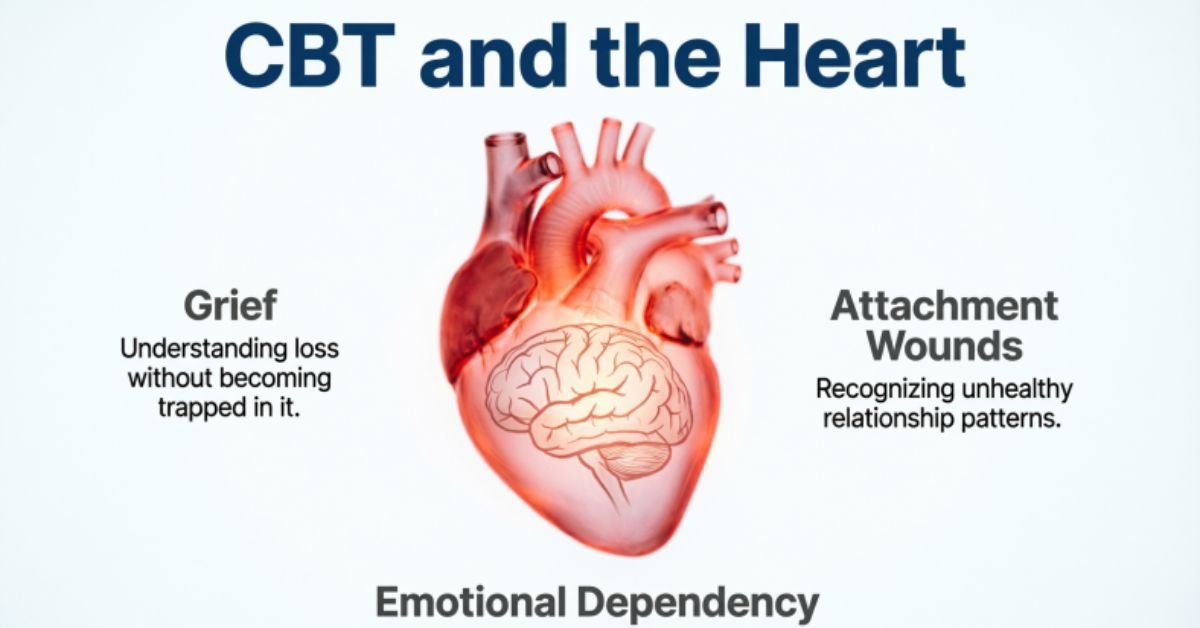
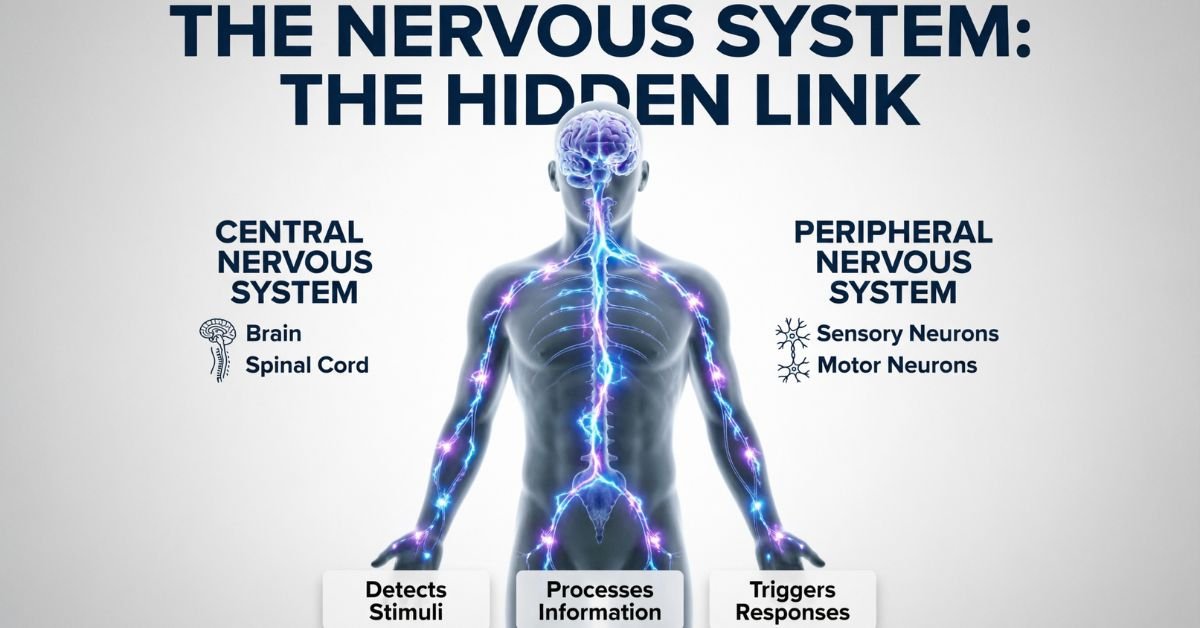
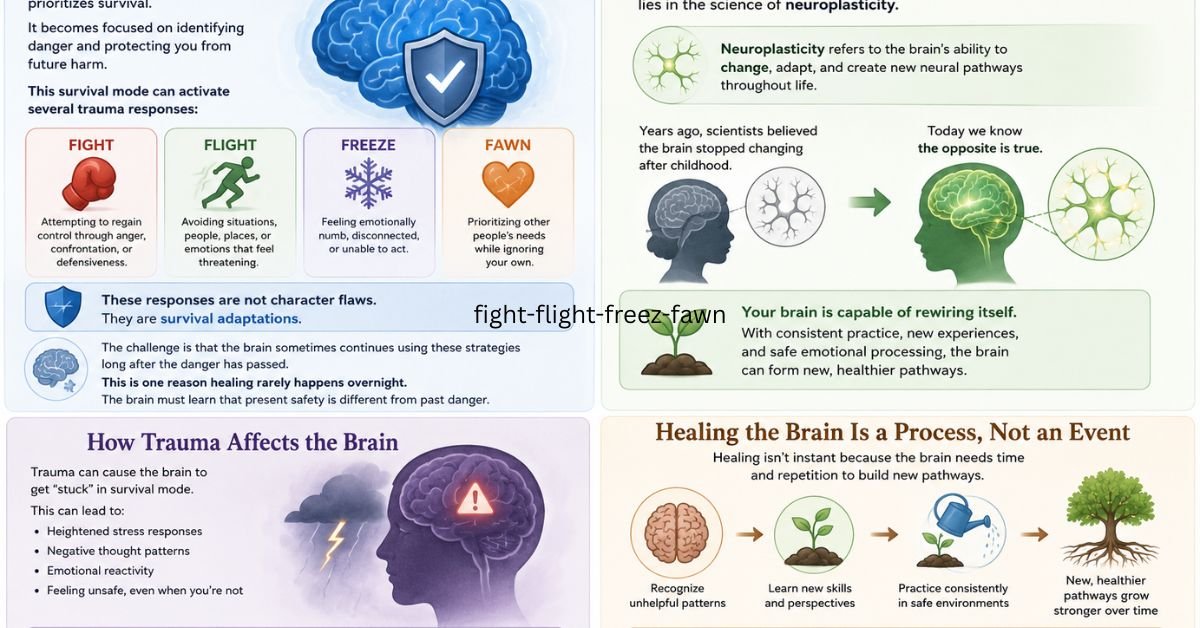
When emotional pain becomes overwhelming, the nervous system often remains in survival mode.
People may experience:
- Constant worry
- Restlessness
- Emotional exhaustion
- Sleep difficulties
- Muscle tension
Practices that encourage relaxation may help create a sense of emotional safety.
A calmer mind often processes emotions more effectively.
A Story of Healing: Sarah’s Journey

When Pain Refused to Leave
Sarah was thirty-four when her eight-year relationship ended.
Months passed.
Friends told her to move on.
Social media told her to stay positive.
Yet every morning she woke up with the same ache.
She believed healing had failed because the pain was still there.
One day her therapist asked:
“What if healing isn’t the absence of pain?”Healing Doesn’t Mean Pain Removal: The CBT, NLP & Reiki Guide to Emotional Recovery
The question stayed with her.
Small Signs of Recovery
Sarah noticed something important.
She still felt sadness.
But she was also:
- Sleeping better
- Going to work consistently
- Laughing occasionally
- Reconnecting with friends
Pain remained.
But life was returning.
That was healing.
Not because pain disappeared.
Because pain no longer controlled every moment.Healing Doesn’t Mean Pain Removal:
A Story of Healing: Ahmed’s Journey

Carrying Childhood Wounds
Ahmed spent years believing he was never good enough.
Every criticism felt devastating.
Every rejection felt personal.
Through CBT he identified the belief:
“I am not worthy.”
Through NLP he learned to challenge that story.
Through mindfulness and relaxation practices, he learned to create moments of peace.
Progress Without Perfection
The old thoughts did not disappear overnight.
Sometimes they still appeared.
The difference was that Ahmed no longer automatically believed them.
Healing happened when he stopped treating every painful thought as truth.
Signs Healing Has Already Begun
Many people overlook healing because they expect dramatic transformation.
In reality, healing often appears quietly.
Signs include:
You Recover Faster
Bad days still happen.
But they do not last as long.
You Understand Your Emotions Better

You can identify feelings instead of feeling overwhelmed by them.
You Set Healthier Boundaries
You stop accepting behavior that harms your well-being.
You Become Less Reactive
You pause before responding.
You Start Trusting Yourself Again
Self-confidence slowly returns.
These changes may seem small.
Together they represent meaningful recovery.
Why Comparing Healing Journeys Is Dangerous
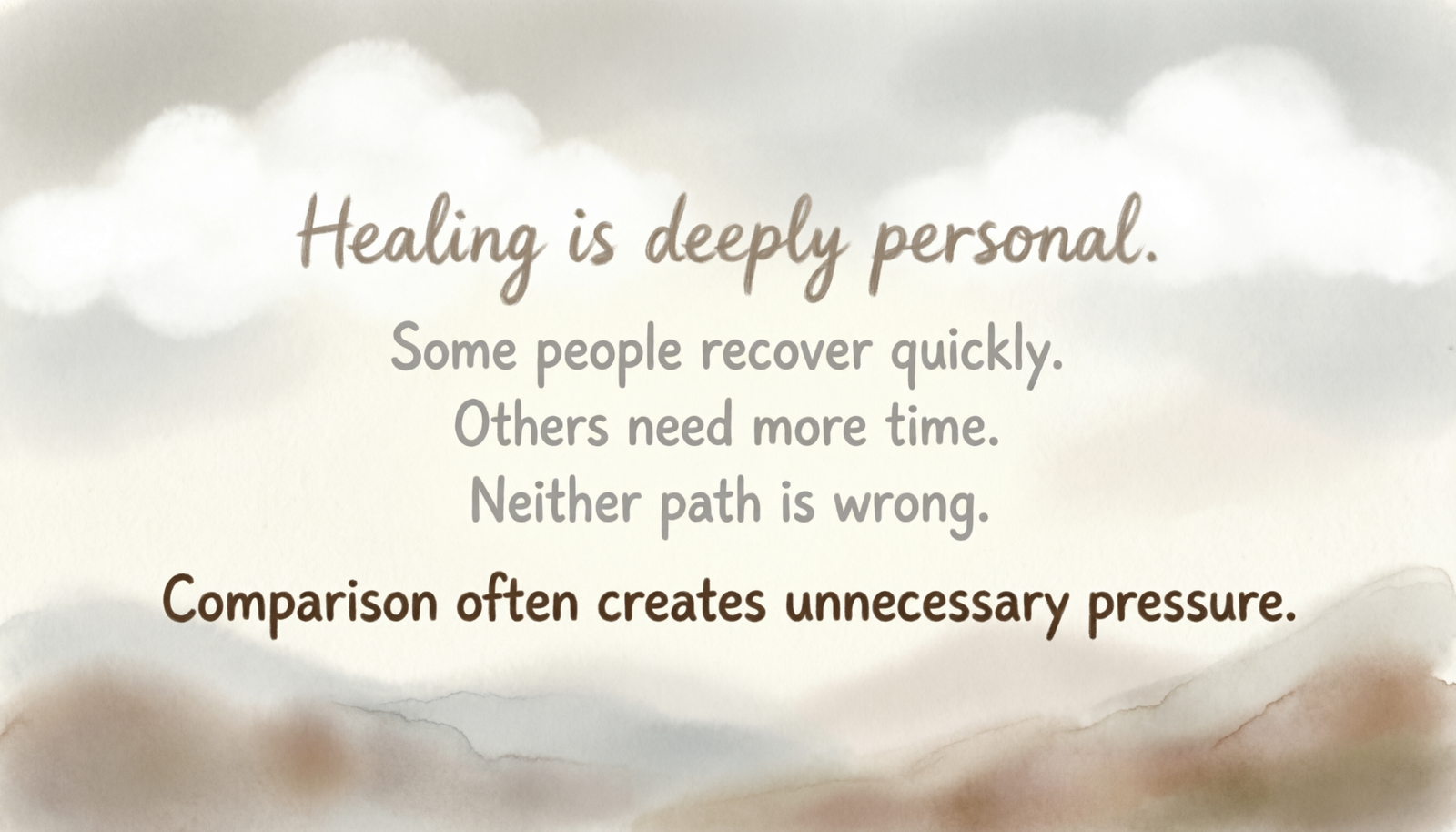
Healing is deeply personal.
Some people recover quickly.
Others need more time.
Neither path is wrong.
Comparison often creates unnecessary pressure.
You may see someone smiling online and assume they healed faster.
But every person carries a different history, personality, support system, and life experience.
Healing cannot be measured accurately through comparison.
The Difference Between Healing and Avoidance
Many people confuse distraction with healing.
Avoidance might look like:
- Working constantly
- Excessive scrolling
- Jumping into new relationships immediately
- Pretending everything is fine
Healing looks different.
Healing allows emotions to exist while continuing to move forward.
Avoidance postpones pain.
Healing processes pain.
How CBT, NLP, and Reiki Work Together
CBT Helps You Understand Thoughts
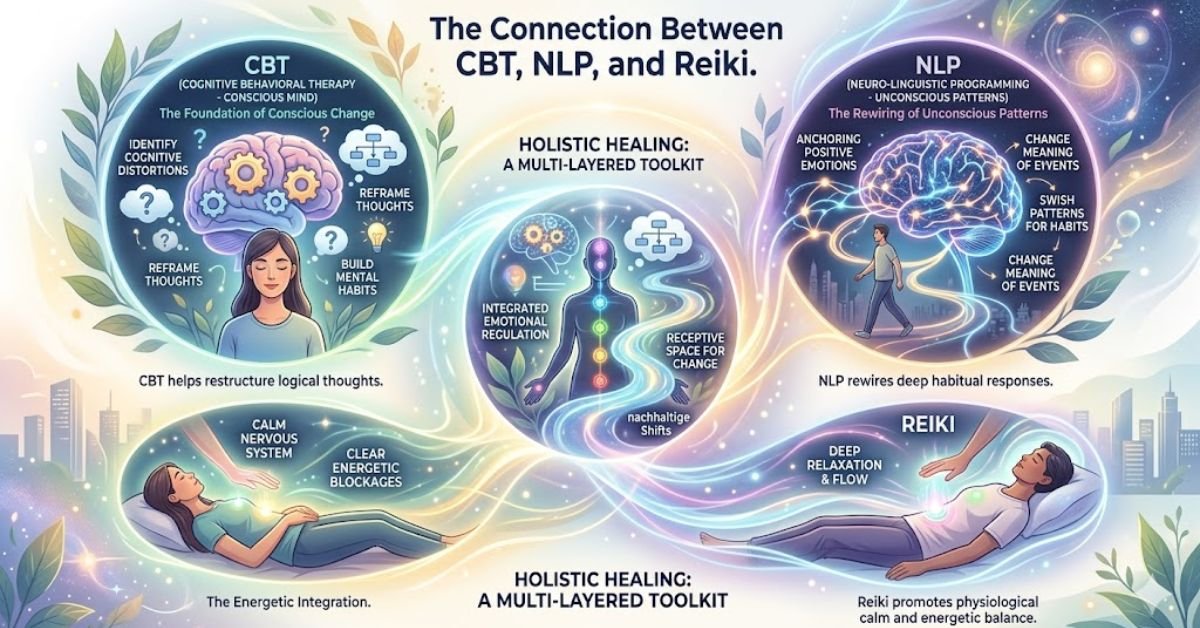
CBT asks:
“What am I thinking?”
NLP Helps You Change Internal Language
NLP asks:
“How am I describing this experience?”
Reiki Encourages Relaxation and Awareness
Reiki asks:
“How can I create space for calm and balance?”
Together these approaches support emotional recovery from different angles.
One focuses on thoughts.
One focuses on language.
One focuses on relaxation and awareness.
Practical Daily Habits for Emotional Recovery
Morning Check-In
Ask yourself:
What am I feeling today?
Naming emotions reduces emotional confusion.
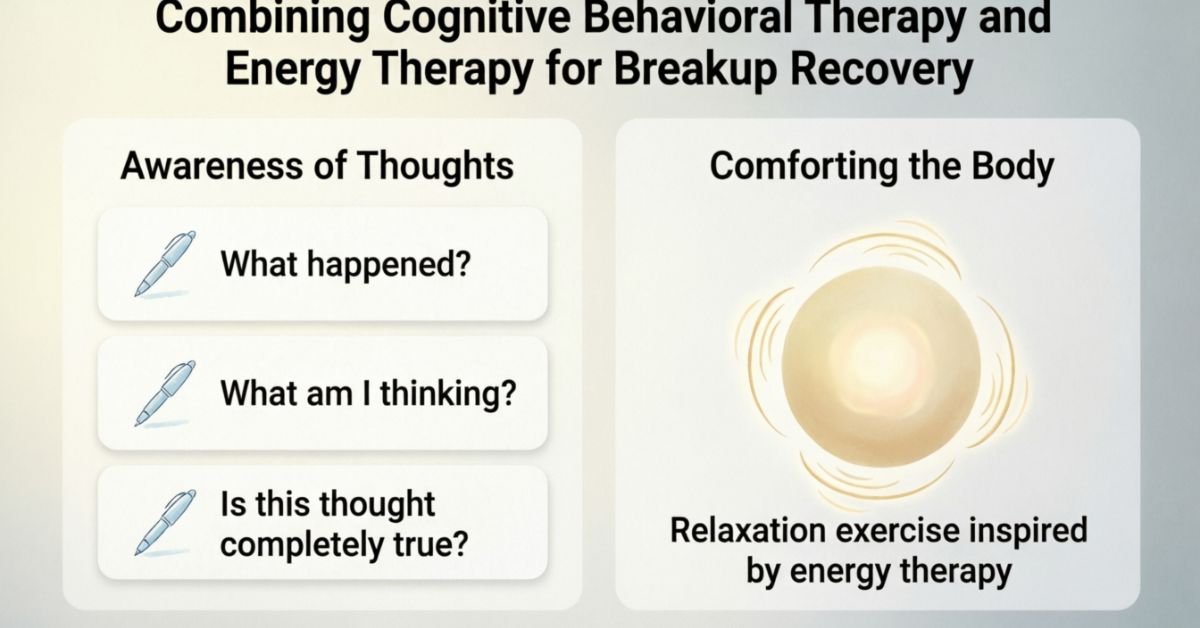
Thought Journaling
Write down recurring thoughts.
Challenge thoughts that are unrealistic or overly negative.
Self-Compassion Practice
Speak to yourself as you would speak to a close friend.
Gentle Movement
Walking, stretching, or exercise can help reduce stress.
Gratitude Reflection
List three positive experiences each day.
They do not need to be big.
Small moments matter.

Relaxation Time
Create space for breathing exercises, meditation, prayer, Reiki practice, or quiet reflection.
Consistency matters more than perfection.
The Moment Everything Changes
The turning point in healing often arrives when people stop asking:
“When will the pain disappear?”
And start asking:
“How can I live fully while healing?”
This shift changes everything.
The focus moves away from fighting emotions.
The focus moves toward building a meaningful life.
Ironically, this is often when pain begins losing its power.
Frequently Asked Questions
Is healing possible if I still feel emotional pain?
Yes.
Many people continue healing while occasionally experiencing sadness, grief, or emotional discomfort.
Healing and pain can coexist.
How long does emotional healing take?
There is no universal timeline.
Recovery depends on personal history, support systems, coping skills, and life circumstances.
Can CBT help after heartbreak?
Yes.
CBT can help identify unhealthy thought patterns that often increase emotional suffering after loss.
Can NLP improve emotional recovery?
NLP may help people become more aware of the language and beliefs influencing their emotional experiences.
Can Reiki remove emotional pain?
Reiki is generally used as a complementary wellness practice for relaxation and stress reduction.
Experiences vary from person to person.
Why do I still miss someone even though I am healing?
Missing someone is a normal human experience.
Healing does not require forgetting.
It requires learning how to move forward while carrying the lessons of the past.
Final Thoughts
Healing does not mean pain removal.
Healing means transformation.
It means learning to carry difficult experiences differently.
It means discovering strength you did not know existed.
It means understanding that scars are not signs of failure.
They are evidence of survival.
The goal is not to become someone who never feels pain.
The goal is to become someone who is no longer defined by it.
At HealOraCBT, we believe recovery happens one thought, one choice, one day, and one breath at a time.
Pain may still visit.
But it no longer gets to decide the direction of your life.
And that is where true healing begins.
Continue Reading
parison often creates unnecessary pressure.
You may see someone smiling online and assume they healed faster.
But every person carries a different history, personality, support system, and life experience.
Healing cannot be measured accurately through comparison.






Healing Rarely Happens Overnight | CBT, Neuroplasticity
[…] can feel confusing, but it is a normal nervous system response.Healing Rarely Happens […]