

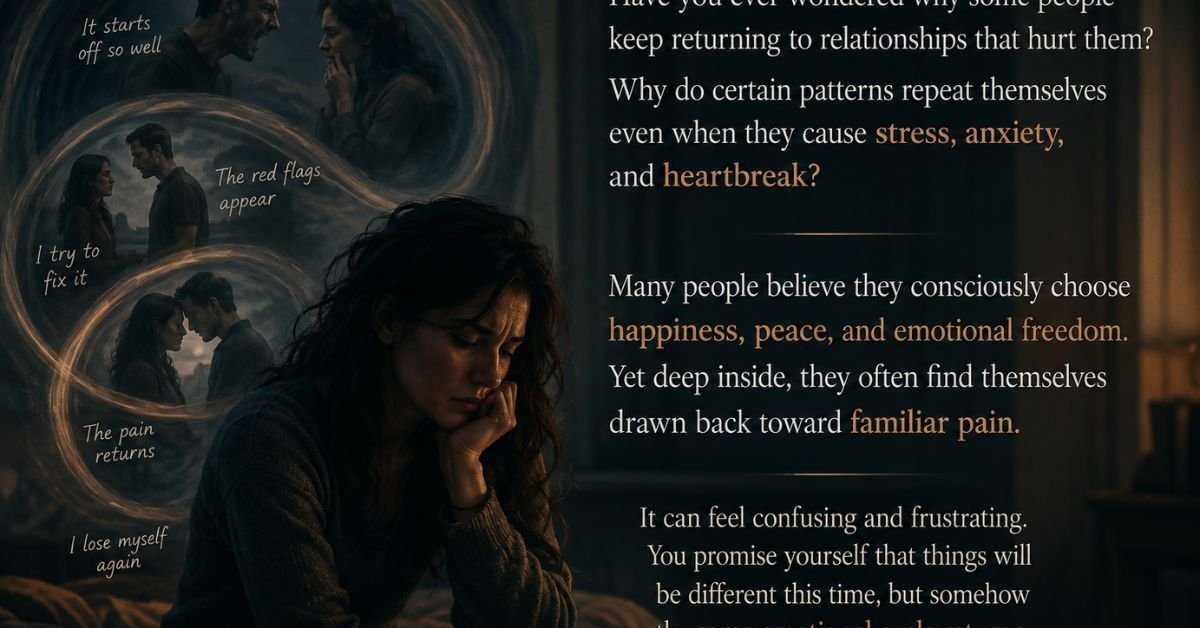
Have you ever wondered why some people keep returning to relationships that hurt them? Why do certain patterns repeat themselves even when they cause stress, anxiety, and heartbreak?
Thank you for reading this post; don't forget to subscribe!
Many people believe they consciously choose happiness, peace, and emotional freedom. Yet deep inside, they often find themselves drawn back toward familiar pain. This is a key part of Lisa’s 11-Day CBT & Neuro-Architecting Journey. You promise yourself that things will be different this time, but somehow the same emotional cycle returns.
Lisa’s 11-Day CBT & Neuro-Architecting Journey: Breaking the Cycle
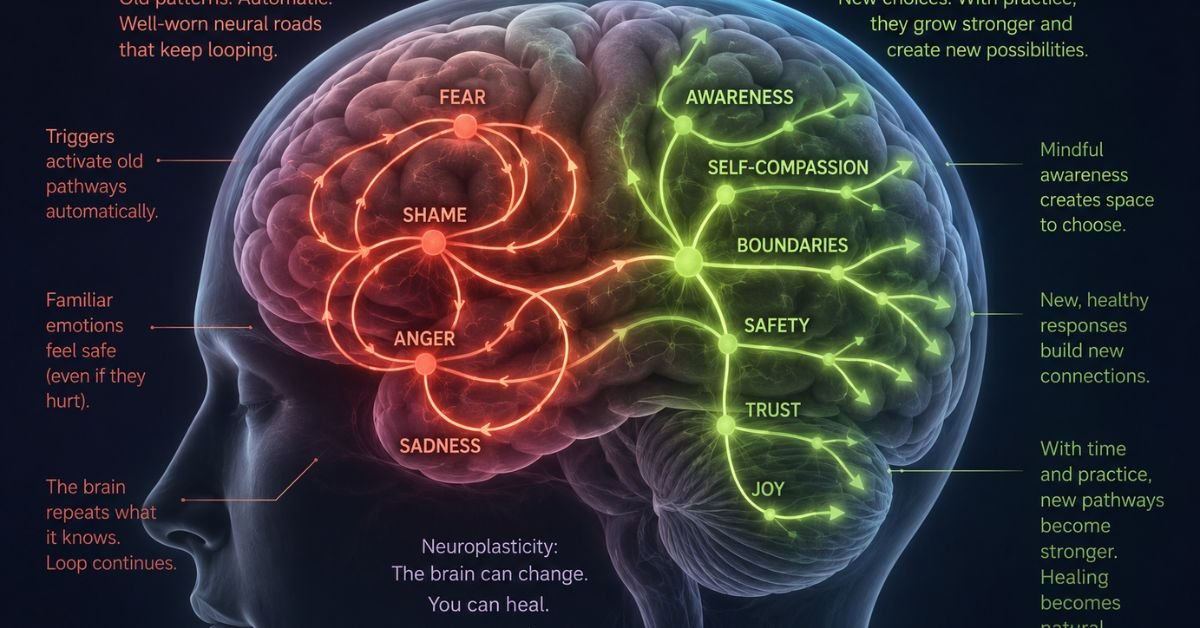
The truth is that emotional pain can become familiar. And what is familiar often feels safer than what is unknown. This does not mean people enjoy suffering. It means the human mind is wired to seek predictability, even when that predictability hurts.
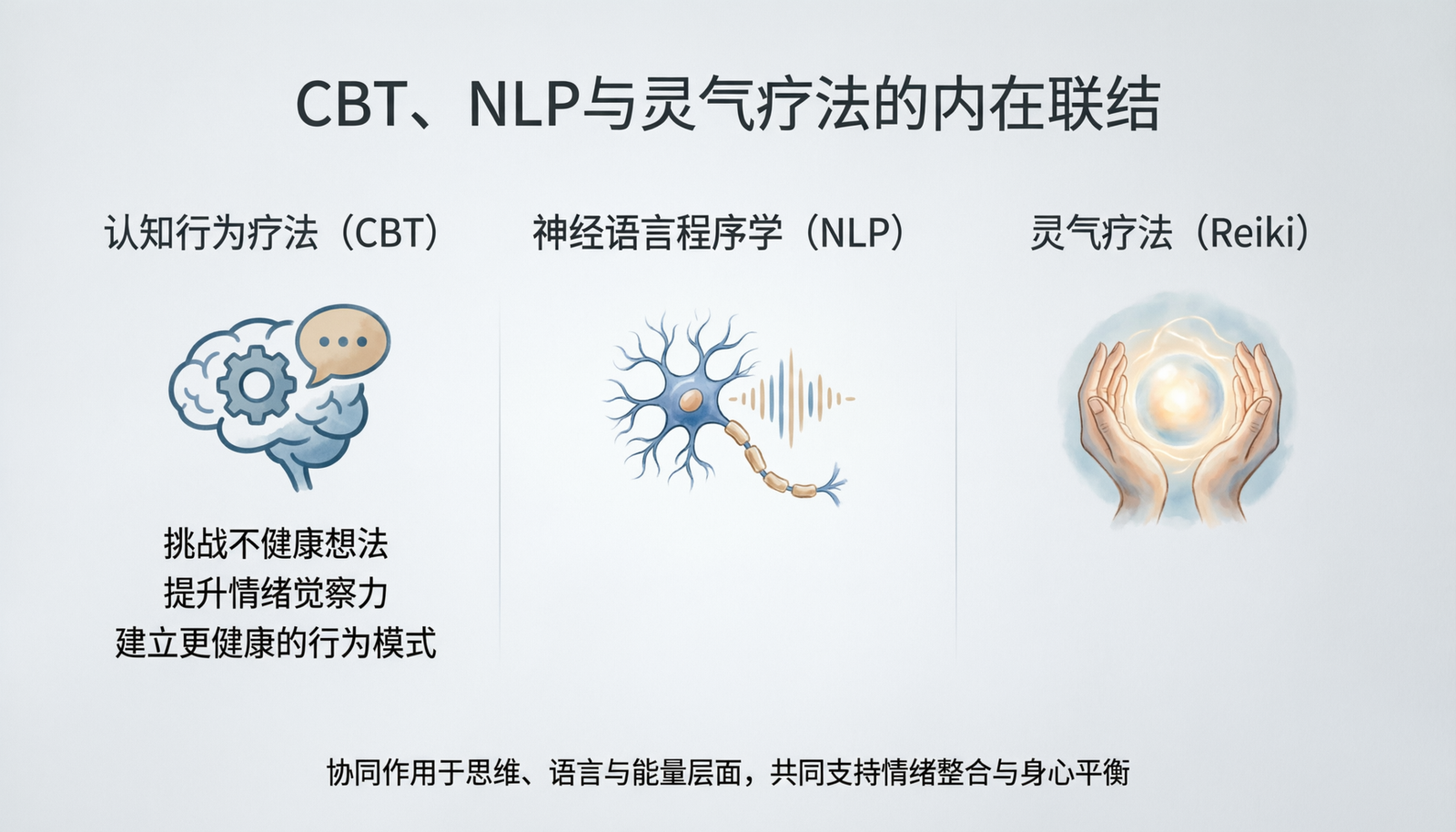
Understanding these patterns is the first step toward breaking them. In this guide, we will explore why we return to emotional pain, how the brain becomes attached to familiar emotional experiences, and how Cognitive Behavioral Therapy (CBT), Neuro-Linguistic Programming (NLP), and Reiki healing can support emotional recovery and inner peace. This transformation is at the heart of Lisa’s 11-Day CBT & Neuro-Architecting Journey.
Why We Return to Emotional Pain: Lisa’s 11-Day CBT & Neuro-Architecting Journey

Many people assume emotional suffering comes from external events alone. However, psychology suggests that repeated emotional pain often develops through learned patterns. During Lisa’s 11-Day CBT & Neuro-Architecting Journey, she learned that expectations become familiar emotional landscapes.
As adults, people may unconsciously seek situations that match those familiar feelings. Even when those experiences are painful, they feel known. The unknown, surprisingly, can feel more threatening than the familiar. This is one reason why people sometimes stay in unhealthy relationships, tolerate disrespect, or repeat self-destructive habits. Their nervous system recognizes the emotional environment, a concept explored deeply in Lisa’s 11-Day CBT & Neuro-Architecting Journey.
Lisa’s Story: The Pattern She Could Not Escape
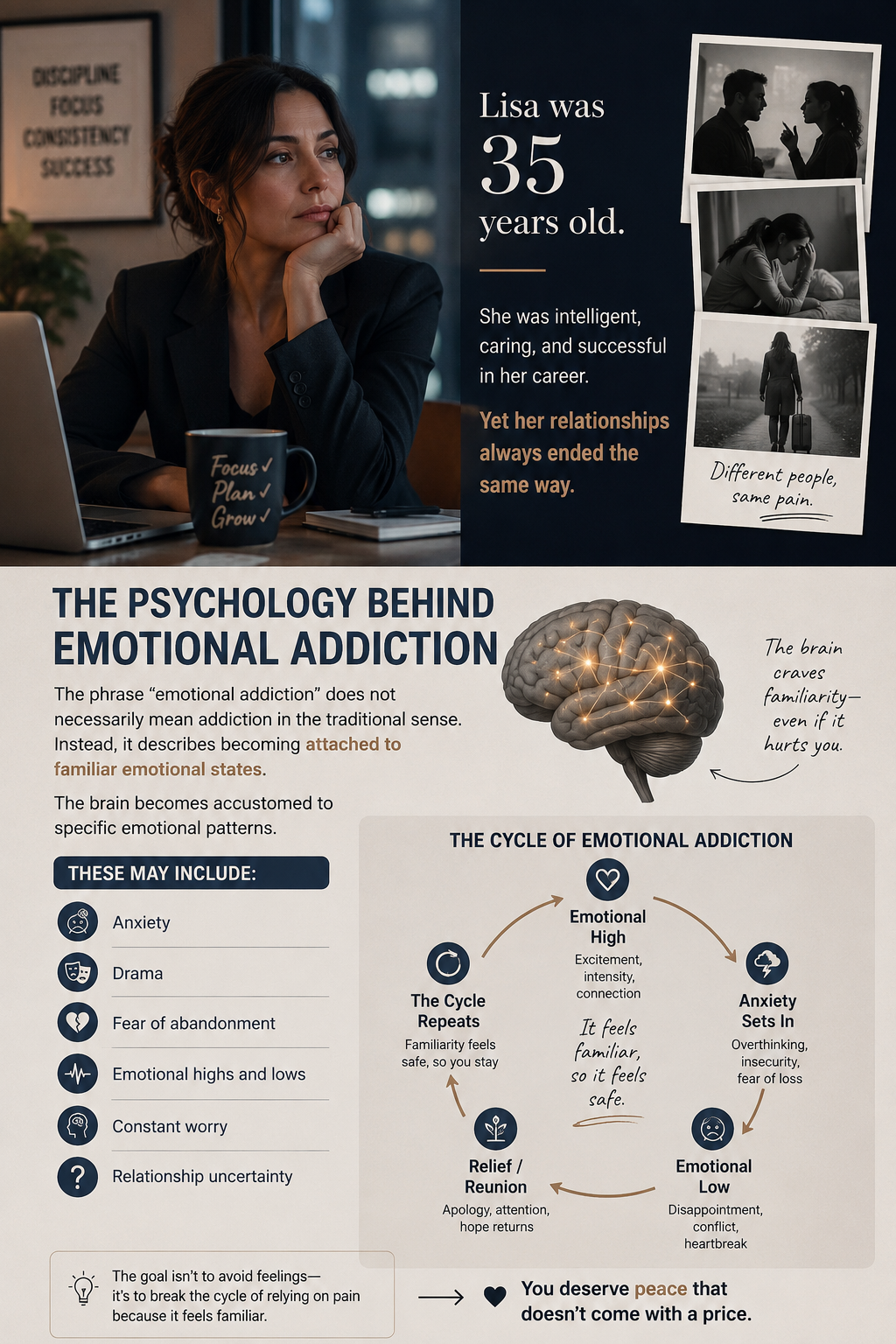
Lisa was 35 years old. She was intelligent, caring, and successful in her career. Yet her relationships always ended the same way. She consistently attracted emotionally unavailable partners. Every relationship started with excitement and ended with disappointment. Lisa’s 11-Day CBT & Neuro-Architecting Journey helped her realize she was replaying childhood emotional experiences.
The Psychology of Lisa’s 11-Day CBT & Neuro-Architecting Journey
The phrase “emotional addiction” describes becoming attached to familiar emotional states. Over time, these emotional experiences become normal. Calmness may even feel uncomfortable, a hurdle Lisa overcame during Lisa’s 11-Day CBT & Neuro-Architecting Journey. Stability may feel unfamiliar, but the nervous system can be retrained.
This explains why understanding why we return to emotional pain is so important. The pattern often operates below conscious awareness, but Lisa’s 11-Day CBT & Neuro-Architecting Journey brings it to light.
How CBT Helps Break Emotional Pain Cycles
What Is CBT in Lisa’s 11-Day CBT & Neuro-Architecting Journey?

CBT stands for Cognitive Behavioral Therapy. It focuses on the relationship between thoughts, feelings, and behaviors. When thoughts change, emotions and behaviors often change too, which is a primary goal of Lisa’s 11-Day CBT & Neuro-Architecting Journey.
Reframing Limiting Beliefs with Lisa’s 11-Day CBT & Neuro-Architecting Journey
CBT helps replace distorted beliefs with balanced perspectives. Instead of “I have to earn love,” Lisa practiced: “Healthy love does not require constant proving.” These new perspectives gradually reduced emotional suffering throughout Lisa’s 11-Day CBT & Neuro-Architecting Journey.
How NLP Supports Lisa’s 11-Day CBT & Neuro-Architecting Journey
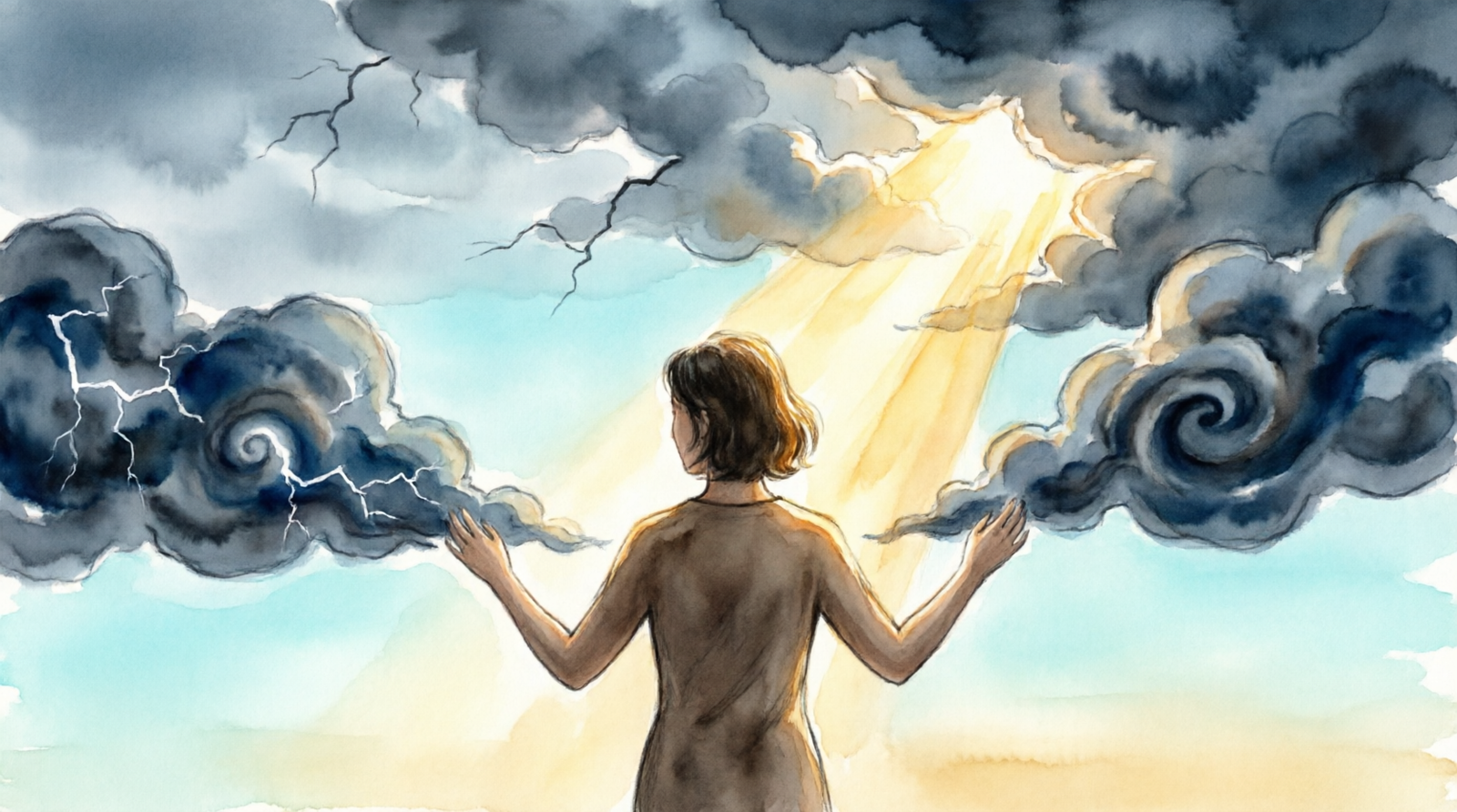
NLP focuses on how language and mental patterns influence emotions. Changing internal representations can create emotional shifts. Small language shifts, like those practiced in Lisa’s 11-Day CBT & Neuro-Architecting Journey, can influence long-term emotional patterns.
Reiki and Lisa’s 11-Day CBT & Neuro-Architecting Journey
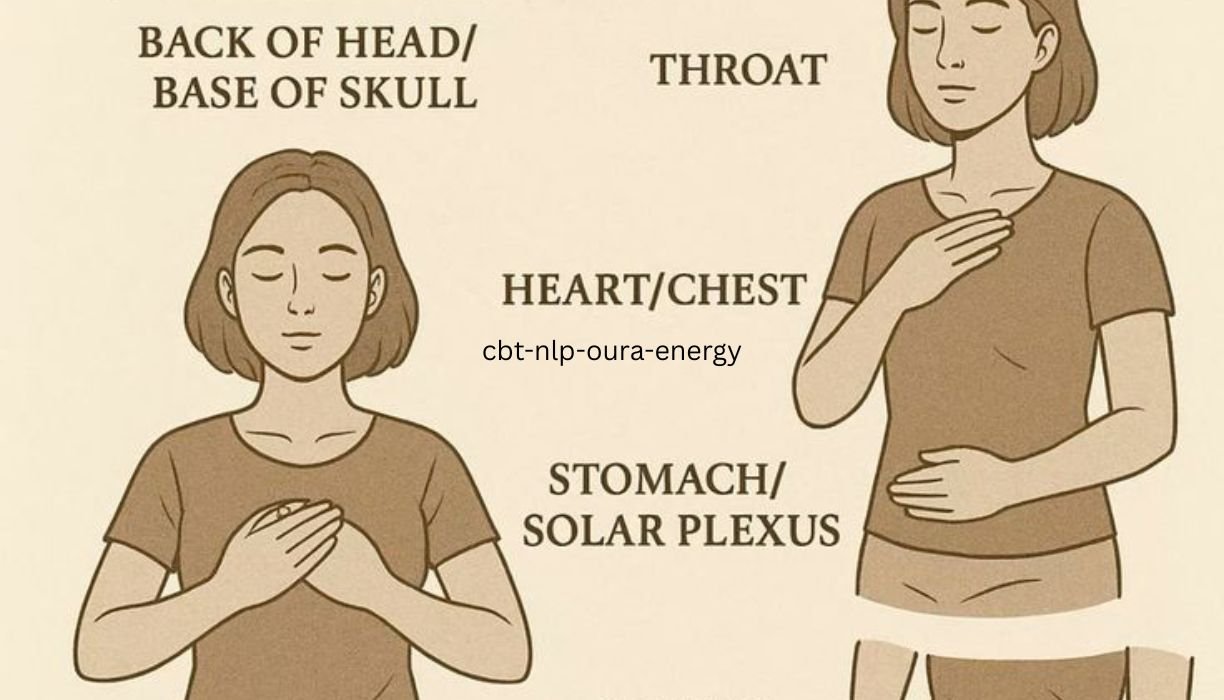
Reiki encourages deep relaxation and nervous system regulation. For Lisa, Reiki became a space where she could slow down and simply observe her pain, creating room for healing during Lisa’s 11-Day CBT & Neuro-Architecting Journey.
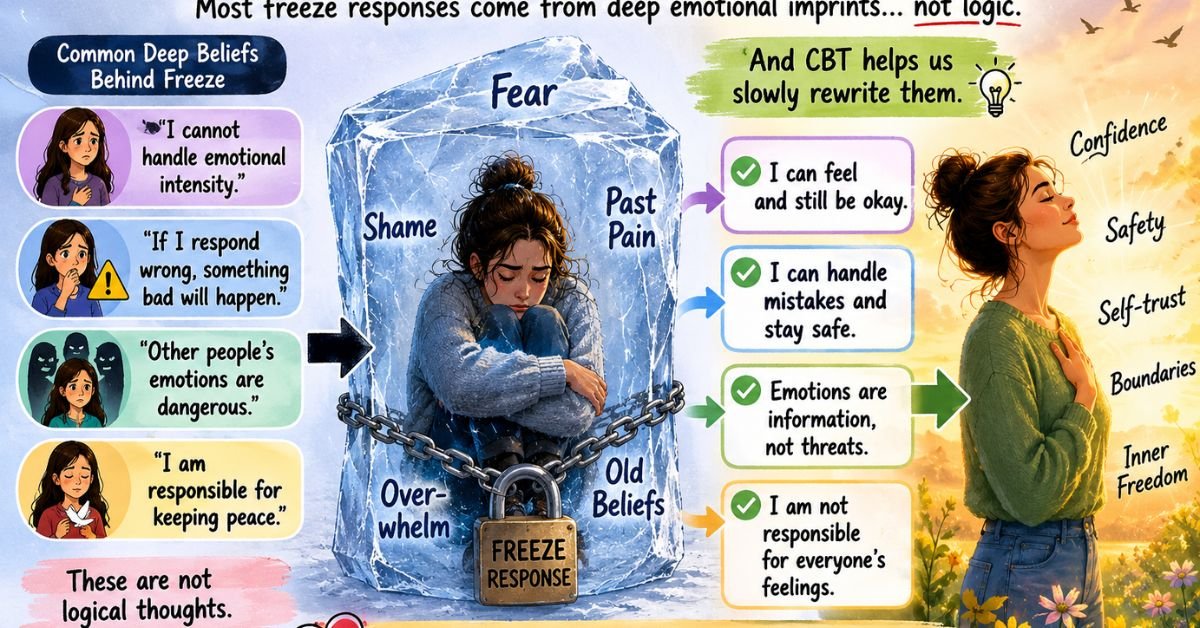
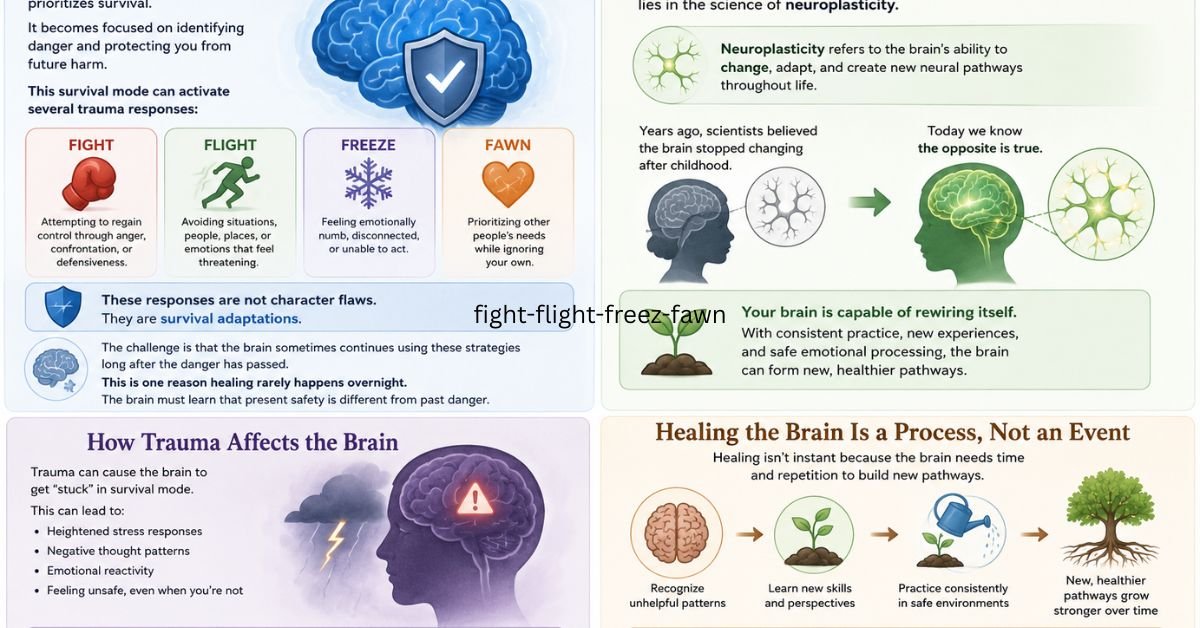
2. Emotional Memory Lives in the Body
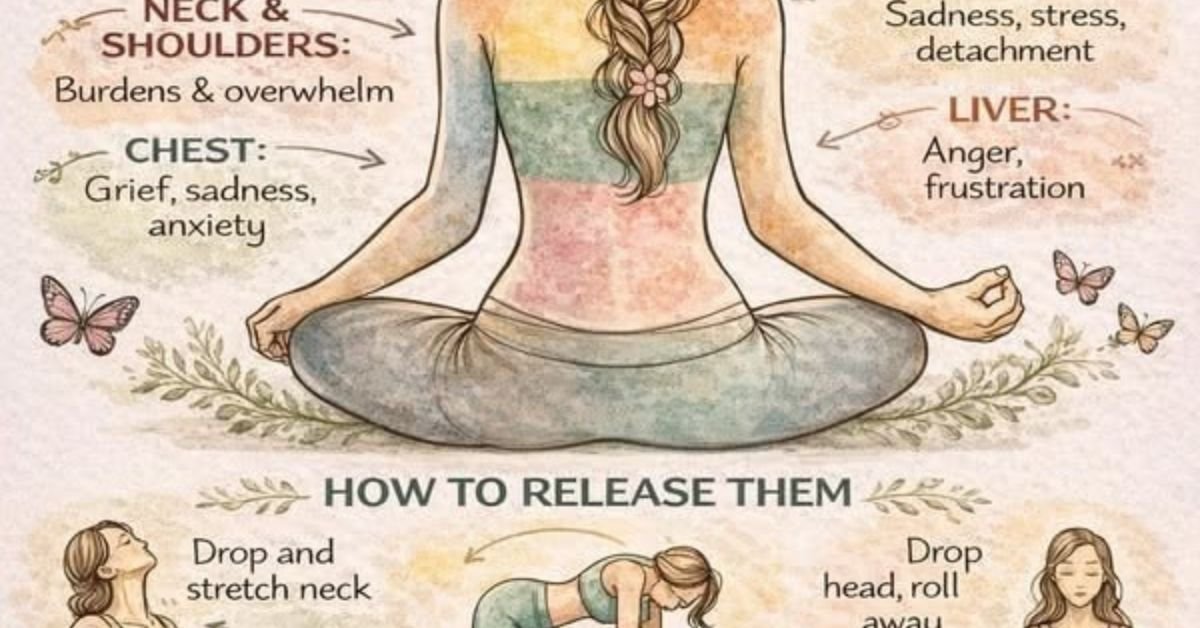
Even when your mind says “I’ve healed,” your body may still carry:
- fear of abandonment
- emotional hypervigilance
- attachment anxiety
- need for validation
These are not just thought they are stored emotional responses.
This is why logic alone often fails to break emotional cycles.
3. The Comfort of the Known Pain
There is a hidden psychological truth:
Familiar pain can feel safer than unfamiliar peace.
Why?
Because peace feels uncertain. And uncertainty activates anxiety.
So the mind sometimes chooses:
- predictable emotional pain
over - unknown emotional stability
CBT Perspective: Breaking the Thought Loop
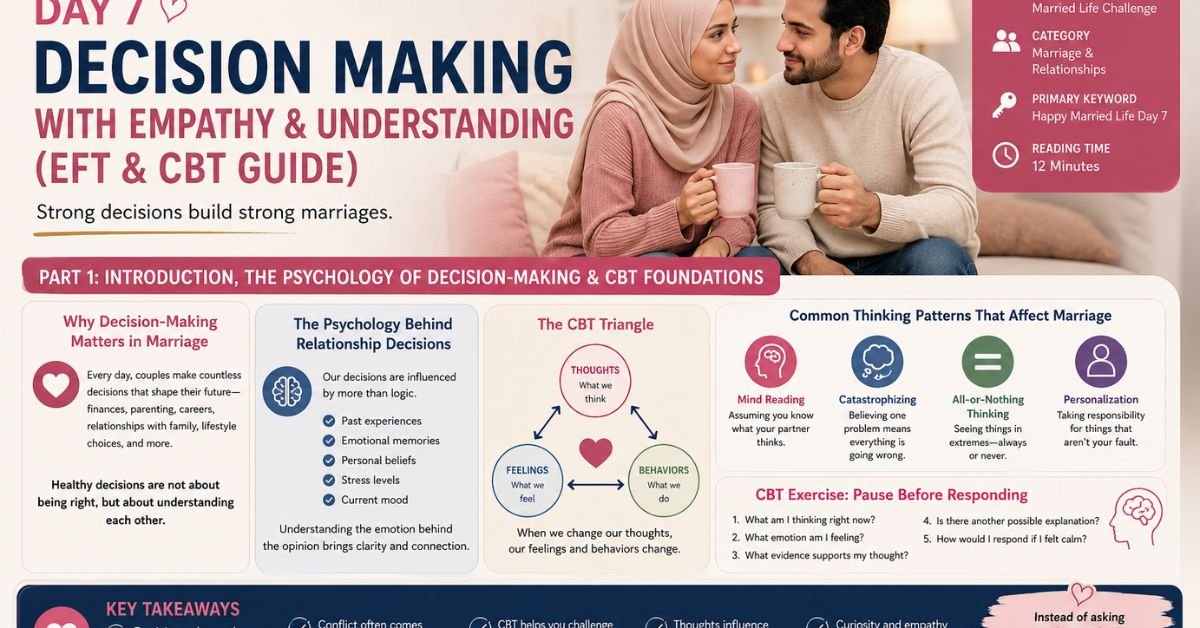
CBT (Cognitive Behavioral Therapy) focuses on how thoughts create emotions and behaviors.
In emotional repetition cycles, CBT identifies three key patterns:
1. Core Beliefs
These are deep internal narratives like:
- “I am not enough.”
- “Love must be earned.”
- “People always leave.”
These beliefs silently guide relationship choices.
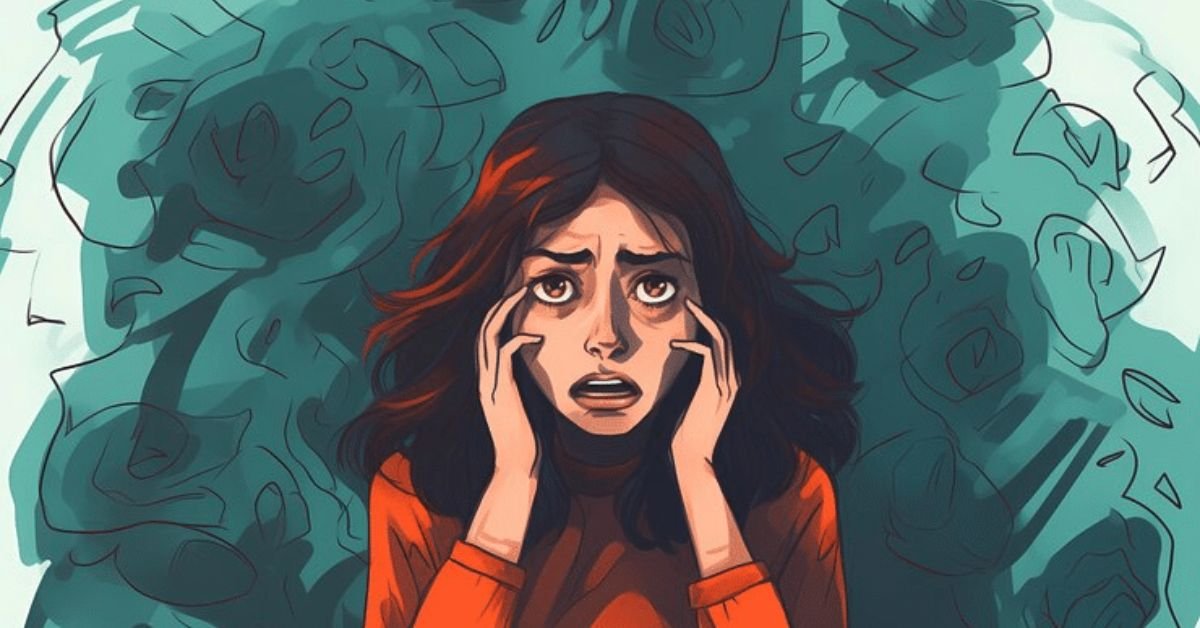
2. Cognitive Distortions
Common distortions include:
- emotional reasoning (“I feel rejected, so I am rejected”)
- overgeneralization (“This always happens to me”)
- selective memory (only remembering emotional pain)
3. Behavioral Reinforcement
Each time you return to a painful pattern, your brain reinforces:
“This is how relationships work.”
CBT Healing Shift
CBT helps you interrupt this cycle by asking:
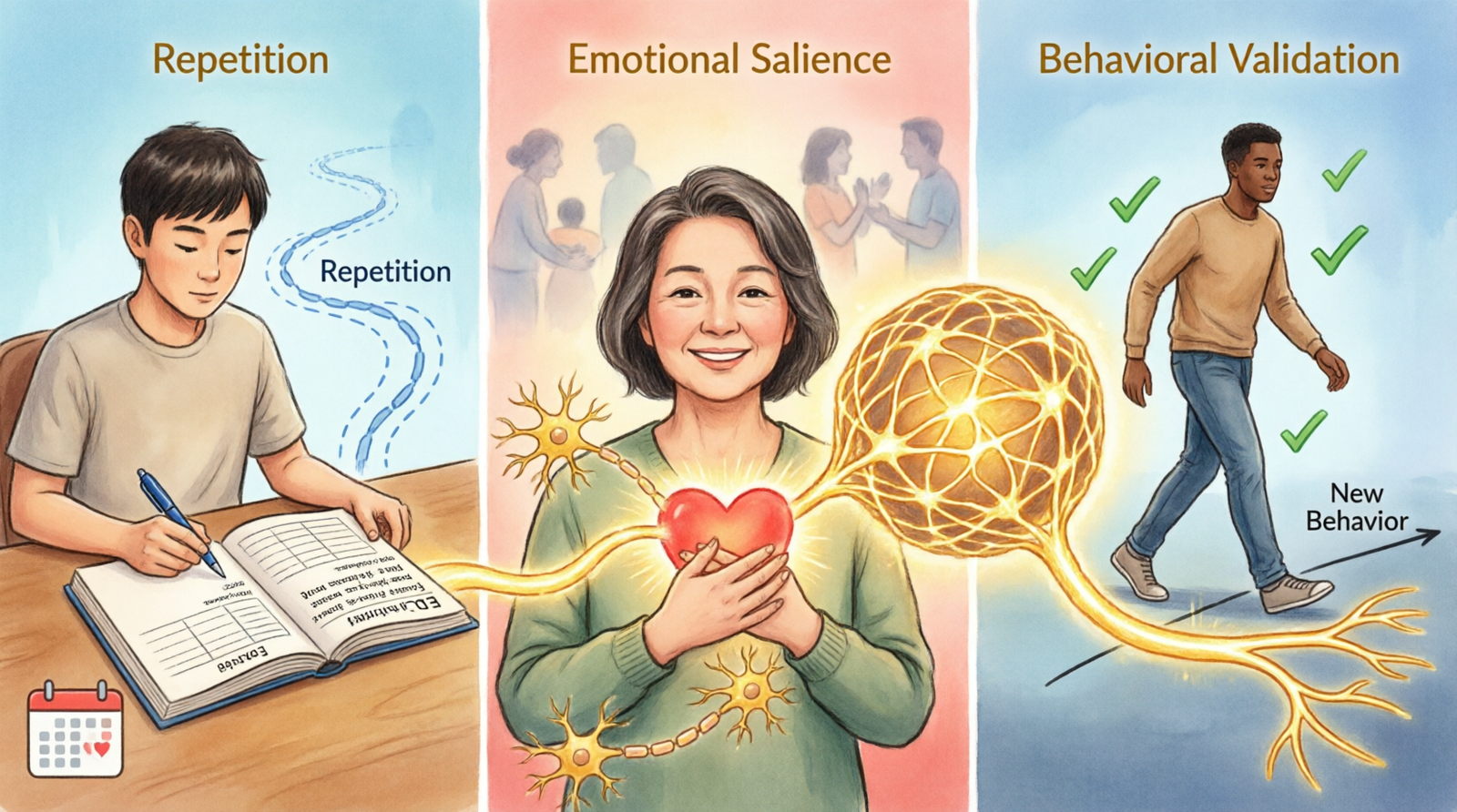
- Is this thought based on fact or fear?
- What evidence contradicts this belief?
- What would I think if I felt safe?
Over time, this rewires emotional interpretation
NLP Perspective: Rewriting Emotional Programming
NLP (Neuro-Linguistic Programming) focuses on how language and mental patterns shape emotional reality.
From an NLP perspective, emotional pain cycles are learned programs, not identity.
1. Anchoring Emotional States
Your brain links emotions to:
- tone of voice
- words
- memories
- relationship patterns
For example:
If love was once unpredictable, your brain may anchor “love = anxiety.”
2. Subconscious Repetition
NLP suggests the subconscious mind repeats what is familiar until it is consciously rewritten.
So even when you consciously want peace, your subconscious may still choose intensity.
3. Reframing Meaning
One of NLP’s most powerful tools is reframing:
Instead of:
- “I always get hurt”
You shift to:
- “My system is still learning what safe love feels like.”
NLP Healing Shift
You begin replacing identity-based pain with pattern-based understanding.
Reiki-Inspired Energy Awareness: Emotional Energy Release

Reiki is often used as an energy-based healing practice focusing on emotional balance, relaxation, and energetic flow.
While it is not a medical treatment, many people use it as a supportive emotional grounding tool alongside psychological methods.
1. Emotional Energy Stagnation
Unprocessed emotions can feel like:
- heaviness in the chest
- tightness in the throat
- fatigue after emotional triggers
In energy-based healing perspectives, this is seen as blocked emotional flow.
2. The Role of Calm Awareness
Reiki practice often encourages:
- stillness
- breathing awareness
- emotional observation without resistance
This creates space between emotion and reaction.
3. Nervous System Regulation
Whether viewed spiritually or psychologically, calm focused practices can help:
- reduce stress response
- increase emotional regulation
- support inner grounding
Reiki Healing Shift
Instead of fighting emotions, you learn to observe them and allow them to move through.
Why We Keep Returning (The Integration Truth)
When CBT, NLP, and emotional awareness are combined, a clearer picture emerges:
We return to emotional pain because:
- the brain seeks familiarity (CBT perspective)
- the subconscious repeats learned patterns (NLP perspective)
- the nervous system confuses intensity with safety
- emotional energy remains unprocessed and reactive
It is not one cause—it is a layered system.
The Turning Point in Healing
Healing does not begin when pain disappears.
It begins when you say:
“I notice this pattern—but I don’t have to live inside it.”
The shift happens when:
- awareness replaces autopilot
- response replaces reaction
- observation replaces attachment
Practical Healing Integration Steps
1. Pause Before Pattern
When triggered, ask:
- “Is this familiar or healthy?”
2. Name the Emotion
Instead of becoming the emotion, name it:
- “This is anxiety, not truth.”
3. Rewrite the Thought (CBT + NLP)
- Old: “I will be abandoned again.”
- New: “I am learning emotionally safe connections.”
4. Ground the Body
- deep breathing
- slow movement
- sensory awareness
5. Emotional Release Space
- journaling
- silence
- reflective time
FAQs
Q1: Why do I keep going back to emotionally painful relationships?
Because your nervous system may associate emotional intensity with familiarity and safety, even when it is unhealthy.
Q2: Can CBT really help break emotional cycles?
Yes. CBT helps identify and restructure automatic thought patterns that reinforce emotional repetition.
Q3: What does NLP do in emotional healing?
NLP helps reprogram subconscious beliefs and language patterns that shape emotional responses.
Q4: Is Reiki scientifically proven?
Reiki is not medically proven as a treatment, but many people use it as a relaxation and emotional calming practice alongside therapy.
Q5: How long does it take to break emotional patterns?
It varies. Emotional rewiring depends on awareness, consistency, and nervous system regulation over time.
Conclusion
Returning to emotional pain is not random—it is patterned.
It is the result of:
- learned emotional survival strategies
- subconscious belief systems
- nervous system memory
- unprocessed emotional energy
Healing is not about erasing the past. It is about updating your internal system so the past no longer defines your present choices.
You don’t stop returning to pain by forcing yourself away from it.
You stop returning when your system finally learns:
“Safety feels unfamiliar—but it is still safe.”
Final Thought
You are not repeating pain because you want it.
You are repeating it because your mind once learned it as a form of connection.
But learning can be rewritten.
And what was once familiar pain can slowly become unfamiliar—and no longer necessary.





Leave a Reply