



The Myth of Instant Recovery
Thank you for reading this post; don't forget to subscribe!
Many people begin their healing journey expecting dramatic improvements within days or weeks. When they continue experiencing anxiety, emotional triggers, or difficult memories, they often assume something is wrong.
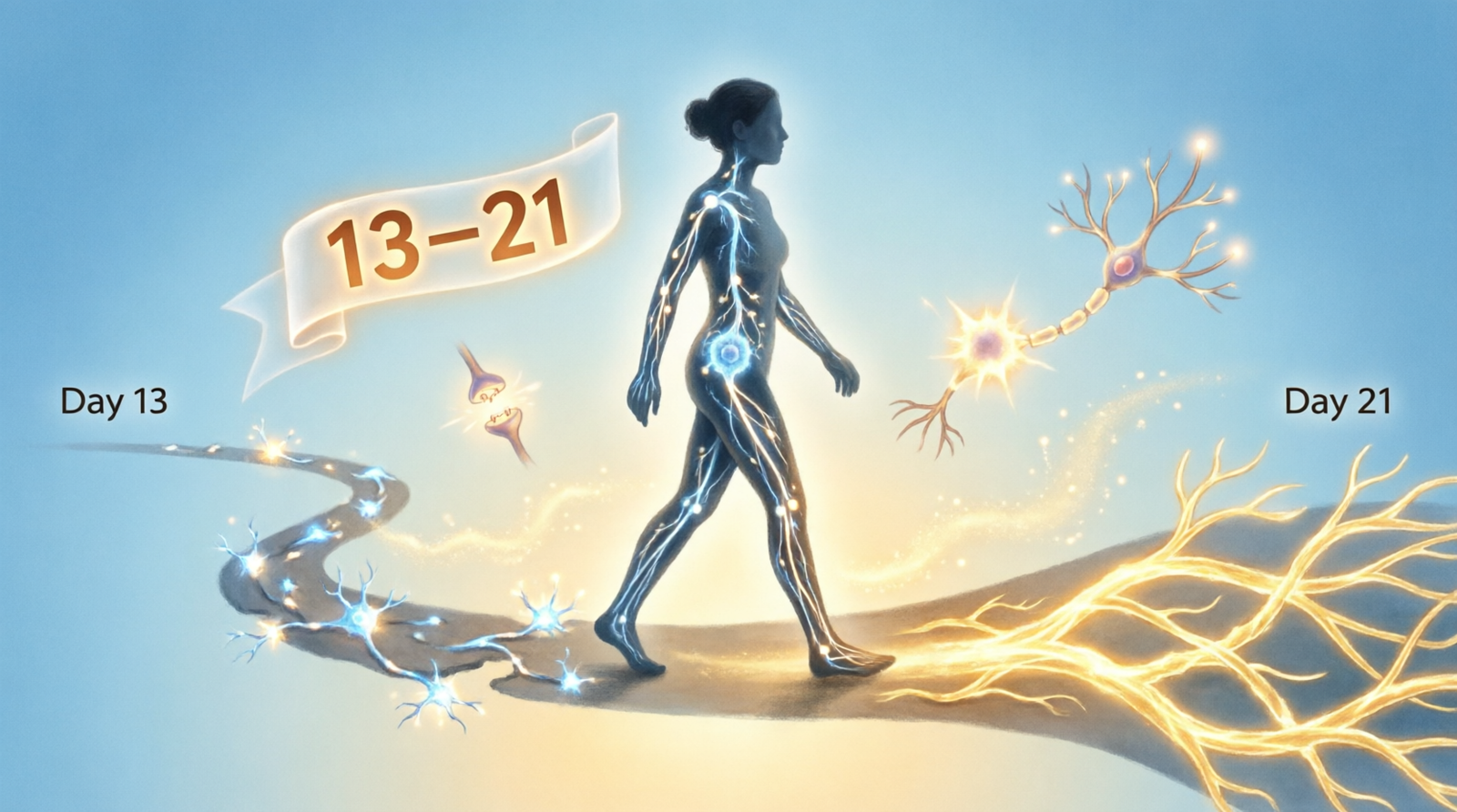
In reality, healing is usually gradual.
Trauma changes patterns within the brain and nervous system. Just as these patterns developed over time, recovery often requires consistent practice and patience.
Think about learning a new language or developing a new skill. Progress rarely happens all at once. Instead, improvement comes from small steps repeated consistently.
The same principle applies to emotional healin The Myth of Instant Recovery cbt nlp Eft guide
A person may not notice major changes from one day to the next. However, when they look back after several months, they often realize they are responding differently to situations that once felt overwhelming.Healing Rarely Happens Overnight The Myth of Instant Recovery part 2
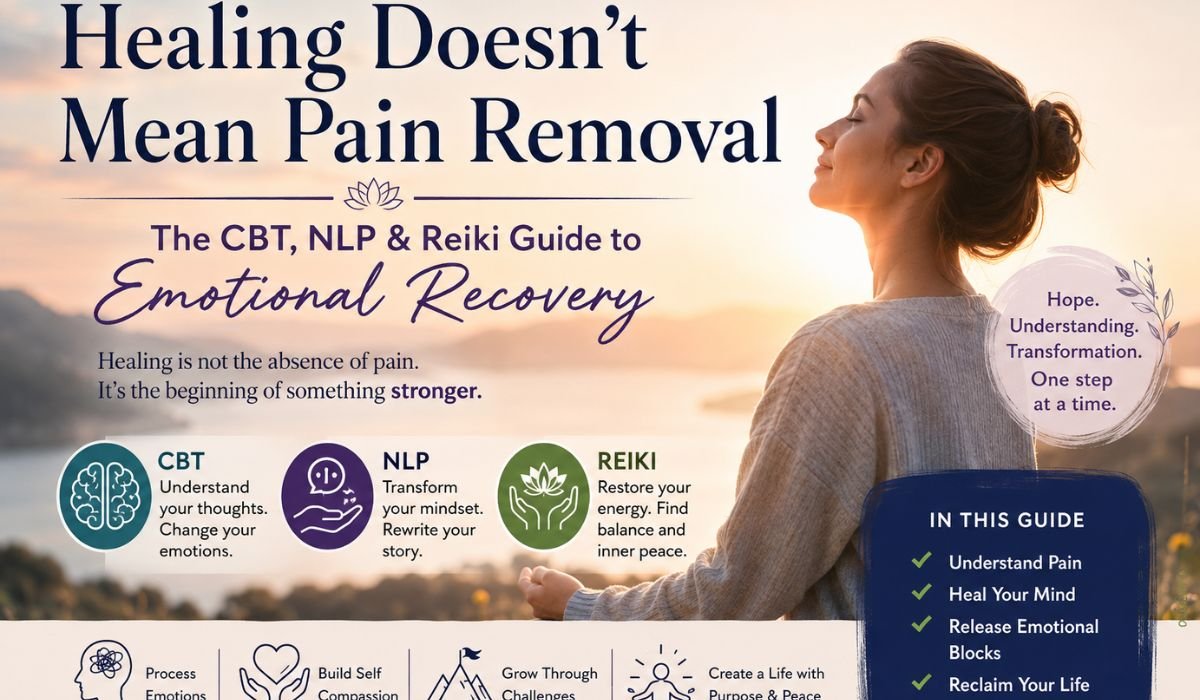
What Real Recovery Looks Like
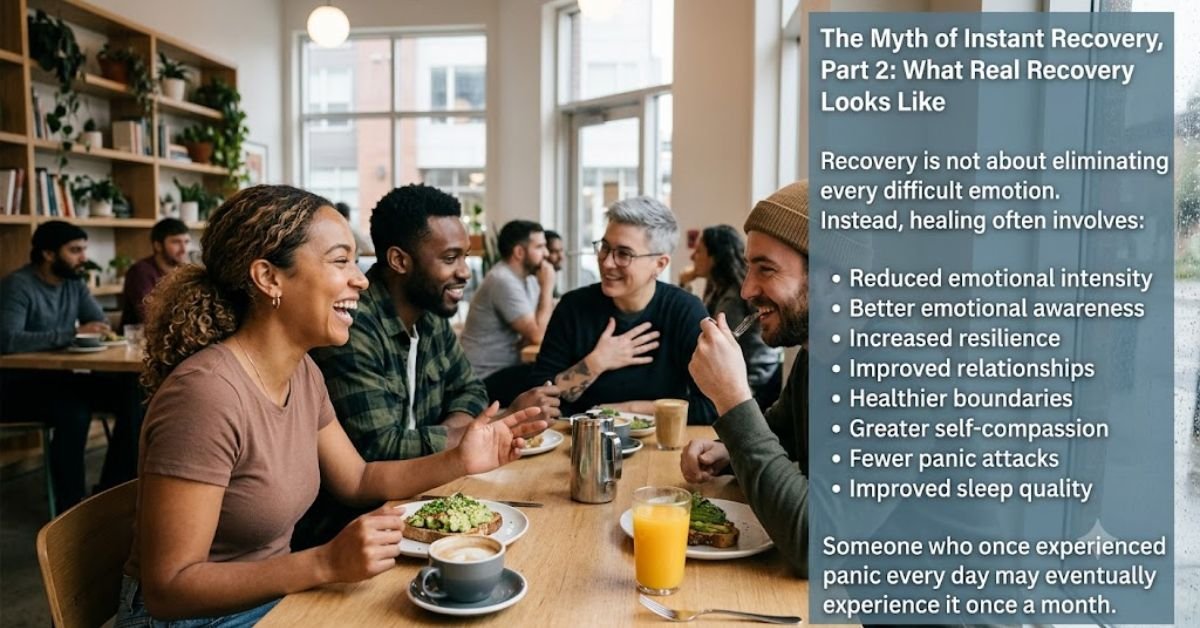
Recovery is not about eliminating every difficult emotions The Myth of Instant Recovery part 2
Instead, healing often involves:
- Reduced emotional intensity
- Better emotional awareness
- Increased resilience
- Improved relationships
- Healthier boundaries
- Greater self-compassion
- Fewer panic attacks
- Improved sleep quality
Someone who once experienced panic every day may eventually experience it once a monthThe Myth of Instant Recovery part 2
Someone who once avoided social situations may gradually regain confidence.
Someone who once believed they were permanently damaged may begin seeing themselves as resilient and capable.
These changes may seem small, but they represent significant progressThe Myth of Instant Recovery part 2

trapped.
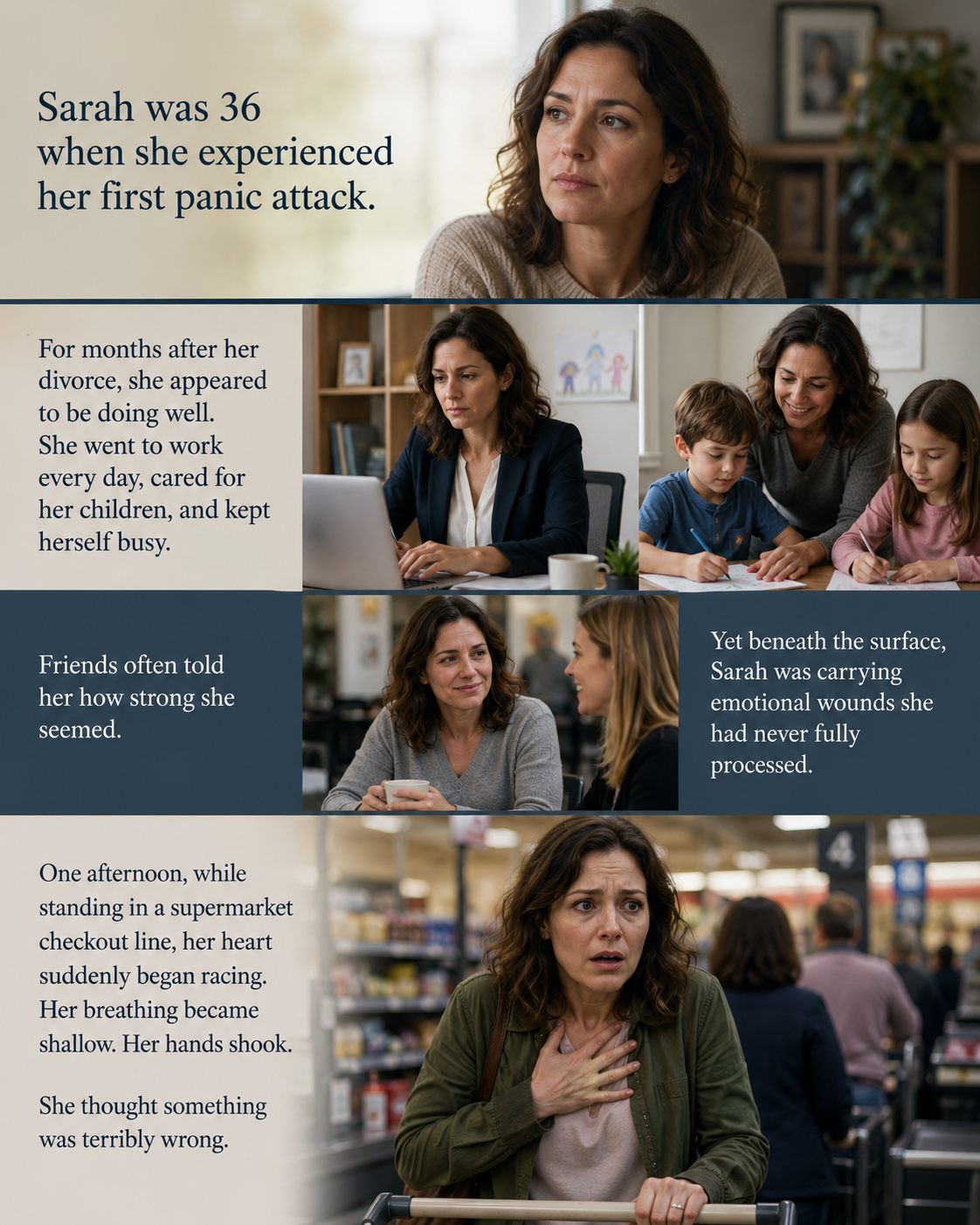
The Panic Attacks Begin
The turning point came after a stressful period at work.The Myth of Instant Recovery cbt nlp Eft guide
One afternoon, Sarah experienced her first panic attack.
Her heart raced.
She felt dizzy.
Her chest tightened.
She became convinced something was seriously wrong.
Emergency medical evaluations found no physical explanation.
Yet the panic continued.
Soon she found herself avoiding crowded places and constantly monitoring her body for signs of danger.
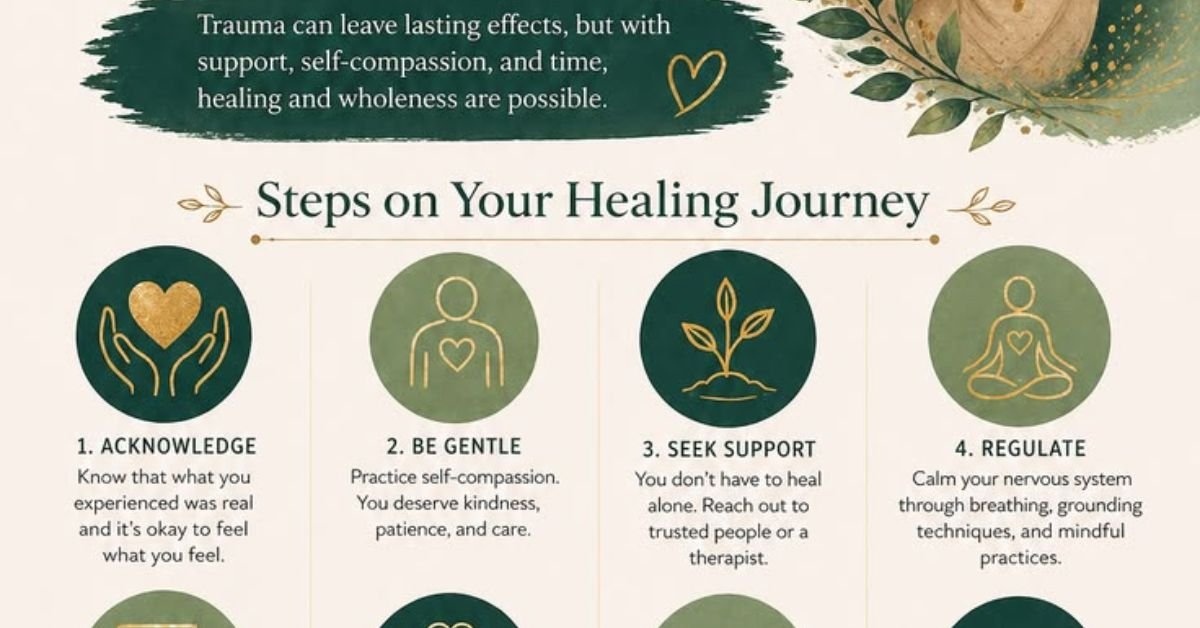
Discovering CBT
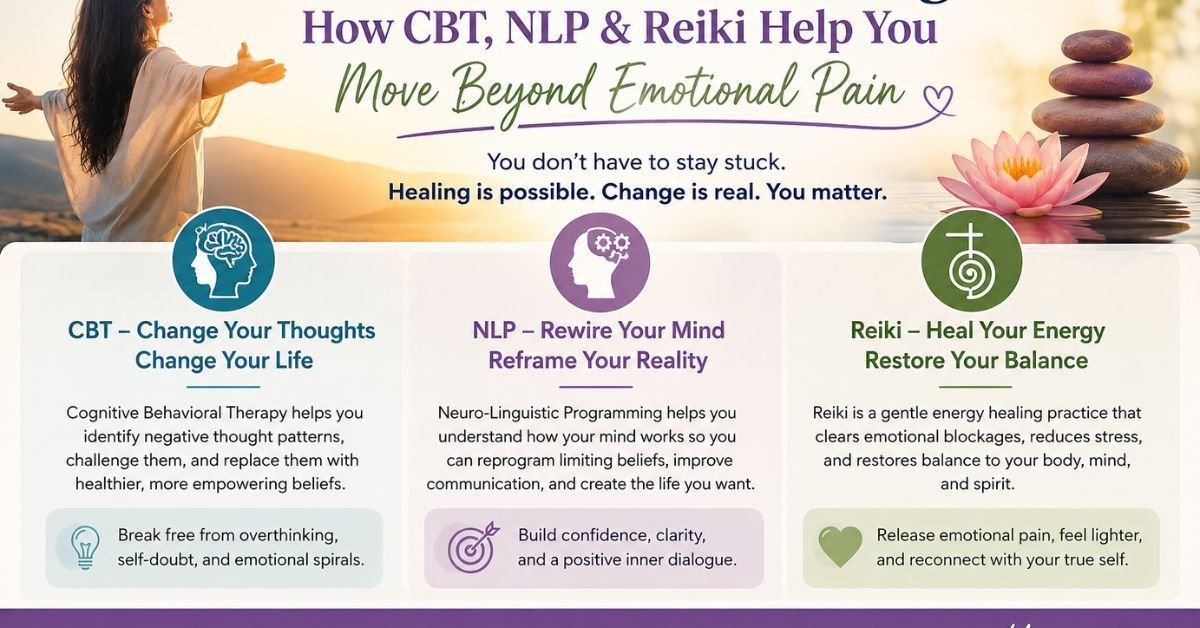
Eventually, Sarah learned about CBT.
At first, she was skeptical.
How could changing thoughts possibly help emotions that felt so overwhelming?The Myth of Instant Recovery cbt nlp Eft guide
However, she began noticing recurring patterns.
Whenever she experienced physical discomfort, she immediately assumed catastrophe.
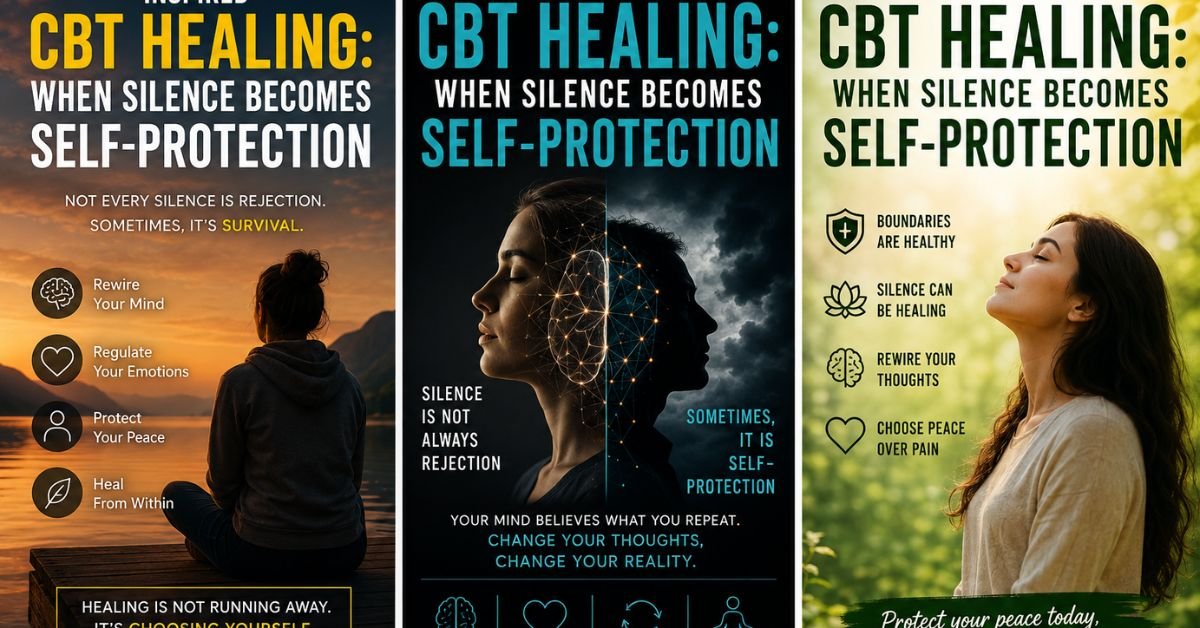
Whenever someone seemed distant, she assumed rejection.The Myth of Instant Recovery cbt nlp Eft guide
Through CBT, she learned to examine these assumptions more carefully.
She began asking:
- What evidence supports this thought?
- What evidence contradicts it?
- Is there another possible explanation?
Over time, these questions helped reduce the intensity of her anxiety.
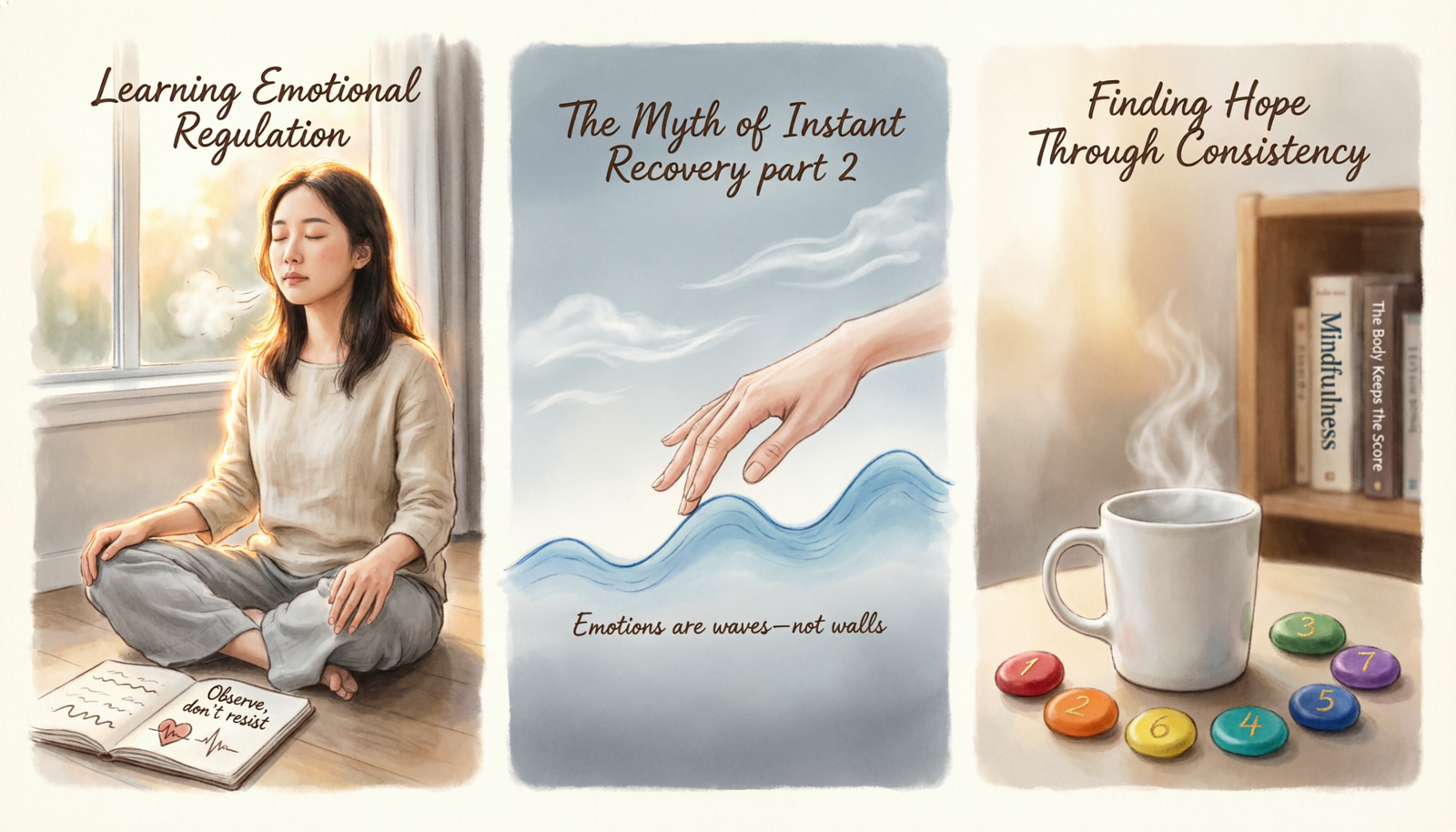
Learning Emotional Regulation
Sarah also started practicing grounding exercises.
Instead of fighting anxiety, she learned to observe itt The Myth of Instant Recovery part 2
She discovered that emotions behaved more like waves than permanent states.
The more she practiced staying present, the less frightening her symptoms became.The Myth of Instant Recovery cbt nlp Eft guide
Finding Hope Through Consistency
Progress was not linear.
Some weeks felt easier than others.
There were setbacks.
There were frustrating days.
But there was also growth.
After several months, Sarah noticed something remarkable.The Myth of Instant Recovery cbt nlp Eft guide
She was no longer organizing her entire life around fear.
The anxiety had not completely disappeared.
Yet it no longer controlled every decision she made.
For the first time in years, she felt hopeful.
Her story reflects an important reality:
Healing does not require perfection.
It requires persistence.
A Daily Healing Routine Inspired by HealOraCBT

Recovery is often supported by small daily habits.
The following routine combines evidence-based principles with practical self-care strategies.
Morning Routine
Identify One Thought
Begin each day by noticing one recurring thought.The Myth of Instant Recovery cbt nlp Eft guide
Examples:
- “Today will be stressful.”
- “I won’t handle this well.”
- “Something bad will happen.”
Simply becoming aware of the thought is an important first step.
Practice a CBT Reframe
Ask yourself:
- Is this thought completely accurate?
- What evidence supports it?
- What evidence challenges it?
Create a balanced alternative.The Myth of Instant Recovery cbt nlp Eft guide
Example:
Original Thought:
“I cannot handle today.”
Balanced Thought:
“I have handled difficult days before, and I can take this one step at a time.”
Set a Daily Intention
Choose a simple intention.
Examples:
- Practice patience.
- Focus on progress.
- Treat myself with kindness.
During Moments of Anxiety
Ground Yourself
Notice:
- Five things you can see
- Four things you can touch
- Three things you can hear
- Two things you can smell
- One thing you can taste
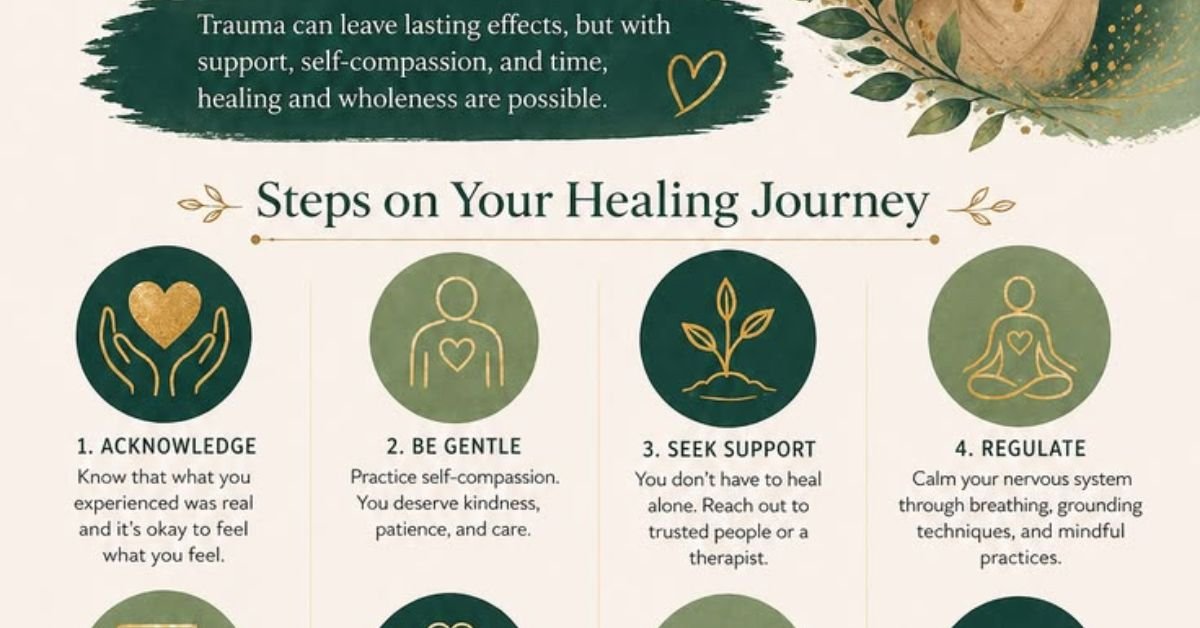
This technique helps redirect attention to the present moment.
Slow Breathing
Practice slow breathing patterns.The Myth of Instant Recovery cbt nlp Eft guide
For example:
- Inhale for 4 seconds
- Hold for 4 seconds
- Exhale for 6 seconds
Gentle breathing can help reduce nervous system activation.
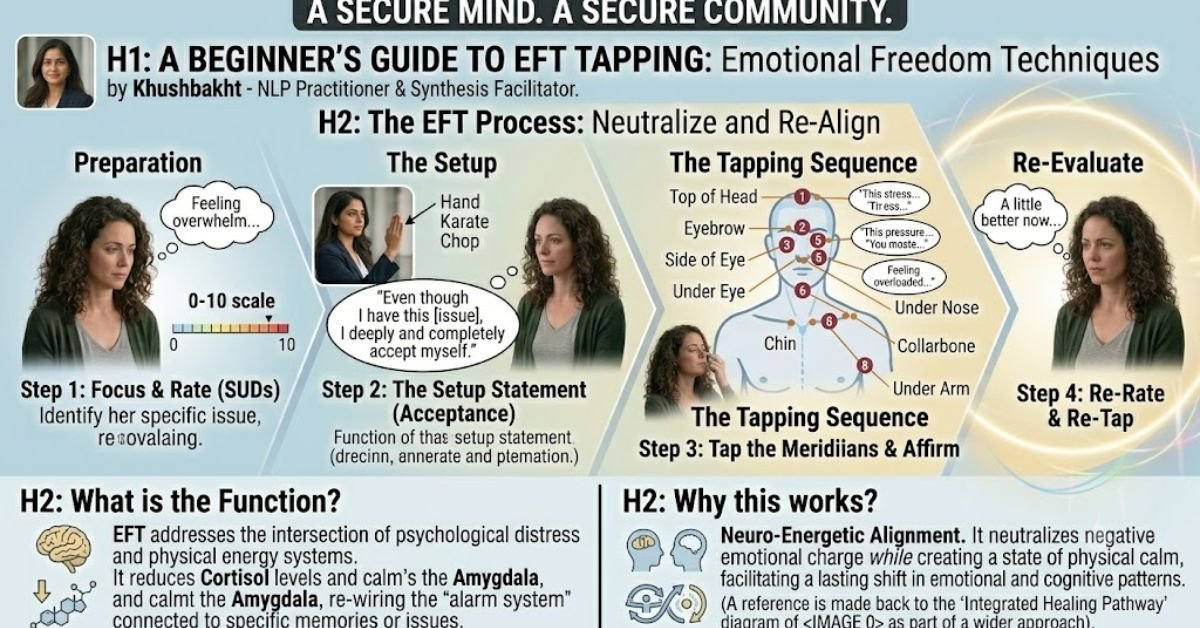
EFT Tapping Practice
Some people find EFT tapping helpful during periods of heightened stress.
Use it as a complementary strategy while focusing on the emotions you are experiencing.
Evening Routine
Reflect on the Day
Ask yourself:
- What went well?
- What challenged me?
- What did I learn?
Journal Emotional Triggers
Notice recurring patterns.
Awareness often precedes change.
Practice Gratitude
Identify three things you appreciate.The Myth of Instant Recovery cbt nlp Eft guide
They do not need to be significant.
Small moments matter.
Common Mistakes During Trauma Recovery
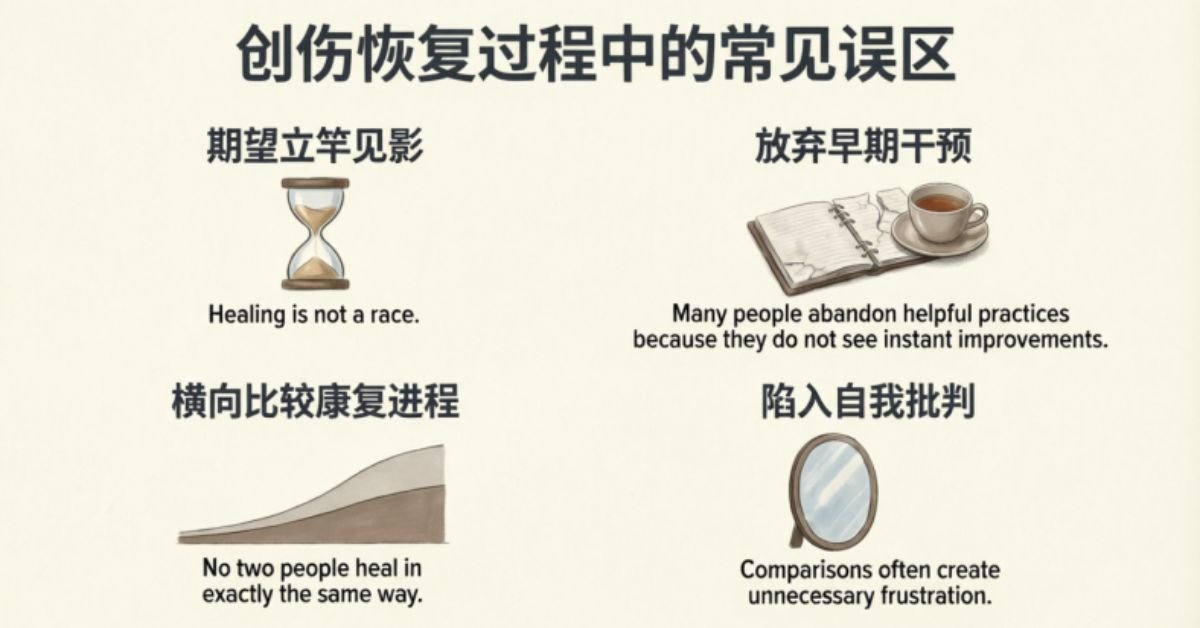
Expecting Immediate Results
Healing is not a race.
Many people abandon helpful practices because they do not see instant improvements.
Lasting change often develops gradually.
Comparing Recovery Journeys
No two people heal in exactly the same way.
Comparisons often create unnecessary frustration.
Focus on your own progress.
Avoiding Difficult Emotions
Many people try to escape emotional pain.
Unfortunately, avoidance often strengthens fear.
Learning to acknowledge emotions without becoming overwhelmed is an important skill.
Seeking Perfection
Recovery is not about becoming perfect.
It is about becoming more resilient, flexible, and self-aware.
Progress matters more than perfection.
Ignoring Physical Health
Sleep, nutrition, exercise, and social connection all influence emotional well-being.
Mental health and physical health are deeply interconnected.
What Science Says About Hope
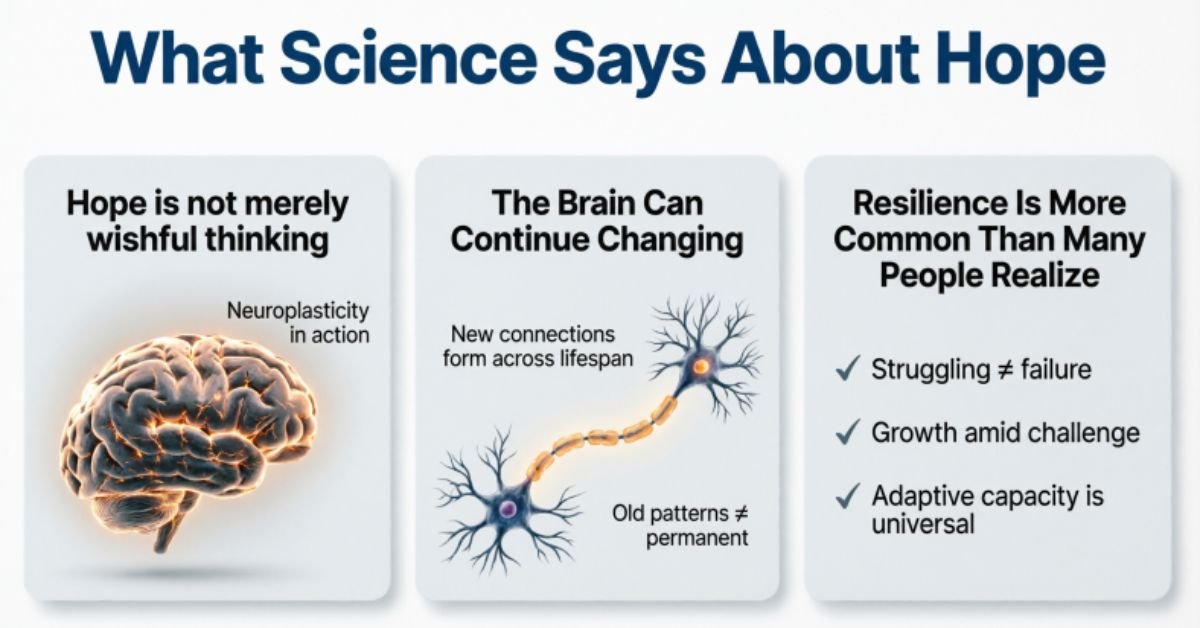
Hope is not merely wishful thinking.
Research increasingly suggests that humans possess remarkable capacities for adaptation and growth.
The Brain Can Continue Changing
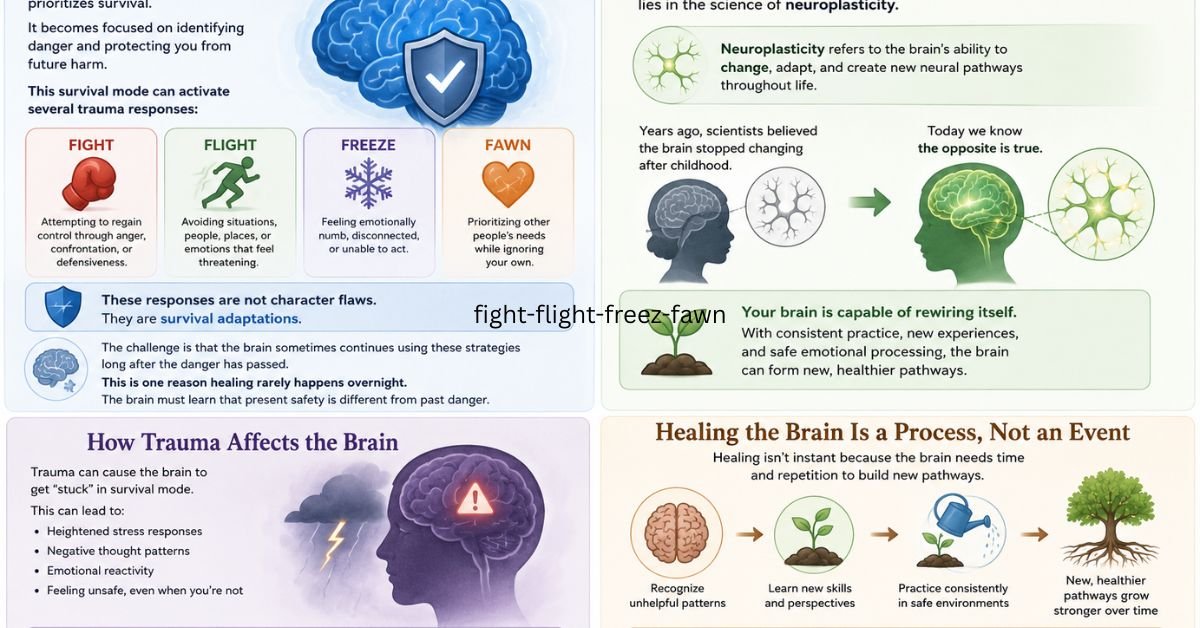
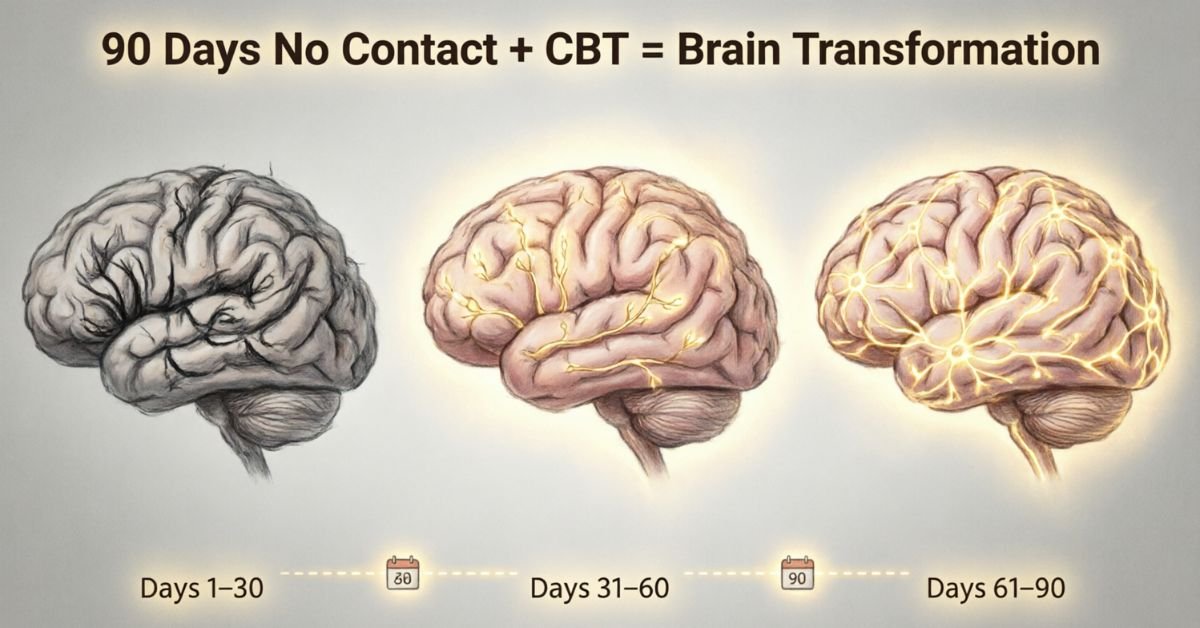
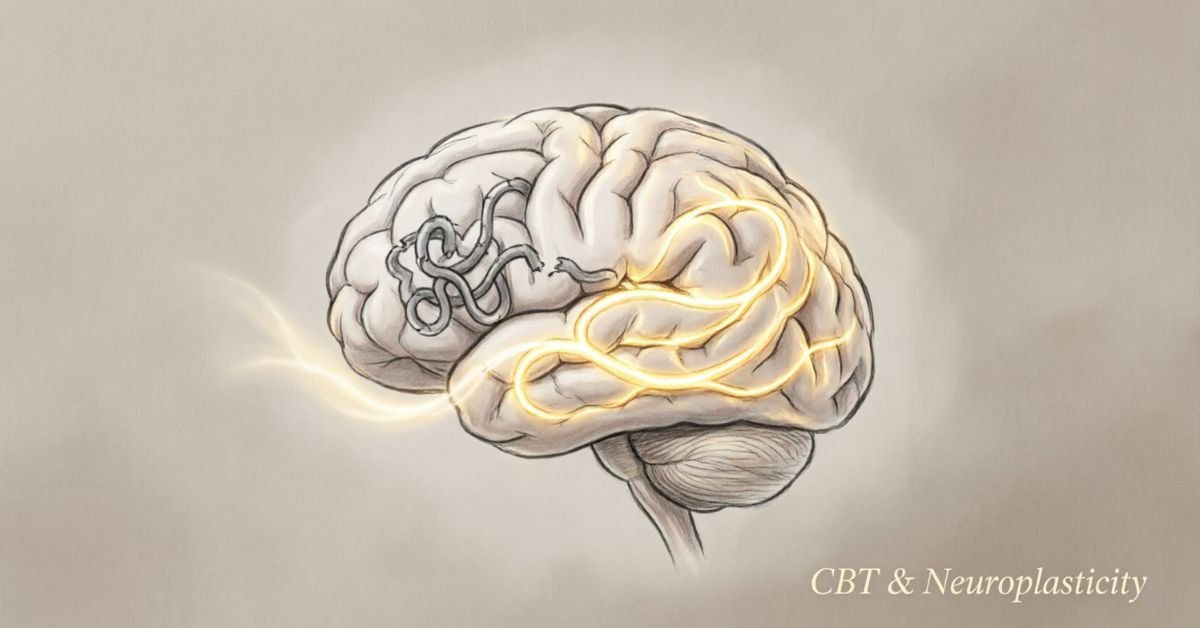
Neuroplasticity demonstrates that the brain remains capable of forming new connections throughout life.
This means that old patterns are not necessarily permanent.
People can learn new ways of responding to stress, relationships, and emotional challenges.
Resilience Is More Common Than Many People Realize
Resilience does not mean never struggling.
It means continuing to move forward despite challenges.
Many trauma survivors eventually develop greater emotional awareness, empathy, and personal strength through their healing journey.
Small Changes Create Larger Changes
A single healthy habit may seem insignificant.
However, repeated actions accumulate over time.
Every balanced thought.
Every grounding exercise.
Every moment of self-compassion.
Every healthy choice.
These small actions can gradually create meaningful transformation.
Frequently Asked Questions
Is trauma recovery really possible?
Yes. While healing looks different for everyone, many people experience significant improvements in emotional well-being, relationships, and daily functioning over time.
How does CBT help with trauma recovery?
CBT helps individuals identify and challenge unhelpful thought patterns that may contribute to anxiety, fear, and emotional distress.
Can EFT tapping reduce anxiety?
Some research suggests EFT may help reduce anxiety and stress for certain individuals. It is generally viewed as a complementary approach rather than a replacement for professional treatment.
What is neuroplasticity?
Neuroplasticity is the brain’s ability to adapt and form new neural connections throughout life.
Can CBT and EFT be used together?
Many people combine CBT strategies with EFT tapping as part of a broader self-care or therapeutic plan.
Does NLP help change negative beliefs?
Some people find NLP-inspired techniques helpful for reframing beliefs and improving self-awareness, although scientific support for NLP varies.
Why do panic attacks sometimes appear after trauma?
Trauma survivors often remain in survival mode during difficult experiences. Symptoms may emerge later when the brain begins processing unresolved emotional stress.
How long does trauma recovery take?
There is no universal timeline. Recovery depends on many factors, including personal history, support systems, coping skills, and treatment approaches.
Conclusion
Trauma can leave deep emotional wounds, but it does not have to determine the rest of your life.
Modern research continues to show that the brain can adapt, emotional patterns can change, and healing is possible. Approaches such as CBT, emotional regulation skills, healthy coping strategies, and supportive relationships can all contribute to recovery.
Healing rarely happens overnight.
There may be setbacks.
There may be difficult days.
There may be moments when progress feels invisible.
Yet every small step matters.
Every balanced thought.
Every act of self-care.
Every moment of courage.
These actions gradually create the foundation for lasting change.
At HealOraCBT, we believe that understanding the science behind healing can transform fear into hope. Recovery is not about becoming who you were before trauma. It is about discovering that growth, resilience, and meaning are still possible moving forward.
Believe me, trauma recovery is possible and your healing journey can begin with the next small step you take today.













Leave a Reply