

In our fast-paced modern world, stress has become an almost constant companion. Whether it is looming work deadlines, personal obligations, or the general uncertainty of life, chronic stress can take a significant toll on your physical and mental health.7 Powerful Ways to Manage Stress
Thank you for reading this post; don't forget to subscribe!
The good news? You don’t have to be a victim of your own stress response. By integrating actionable strategies—including principles from Cognitive Behavioral Therapy (CBT)—you can regain control, reduce anxiety, and foster long-term resilience.
1. Cognitive Reframing (The CBT Approach)
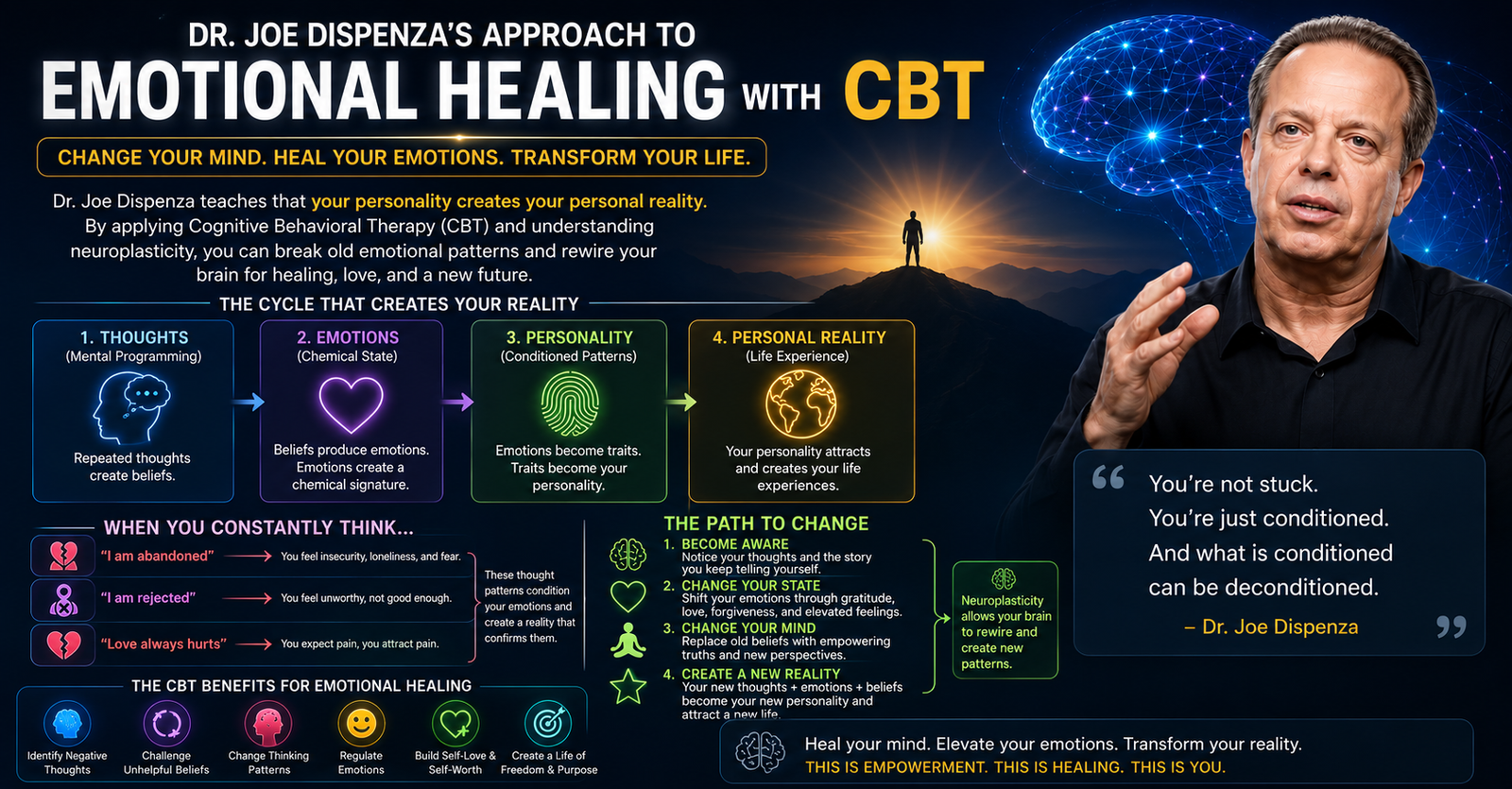
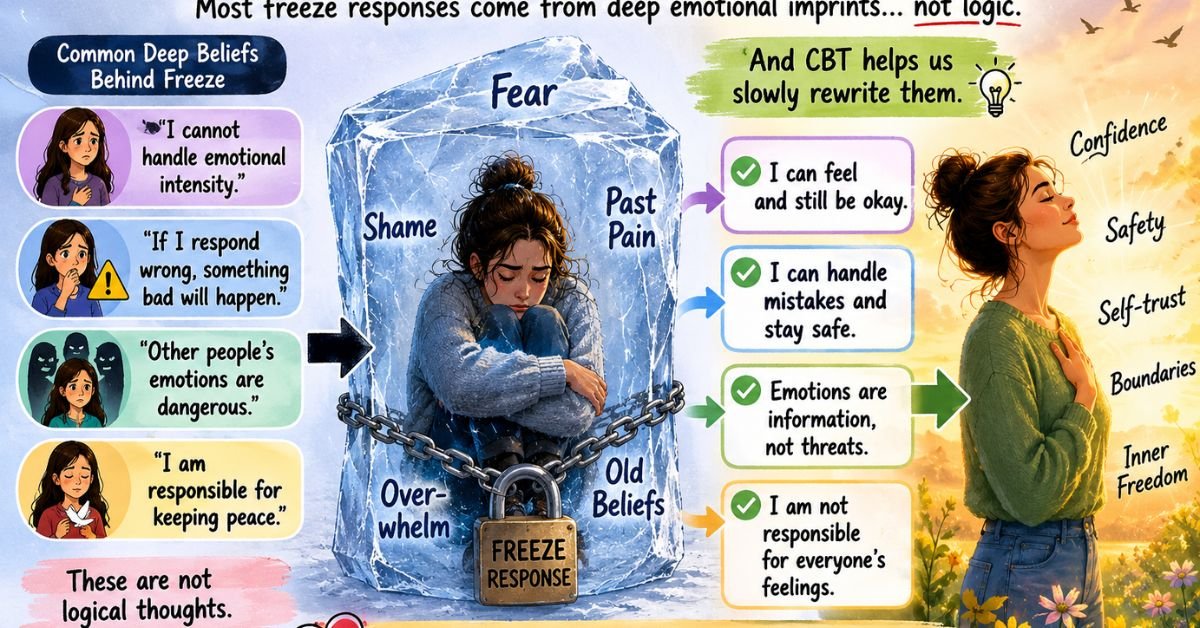
At the heart of CBT is the understanding that it isn’t events that cause us stress, but our interpretation of those events. Cognitive reframing involves identifying “cognitive distortions”—such as catastrophic thinking or black-and-white perspectives—and challenging them with more balanced, realistic alternatives.7 Powerful Ways to Manage Stress
- Actionable Tip: When you feel overwhelmed, write down your stressful thought. Ask yourself: “Is this thought 100% true? What is a more objective way to view this situation?”
2. Progressive Muscle Relaxation (PMR)

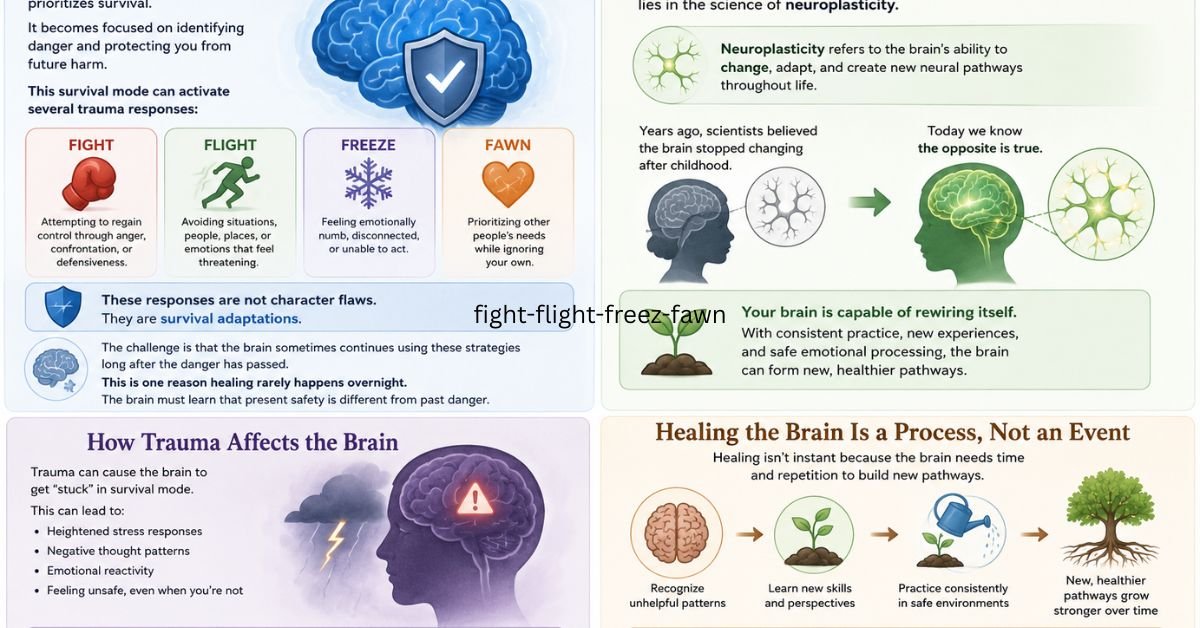
Physical tension is a hallmark of stress. When we are stressed, our muscles remain in a “fight or flight” state. PMR is a systematic technique that involves tensing and then consciously relaxing specific muscle groups, helping you recognize the difference between tension and true relaxation.
3. The Power of “Box Breathing”
Your nervous system has a built-in brake: the vagus nerve. By controlling your breathing, you can manually stimulate this nerve to lower your heart rate. Box breathing involves a simple, rhythmic cycle:7 Powerful Ways to Manage Stress
- Inhale for 4 seconds.
- Hold for 4 seconds.
- Exhale for 4 seconds.
- Hold for 4 seconds.

4. Prioritizing Mindful Movement
Exercise is more than just physical maintenance; it is a potent chemical intervention for the brain. Engaging in regular physical activity—even a 20-minute walk—helps metabolize stress hormones like cortisol and adrenaline while releasing endorphins, the body’s natural “feel-good” chemicals.
5. Setting Healthy Boundaries
Often, stress stems from over-commitment. Learning the art of saying “no” is an essential self-care skill. By prioritizing your bandwidth and setting firm boundaries, you reduce the external demands that contribute to your daily stress load.
6. Practicing Grounding Techniques
When anxiety spirals, you are often stuck in “future-tripping” or ruminating on the past. Grounding brings your focus back to the present moment. Use the 5-4-3-2-1 method: Acknowledge 5 things you see, 4 you can touch, 3 you hear, 2 you can smell, and 1 you can taste.
7. Quality Sleep Hygiene
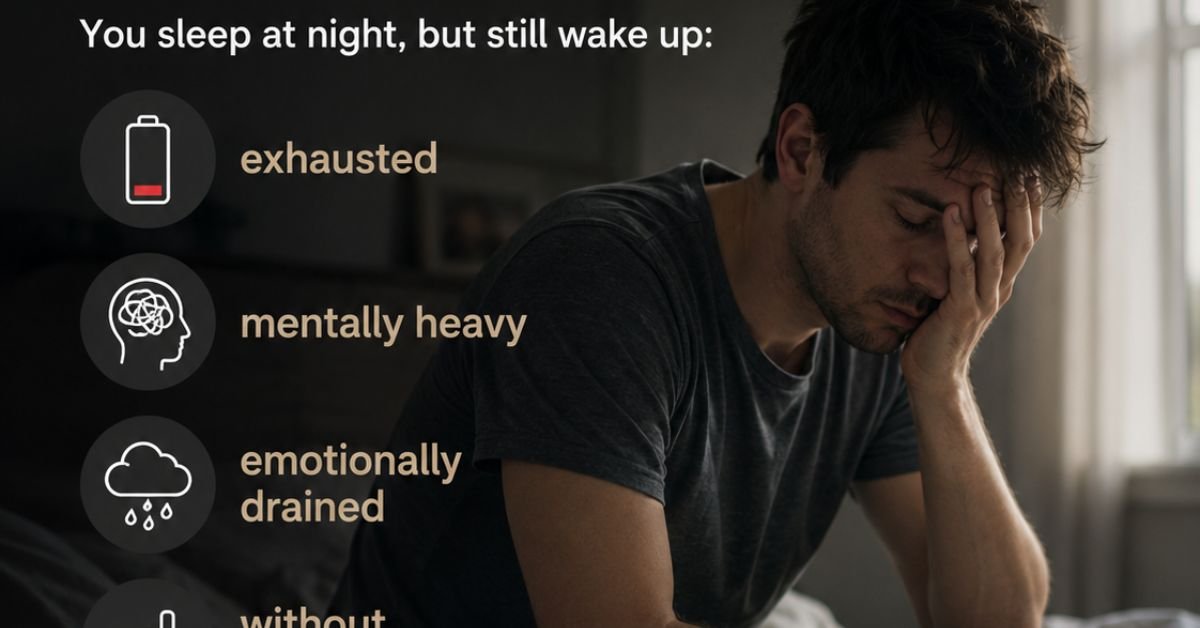
Sleep is the foundation of emotional regulation. When you are sleep-deprived, the amygdala (the brain’s fear center) becomes more reactive. Aim for 7–9 hours of quality sleep by establishing a consistent bedtime routine and limiting screen time one hour before sleep.
Quick Comparison: Stress Management Strategies
| Strategy | Primary Benefit | Best Used For |
| Cognitive Reframing | Changes thought patterns | Ruminating or negative self-talk |
| Box Breathing | Calms the nervous system | Sudden moments of high anxiety |
| PMR | Releases physical tension | Muscle stiffness and restlessness |
| Mindful Movement | Regulates hormones | Chronic stress and low mood |
Frequently Asked Questions (FAQs)
Q: Can CBT really help with daily stress?
A: Yes. While CBT is often used for clinical anxiety, its core techniques—such as identifying cognitive distortions and problem-solving—are highly effective for managing everyday life stress.
Q: How long does it take to see results?
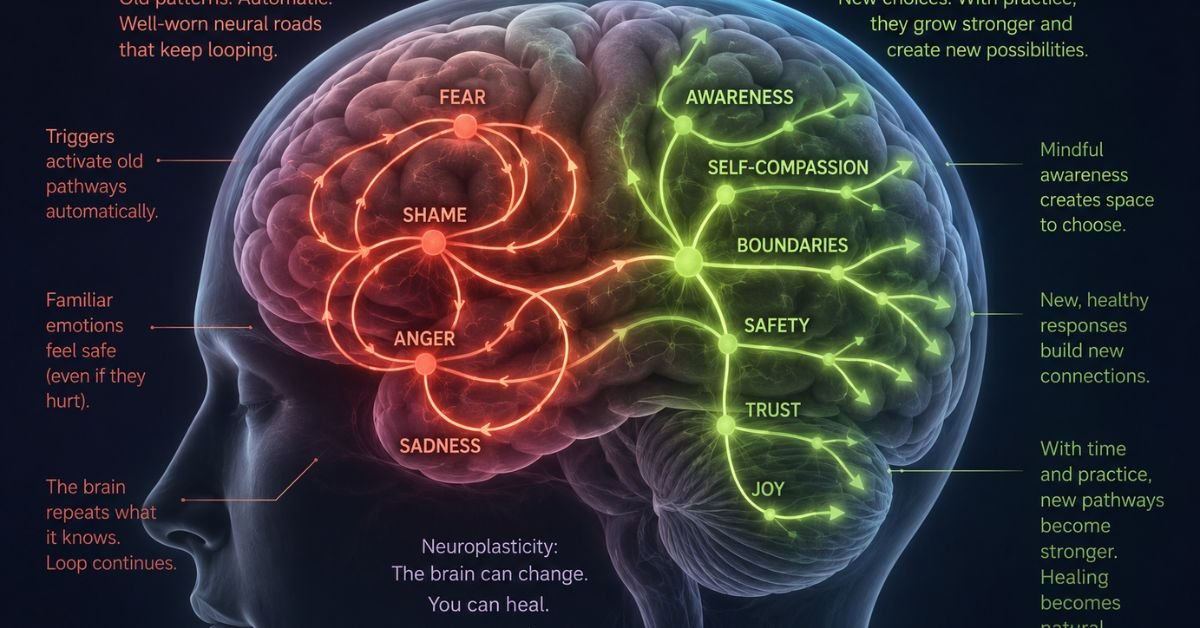
A: Some techniques, like breathing exercises, work within minutes. Cognitive restructuring takes more time and practice, as you are essentially “rewiring” your habitual thought patterns.
Q: When should I seek professional help?
A: If stress is interfering with your ability to perform daily tasks, affecting your sleep for long periods, or causing significant physical symptoms, it is recommended to speak with a licensed mental health professional.
Conclusion
Managing stress is not about eliminating all challenges from your life; it is about changing how you respond to them. By combining psychological tools like CBT with physical wellness practices, you can build a robust toolkit for peace of mind. Start with one of these seven methods today, and you will likely find that your capacity to handle life’s pressures grows significantly over time.
Did you mean “Health or CBT” when you asked about “healoracbt,” or were you referring to a specific app or program?






Leave a Reply