

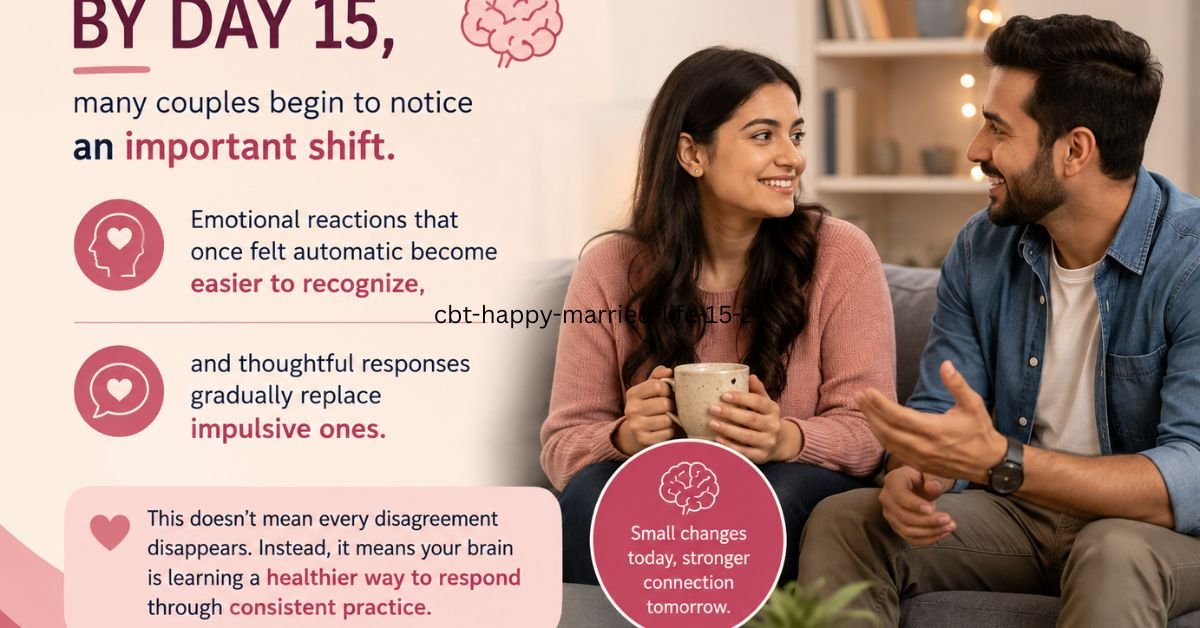
A 21-Day Journey Toward a Happier Married Life

A happy married life does not mean that couples never disagree or experience difficult emotions. Every relationship has stressful moments, misunderstandings and differences.
What matters is how partners understand their thoughts, manage emotions and respond to each other.
Over these 21 days of CBT for Happy Married Life, we explored how Cognitive Behavioral Therapy principles can help people become more aware of the connection between:
Thoughts → Emotions → Behaviours → Relationship Patte
This final article brings together the most important lessons from the complete 21-day journey.
The Biggest Lesson: Your Thoughts Influence Your Relationship
One of the most important CBT lessons is that situations are often influenced by the meaning we give them.
For example, if your spouse is quiet, you might automatically think:
“They are angry with me.”
That thought may create anxiety or defensiveness.
But another possibility could be:
“Maybe they are tired, stressed or simply need some quiet time.”
CBT does not mean ignoring genuine relationship problems. Instead, it encourages us to pause before automatically believing every negative thought.
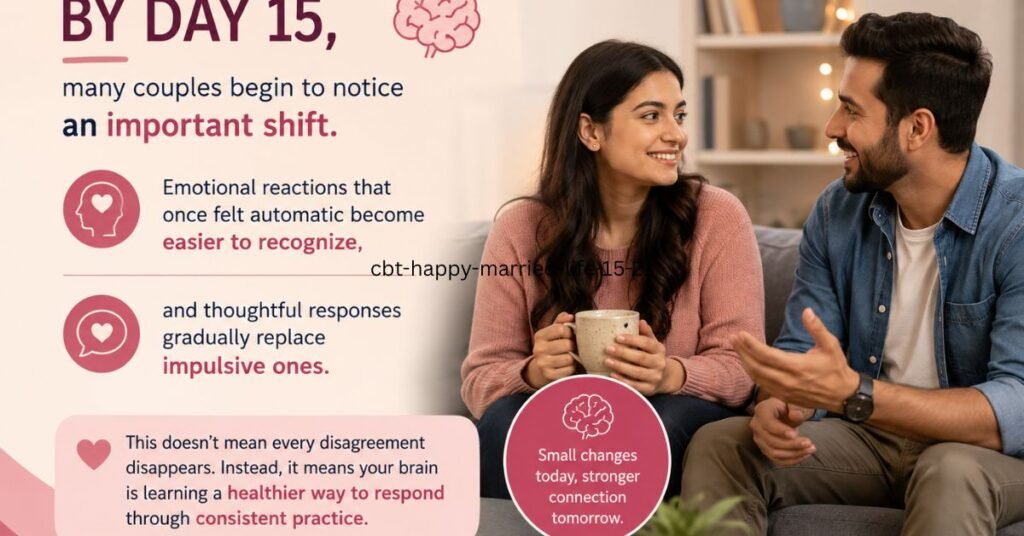
Emotional Awareness Creates Better Communication
Throughout the 21-day journey, emotional awareness remained an important theme.
Sometimes people react to their partner without first understanding what they are feeling.
Anger may sometimes hide:
- Hurt
- Fear
- Rejection
- Stress
- Insecurity
- Feeling unheard
When we understand our emotions, communication can become clearer.
Instead of saying:
“You never care about me!”
A person may learn to communicate:
“I felt hurt when this happened, and I would like us to talk about it.”
This shift can reduce blame and create more space for understanding.
Conflict Does Not Always Mean the Marriage Is Failing
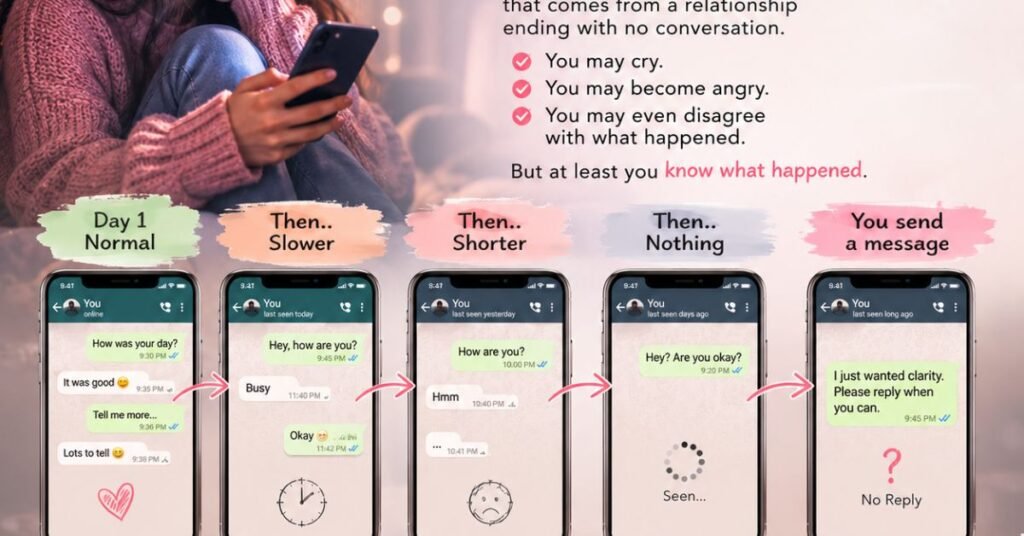
Disagreements are a normal part of relationships.
A common unhelpful thought is:
“We argued, so something is seriously wrong with our marriage.”
CBT encourages more balanced thinking.
A disagreement can simply mean that two people have different needs, opinions or emotional experiences.
The important question becomes:
How do we respond when conflict happens?
Healthy communication may involve listening, taking a pause when emotions become intense and returning to the conversation with more calm and clarity.
Emotional Safety Builds Lasting Connection
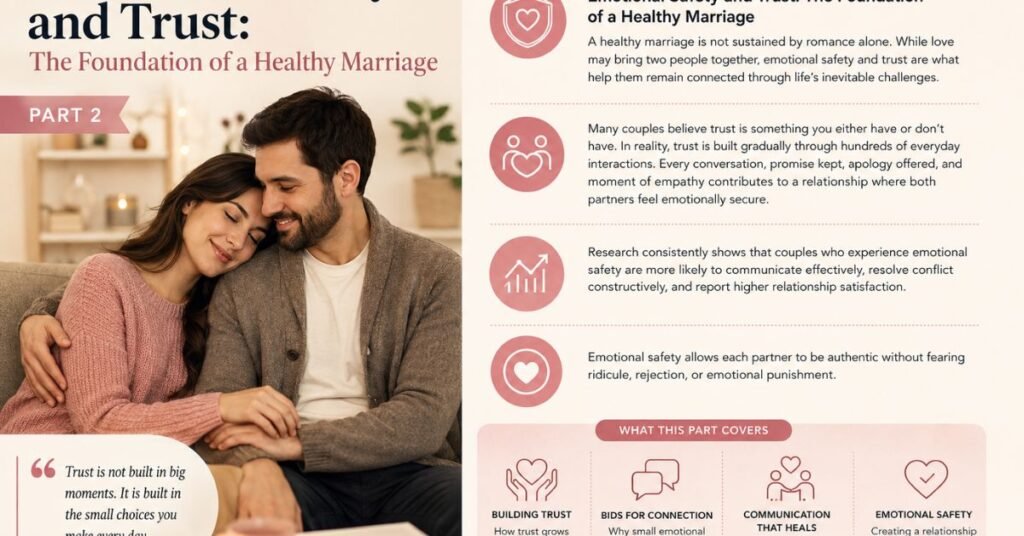
One of the final lessons of CBT for Happy Married Life is the importance of emotional safety.
Emotional safety can mean feeling able to communicate without unnecessary fear of humiliation, constant criticism or rejection.
Couples can support emotional safety by practicing:
- Respectful communication
- Active listening
- Healthy boundaries
- Honest conversations
- Less blame and more curiosity
- Repair after misunderstandings
A strong connection is not built through perfection.
It is often built through repeated moments of feeling heard, respected and understood.
Small Changes Can Create Meaningful Relationship Patterns
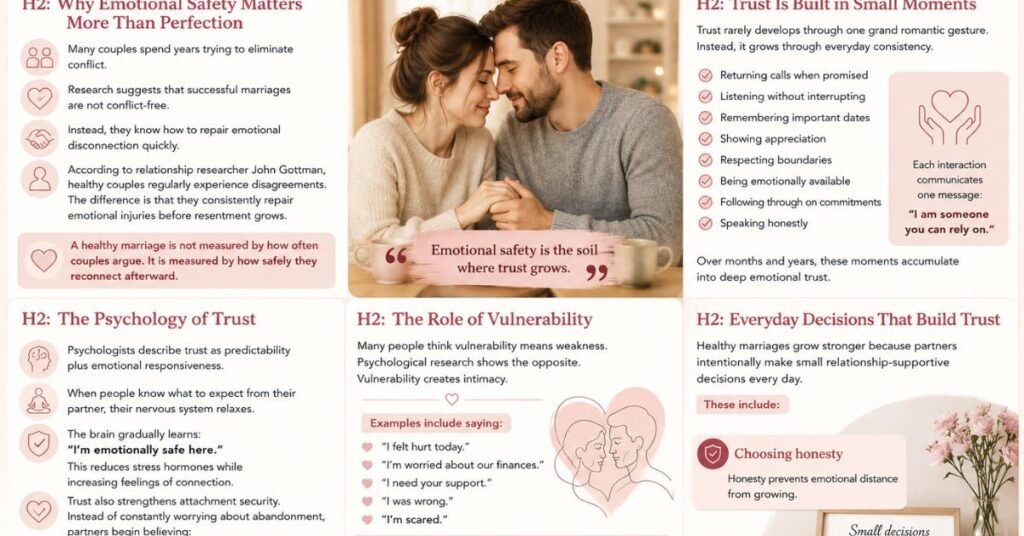
A healthy marriage is usually not transformed by one big conversation.
Connection is often shaped by small daily behaviours.
These may include:
- Asking how your partner is feeling
- Expressing appreciation
- Listening without immediately defending yourself
- Taking responsibility for mistakes
- Pausing before reacting
- Spending intentional time together
- Repairing after conflict
Over time, repeated behaviours can become healthier relationship habits.
The 21-Day CBT for Happy Married Life: Key Lessons
Days 1–7: Awareness
The first stage focused on understanding thoughts, emotions, triggers and relationship patterns.
Key lesson: You cannot change a pattern until you recognize it.
Days 8–14: Emotional Regulation and Communication
The second stage explored emotional reactions, conflict and healthier ways of communicating.
Key lesson: A pause between emotion and reaction can change the direction of a conversation.
Days 15–21: Emotional Safety and Lasting Connection
The final stage focused on trust, appreciation, repair and building sustainable relationship habits.
Key lesson: Lasting connection grows through emotional safety and consistent small actions.
A Simple CBT Question for Marriage
When a difficult situation happens, pause and ask:
What happened?
What am I thinking about this situation?
What emotion am I feeling?
Is my thought completely accurate, or am I making an assumption?
How can I respond in a healthier way?
These questions can help create awareness before an automatic reaction takes over.
CBT for Happy Married Life: Final Takeaway
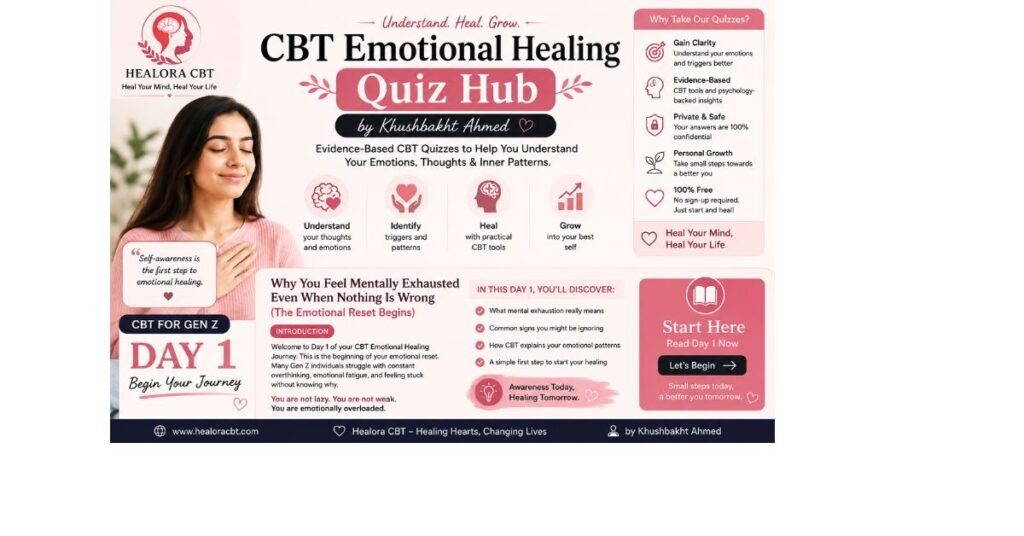
The goal of this 21-day journey was never to create a perfect marriage.
The goal was to encourage greater awareness.
A healthier relationship may involve learning to:
- Question unhelpful assumptions
- Understand emotional triggers
- Communicate needs more clearly
- Pause before reacting
- Reduce unnecessary blame
- Create emotional safety
- Repair after conflict
- Appreciate small positive moments
CBT for Happy Married Life is ultimately about becoming more aware of the patterns that influence connection.
When thoughts, emotions and behaviours become more conscious, couples may have more opportunities to choose healthier responses.
Frequently Asked Questions
Can CBT help create a happier married life?
CBT can help people understand how thoughts, emotions and behaviours influence communication and relationship patterns. These skills may support healthier interactions and greater emotional awareness.
Does a happy marriage mean never arguing?
No. Disagreements can happen in healthy relationships. What matters is how partners communicate, manage emotions and repair after conflict.
What is emotional safety in marriage?
Emotional safety involves feeling respected and able to communicate honestly without unnecessary fear of humiliation, rejection or constant criticism.
What is the most useful CBT skill for couples?
One useful skill is learning to pause and examine automatic thoughts before reacting emotionally.
Can small daily habits improve connection?
Consistent behaviours such as appreciation, listening, respectful communication and intentional time together can support stronger relationship patterns over time.
Conclusion
The 21 Days CBT for Happy Married Life journey ends with one important reminder:
A lasting connection is not built by being perfect. It is built by becoming more aware, more emotionally responsible and more intentional with each other.
Every healthy response begins with awareness.
Every better conversation begins with listening.
And every lasting connection grows through small moments of understanding, respect and emotional safety.
If you have completed this 21-day journey, take the lessons forward—not as rules for a perfect marriage, but as tools for creating healthier patterns and stronger emotional connection over time.
Continue exploring more CBT resources, relationship healing strategies and emotional wellness guides on HealoraCBT.
Conflict Does Not Always Mean the Marriage Is Failing
Conflict does not automatically mean a marriage is failing. Disagreements are a normal part of relationships. What matters is how couples understand the conflict, manage their emotions, and reconnect afterward.
This is one of the key lessons explored throughout [CBT for Happy Married Life: What We Learned in 21 Days], where CBT principles are used to understand thoughts, emotions, communication patterns, and healthier relationship responses.
American Psychological Association — CBT and relationship/mental-health information National Institute of Mental Health — evidence-based mental-health information

Pingback: CBT Techniques for Overthinking: Why Is My Mind So Busy