


Why Does My Mind Replay Old Memories?
Have you ever wondered why your mind replays old memories,even when you thought you had already moved on? One moment you are focused on the present, and suddenly an old conversation, image, mistake, or emotional experience appears in your mind again.the-glitch-in-the-system-healora
It can feel like a “the-glitch-in-the-system-healora” Think about visiting a website that suddenly loads an old version of a page, freezes, or keeps showing the same error even after you refresh it. Your mind can sometimes feel similar—replaying an old memory when something in the present activates a familiar emotional pattern.
But this does not necessarily mean that your mind is malfunctioning. Memory, attention, emotions, learned associations, and thought patterns can all influence what comes back into awareness. Sometimes, the brain is responding to a present trigger using information connected to a past -glitch-in-the-system-healora.
At HealOraCBT, we explore why the mind replays old memories through practical, evidence-informed psychological concepts, including CBT-based thought awareness, emotional regulation, and healthier ways of responding to recurring mental patterns.
Therapeutic Disclaimer: This article is for general educational purposes only. It is not a substitute for professional psychological or medical advice, diagnosis, or treatment, and reading it does not establish a therapist-client relationship. If recurring memories are causing significant distress or interfering with daily life, consider speaking with a qualified mental-health professional.The Glitch in the System HealOra | Why the Mind Replaysthe-glitch-in-the-system-healora
The Glitch in the System HealOra

Why Does My Mind Replay Old Memories? The Glitch in the System Explained
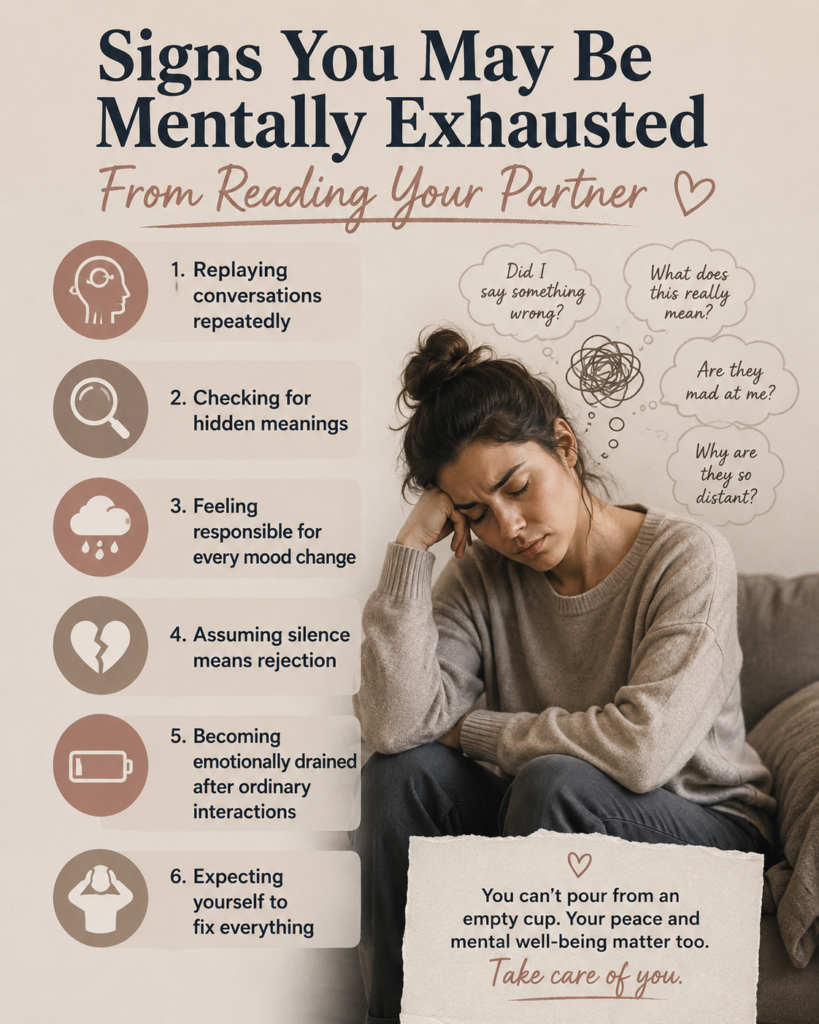
If you have ever asked yourself, “Why does my mind replay old memories?” even when a relationship has ended and communication has stopped, you are not alone. Sometimes the logical part of your mind knows there is nothing left to solve, yet the same memory returns. You replay the conversation, analyse the silence, wonder what the other person meant, and mentally reopen a door that is already closed.
This can feel like a glitch in the system. Your brain is not necessarily asking you to return to the past; it may simply be repeating a familiar emotional pathway. This can become especially confusing when the other person showed dismissive or avoidant behaviour, because silence can leave space for the mind to create its own explanations.
The important question is not only “Why did they behave this way?” but also “Why does my mind keep checking the same emotional route?”
The Dismissive-Avoidant Pattern Can Leave an Open Question
When someone responds to emotional closeness with distance, silence, withdrawal, or reduced communication, the other person’s mind may struggle with the lack of a clear ending.
A dismissive or avoidant pattern may involve emotional distancing, difficulty discussing vulnerability, or a strong preference for independence. But we cannot know exactly what another person is thinking simply from their behaviour.
What we can observe is what their behaviour does to the relationship—and what happens inside your own mind afterward.
When Silence Becomes Mental Noise
The absence of information can sometimes create more thinking rather than less.
You may start asking:
“Did I do something wrong?”
“Were they overwhelmed?”
“Did they ever care?”
“Why did they suddenly become distant?”
“Will they contact me again?”
The brain keeps searching because it wants certainty. But repeatedly searching for an answer that another person has not provided can become its own behavioural loop.
The Glitch: Replaying Instead of Resolving
A mental replay can begin with a simple trigger: an old photograph, a familiar place, a notification, a song, or even a quiet moment.
The sequence may look like this:
Trigger → memory → emotional discomfort → analysis → checking → temporary relief → another question.
The temporary relief is important. Checking an old conversation or social profile may briefly make you feel that you are doing something about the uncertainty.
But when the checking creates five new questions, the original problem has not been resolved.
The system has simply restarted.
Behavioural Action: Don’t Reopen the Same Route
When the memory appears, pause before doing anything.
Ask yourself: “Am I responding to the present, or am I reopening the past?”
If there is no new information and no healthy action required, choose not to investigate.
Put the phone down. Close the old conversation. Leave the profile. Take a walk. Return to your work.
The small action matters because it teaches your brain that a memory does not automatically require a behavioural response.
Why the Mind Wants an Explanation
Human beings naturally try to create meaning from emotionally important experiences.
When someone suddenly becomes distant, the mind may try to complete the missing story. This can become particularly powerful when the relationship involved mixed signals, unanswered questions, or inconsistent communication.
But an explanation is not always available.
Sometimes the most peaceful answer is:
“I do not know everything that happened inside another person’s mind, and I do not need to keep investigating it.”
That is not giving up. That is accepting the boundary of what you can know.
CBT: Finding the Thought Behind the Glitch
At HealOraCBT, a CBT-based perspective can help shift attention from speculation toward the connection between thoughts, emotions, and behaviours.
When the old story appears, write down:
Trigger: What brought the memory back?
Thought: What did my mind immediately tell me?
Emotion: What did I feel?
Urge: What did I want to do?
Action: What did I actually do?
Result: Did that action create lasting peace or temporary relief?
This simple observation can expose the loop.
Change the Behaviour, Not Every Thought
You do not have to eliminate every thought about the past.
Thought: “Maybe they are thinking about me.”
Response: “Maybe, maybe not. I cannot know.”
Action: Return to what I am doing.
Or:
Thought: “I need to understand why they withdrew.”
Response: “Their behaviour has already given me information about what they are able or willing to offer.”
Action: Protect my boundary.
This is where CBT becomes practical.
Closure, Tasalli, and the Need to Stop Checking
Closure is often imagined as receiving the perfect explanation from another person.
But emotional tasalli can develop differently.
It can come from accepting:
“This hurt me.”
“I may never know every reason.”
“Their silence does not define my worth.”
“I can choose peace without receiving another message.”
This does not erase the past. It changes your relationship with the past.
Your Attention Needs a New Destination
Every time you repeatedly check an old message, photograph, profile, or conversation, your attention returns to the same emotional workspace.
Instead, deliberately place your attention somewhere else: work, family, prayer, exercise, learning, creativity, friendship, rest, or your future.
The goal is not distraction forever. It is rebuilding a life in which the old story is no longer the centre of your attention.
The Mind Film: Give Your Attention a Different Scene
A personal visualization exercise can help you practise redirecting attention.
Instead of replaying the same painful conversation, imagine yourself in a calm present-day scene.
See yourself closing the old chapter. See yourself putting the phone away. See yourself breathing comfortably. See yourself completing your work. See yourself protecting your boundaries.
The purpose is not to erase memories or control another person’s behaviour. It is to give your attention a different mental destination.
If tawakkal is meaningful to you, you can add a simple reminder:
“I cannot control another person’s heart or choices. I am responsible for my own response.”
Do Not Turn Understanding Into Waiting
Learning about dismissive or avoidant behaviour can be helpful.
But psychological knowledge can become another form of attachment if you keep using it to predict someone’s return.
You may repeatedly search:
“What is a dismissive person thinking?”
“Do avoidants miss you?”
“Will a dismissive person come back?”
“What does their silence mean?”
Eventually, the search itself can become the glitch.
Behavioural Action: Return to Yourself
The next time you catch yourself analysing someone else’s inner world, ask:
“What do I know?”
“What am I assuming?”
“What behaviour is actually happening?”
“What choice protects my peace today?”
Then act on the answer.
That is the move from reaction to response.
Protect Your Mental Workspace
A healthy boundary can include digital behaviour.
You may choose to mute, unfollow, archive, remove reminders, stop rereading old conversations, or limit conversations that repeatedly restart the same emotional cycle.
This is not necessarily punishment. It can simply be a way of reducing unnecessary triggers while you regain emotional balance.
You do not have to prove that you have moved on. You only have to practise living differently.
Do It for Your Younger Self
Sometimes an old relationship activates a much older emotional need: to be chosen, understood, reassured, respected, or protected.
Instead of asking, “Why didn’t they give me what I needed?”, try asking, “How can I give myself more of what I need now?”
Your younger self does not need another endless investigation. They need safety, compassion, boundaries, and a future.
A Private Vow of Self-Respect
I will not chase every unanswered question.
I will not turn another person’s silence into a judgment about my worth.
I will notice the thought without automatically following it.
I will protect my attention.
I will return to my present life.
That is not emotional coldness. It is emotional responsibility.
Frequently Asked Questions
Why does my mind replay an old relationship?
Emotionally significant experiences can remain mentally accessible, especially when uncertainty or strong emotions were involved. Replaying does not necessarily mean you need to return to the relationship.
Can dismissive behaviour cause more overthinking?
It can contribute to uncertainty when communication becomes distant, inconsistent, or unclear. That uncertainty may encourage repeated analysis of what happened.
Does a dismissive person secretly miss you?
There is no reliable way to know what another person privately feels without their communication and consistent behaviour. Avoid assuming hidden feelings from silence or withdrawal.
Why do I keep checking their profile?
Checking can temporarily reduce uncertainty or provide emotional stimulation. However, if it repeatedly produces more questions and distress, it may be maintaining the mental loop.
How can CBT help me stop replaying the past?
CBT can help you identify the connection between triggers, thoughts, emotions, and behaviours. Instead of trying to control every thought, you can learn to change the behavioural response that follows it.
Does moving on mean forgetting everything?
No. Moving on does not require deleting memories. It means the memory gradually becomes less powerful in determining your attention, decisions, and behaviour.
Conclusion: The Glitch Does Not Have to Run the System
The mind can replay an old story long after the situation has ended. When dismissive or avoidant behaviour has created unanswered questions, that replay can become even more tempting.
But you do not have to solve another person’s inner world to heal your own.
Notice the trigger. Question the assumption. Stop the checking behaviour. Protect your boundaries. Redirect your attention. Return to your present life.
The old story may occasionally appear on the screen again. That does not mean you have to press play.
The memory can exist without controlling the response.
Old story. New behaviour. New direction.



Pingback: Not Every Thought Is a Command: What My HealOra Website Glitch Taught Me About the Mind -
Pingback: The Technical 404 Error of the Mind | HealOraCBT