

432 Hz Music & Bilateral
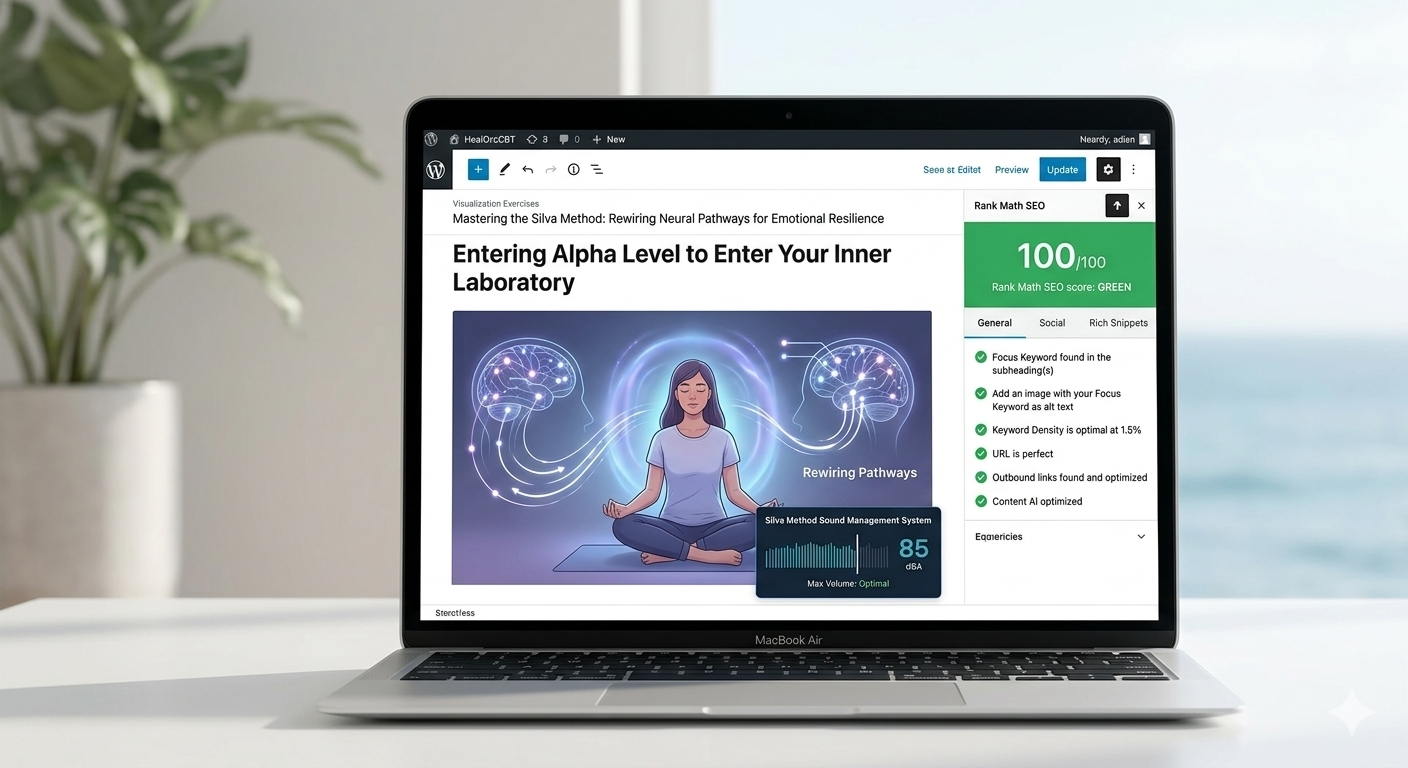
“Before you begin your visualization practice, put on your headphones and immerse yourself in this specialized audio session. This track is scientifically calibrated with 432 Hz Music and Bilateral Music for Emotional Wellbeing to help calm your overactive nervous system, synchronize your left and right brain hemispheres, and instantly quiet repetitive negative thinking.
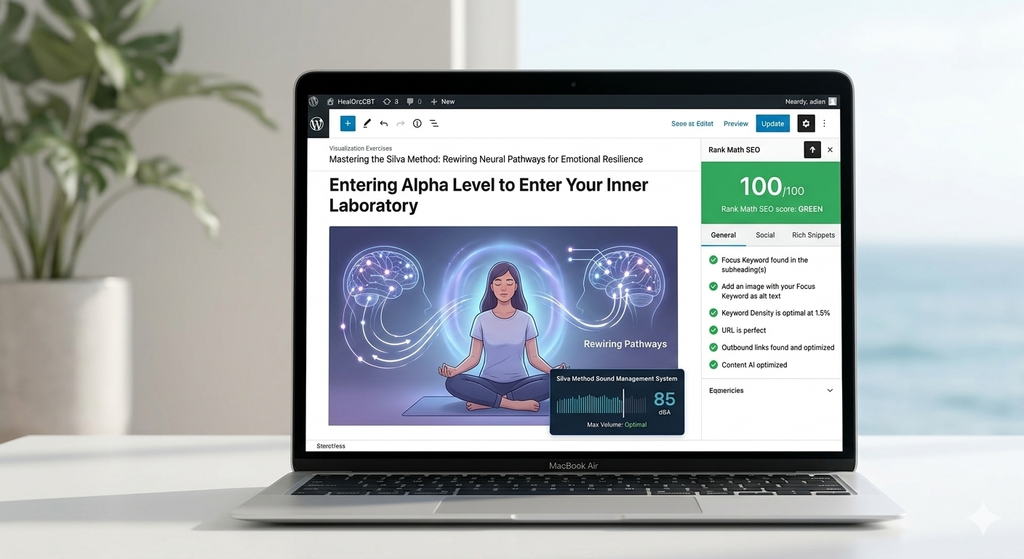
For the most profound healing experience, ensure your volume is kept at a gentle, modest level (ideally under 85 dBA) so the sound wave frequencies can safely shift your mind into a deep, meditative Alpha state.”
432 Hz music and bilateral audio are often explored for relaxation, mindfulness, and emotional wellbeing. But what do these terms actually mean? In this HealOra guide, we explain 432 Hz tuning, bilateral music, and the important difference between listening to audio and receiving professional EMDR therapy.
432 Hz Music and Bilateral Music: Understanding Sound & Emotional Wellbeing
Music can influence our attention, mood, memories and sense of calm. But what do 432 Hz music and bilateral audio actually mean? Let’s separate musical preference, relaxation practices and professional therapy.
432 Hz music has become increasingly popular among people interested in meditation, relaxation, mindfulness and emotional wellbeing. At the same time, bilateral music is sometimes associated with EMDR and trauma-focused therapy. These topics are related to sound and listening, but they are not the same thing.
Some listeners describe 432 Hz music as peaceful or comforting, while others simply prefer its tonal quality. Bilateral audio, meanwhile, describes a way sound can alternate between the left and right sides, often through headphones.
Understanding the difference matters. Music can be a meaningful part of a person’s self-care routine, but a particular tuning or audio track should not automatically be described as a treatment for emotional or physical conditions.
HealOra provides educational information about emotional wellbeing. This article does not claim that 432 Hz music, frequencies, or bilateral audio can medically heal the body or replace psychotherapy, medical care, or professional mental-health treatment.
What Is 432 Hz Music?
The term 432 Hz music usually refers to music tuned so that the note A above middle C is set to 432 Hz. This is different from the commonly used modern reference tuning of A=440 Hz.
The difference is subtle, and some people find the sound of 432 Hz tuning more pleasant or relaxing. Personal listening preference is a legitimate reason to enjoy a particular tuning. However, enjoying a sound and proving a medical effect are two different things.
This distinction is especially important in wellness content. It is reasonable to say that someone may find a particular piece of music calming. It is much stronger to claim that a specific frequency repairs the nervous system, heals trauma, or treats a medical condition. Such claims should not be presented as established facts without appropriate evidence.
Musical Tuning
432 Hz describes a reference tuning choice. It does not, by itself, describe a psychotherapy technique.
Bilateral Audio
Bilateral audio refers to alternating sound between the left and right sides, commonly experienced through headphones or earbuds.
Why Do People Listen to 432 Hz Music?
People choose 432 Hz music for many different reasons. Some use it during meditation, journaling, reading, stretching, breathing exercises or quiet evening routines. Others simply enjoy the character of the music.
Music itself can become part of a calming environment. A slower piece, gentle instrumentation, comfortable volume and a quiet setting may help someone create space for reflection. The benefit may come from the overall listening experience rather than from one frequency acting as a universal healing mechanism.
This is an important principle for emotional wellbeing: your response to music can be personal. What feels soothing to one person may feel neutral or distracting to another.
What Is Bilateral Music?
Bilateral music is audio arranged so that sounds can alternate or move from one side to the other. With headphones, a listener may hear one tone or musical element on the left and then the right, creating an alternating listening experience.
Bilateral auditory stimulation is also used within EMDR therapy. In that setting, auditory stimulation is only one possible form of bilateral stimulation; eye movements and tactile stimulation can also be used.
This means that a piece of bilateral music found online should not automatically be considered an EMDR treatment. The surrounding therapeutic process matters.
Is Bilateral Music the Same as EMDR?
Short answer: No.
EMDR stands for Eye Movement Desensitization and Reprocessing. It is a structured, clinician-led psychotherapy approach that includes assessment, preparation, reprocessing and other phases of treatment. Bilateral stimulation can form part of that process, but listening to bilateral audio alone is not equivalent to receiving EMDR therapy.
Professional EMDR guidance describes bilateral stimulation as alternating visual, auditory or tactile stimulation used within the broader therapeutic framework. Therefore, an online audio track should not be marketed as a replacement for an EMDR therapist or as a complete trauma treatment.
How Music Can Fit Into Emotional Wellbeing
Music can be incorporated into simple self-care routines without making exaggerated therapeutic claims. For example, someone might choose calming music while practicing slow breathing, writing in a journal or taking a quiet break from screens.
The goal can simply be to create a supportive environment for reflection. You do not need to believe that a particular frequency has special healing powers to benefit from intentionally choosing music that helps you feel comfortable and present.
From a CBT-informed perspective, the useful question can be practical: “What happens in my thoughts, feelings and behavior when I listen to this?” Paying attention to your own response can encourage greater emotional awareness.
432 Hz Music vs. Bilateral Music vs. EMDR
A Gentle Way to Explore Sound
If you enjoy 432 Hz or bilateral music, you can approach it as a personal listening practice rather than a medical treatment. Choose a comfortable volume, use suitable headphones when appropriate, and pay attention to how you actually feel.
If a sound makes you uncomfortable, dizzy, overwhelmed or distressed, stop listening. And if you are working through trauma or significant emotional distress, consider speaking with a qualified mental-health professional rather than attempting to use online audio as a substitute for therapy.
The HealOra Perspective
Sound can be meaningful. Music can create a sense of comfort, reflection and connection. 432 Hz music may be an enjoyable listening preference, while bilateral audio has a specific role within some therapeutic approaches. The key is keeping these ideas in their proper context.
Emotional wellbeing is not about finding one magical frequency. It can involve awareness, healthy habits, supportive relationships, evidence-informed therapy, self-reflection and learning new ways to respond to difficult experiences.
Frequently Asked Questions
432 Hz music generally refers to music tuned with A above middle C set to 432 Hz.
No. It should be presented as a listening or relaxation preference, not as a proven treatment for physical or emotional conditions.
It is audio designed to alternate or move between the left and right sides, often when heard through headphones.
No. Bilateral stimulation can be one component of EMDR, but an audio track alone is not equivalent to EMDR psychotherapy.
Yes. You can use music as a personal relaxation or mindfulness practice if you find the listening experience comfortable.
No. If you need treatment for trauma or significant emotional distress, seek guidance from an appropriately qualified mental-health professional.
Your Emotional Wellbeing Journey
At HealOraCBT, emotional wellbeing begins with understanding your thoughts, emotions and learned patterns with greater awareness and compassion.
Explore HealOraCBT432 Hz Music and Bilateral MusicWorkShop Day 6WorkShop Day 6

hi good job
Pingback: HealOra Self-Help by Khushbakht Ahmed | Silva Course