

21-Day CBT Guide for Relationships offers a simple, practical way to understand your thoughts, emotions, communication patterns, and relationship habits. Over 21 days, this guide introduces CBT-based exercises that can help you pause before reacting, manage overthinking, communicate more clearly, and build stronger emotional connections.
Healthy relationships are not built by avoiding every disagreement. They grow through self-awareness, emotional safety, honest communication, and the ability to understand the thoughts behind our reactions. CBT can help you notice unhelpful thinking patterns and replace automatic reactions with more balanced responses.
Each day of this guide focuses on one small step toward healthier relationship patterns. You do not need to change everything at once. Consistent small changes can create meaningful progress over time.

Day 2 – Build Trust & Emotional Safety:
CBT for Happy Married Life Day 2
Suggested anchor:Build Trust & Emotional Safety with CBTDay 3 – Stop Before Your Stomach Speaks:
CBT for Happy Married Life Day 3
Suggested anchor:Understand How Relationship Stress Can Affect the Bo
Real trust isn’t built on rare, grand gestures—it grows in the quiet, everyday moments. If you are ready to break out of frustrating communication loops and heal old relational patterns, this practical roadmap will show you exactly how to transform your daily interactions.
By applying Cognitive Behavioral Therapy (CBT) to your love life, you can learn to spot automatic, reactive thoughts before they spin into bitter arguments. This process helps you and your partner swap defensive armor for a genuine, shared sense of emotional safety.
Every small daily practice builds healthier connection habits over time. Emotional intimacy—the deep sense that your partner understands, respects, and accepts you—is the natural result. By following this 21-day CBT relationship guide, you will systematically experience:
- Better communication with far fewer reactive emotional patterns.
- Less defensiveness during sensitive or challenging conversations.
- More empathy and validation for each other’s distinct emotional states.
- Stronger trust built on predictable, reliable daily actions.
- Greater relationship satisfaction over the long term.
CBT helps partners notice unhelpful thinking patterns and replace them with more balanced ways of interpreting each other’s words and actions. Let’s look at how these tiny cognitive shifts reshape your everyday bond.
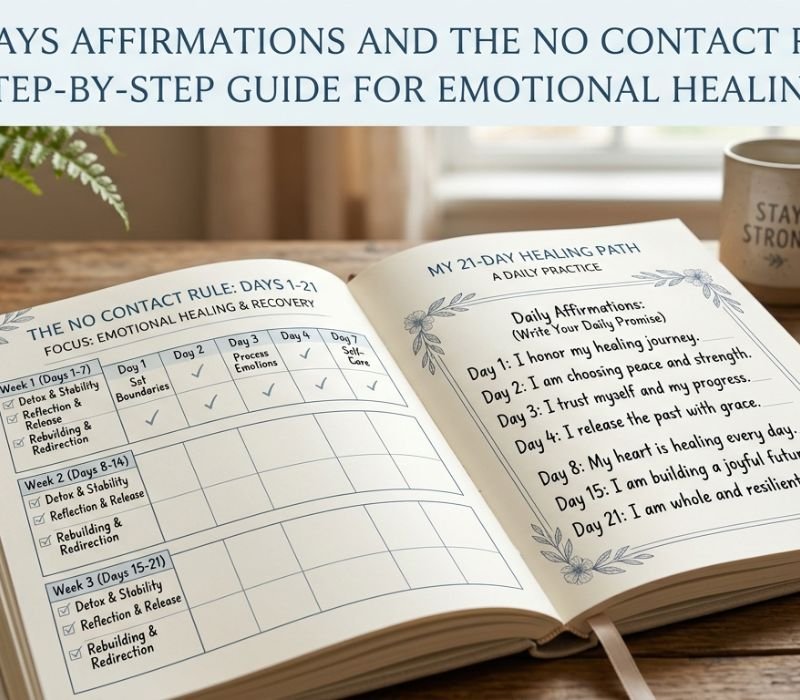
Figure 1: Structured clinical workbooks help accelerate cognitive attunement between partners.
Trust Is Built Through Daily Actions
Trust is rarely restored by one big promise. It grows through consistent behavior. Implementing this 21-day CBT relationship guide relies on simple daily habits, including:
- Listening intently without planning your next interruption.
- Saying thank you for minor, daily contributions.
- Offering active encouragement for each other’s personal goals.
- Spending uninterrupted time together completely free from screens.
- Apologizing sincerely and taking ownership when mistakes happen.
- Following through on everyday, minor commitments.
These micro-habits create foundational emotional security over time, reinforcing the stability of your home environment.
Healthy Couples Still Disagree
One of the biggest myths about marriage is that happy couples never argue. Healthy couples experience disagreements too. The primary difference is that they utilize structured tools to ensure conflict builds connection rather than tearing it down. Healthy couples consistently:
- Avoid personal attacks or character assassination.
- Stay curious instead of becoming defensive or closed off.
- Repair misunderstandings quickly to avoid lingering resentment.
- Return to respectful communication once intense emotions cool down.
Conflict handled well using structured cognitive behavioral skills can ultimately strengthen a relationship.
CBT Skills That Transform Relationships
During this series, you practiced evidence-based cognitive behavioral tools designed to reshape your relational dynamics from the inside out:
- Identifying automatic thoughts before reacting emotionally to your partner.
- Challenging cognitive distortions like mind-reading, profiling, or catastrophizing.
- Mindful breathing and somatic grounding to regulate stress during friction.
- Emotional regulation techniques to manage intense fight-or-flight triggers.
- Active listening to accurately mirror and validate your partner’s reality.
- Thought records to systematically process internal interpersonal friction.
- Gratitude practice to intentionally rewire your brain’s focus toward positive traits.
- Daily connection rituals to maintain regular, reliable physical and emotional intimacy.
Building deep trust is a gradual process. For a deeper look into marital dynamics, read our comprehensive guide on Emotional Safety and Trust in Marriage.
blog-21-day-cbt-relationship-guide-stronger-bonds
visit health.clevelandclinic.org.
FAQs
- What makes this guide different? Instead of trying to eliminate all conflict, it uses CBT principles to teach that healthy relationships thrive on emotional safety and quick repair.
- Do both partners need to do it? No, one partner can start alone, as individual shifts in self-awareness and communication can positively change the relationship dynamic.
- How much time does it take? Only 10 to 15 minutes a day, focusing on small, everyday moments where trust is built.
Conclusion
A strong relationship does not require perfection. Lasting bonds are created through self-awareness, intentional communication, and quick emotional repair. By committing to daily shifts, you turn everyday friction into deep trust.
