
- The Dispenza Dimension Breaking the Emotional Addiction
- Introduction to Emotional Dependency
- The Mechanics of Emotional Addiction
- Strategies for Breaking the Cycle
- CBT + NLP + Neuroscience Integration
- Recognizing Emotional Patterns
- The Science of CBT and NLP
- The Journey to Recovery
- Day 10 The “Void” Phase
- Important Reality Check
- Dispenza Inspired Exercise
- Upgraded Quote (Polished for Authority)
- Lisa Day 10 (Neural Shift Moment)
- Final Insight
- CBT + NLP + Neuroscience Integration
- Introduction
- Understanding the Context of Silence
- The Protective Nature of Silence
- Conclusion
(Where Biology Meets Emotional Freedom)
Day 10 is not just emotional.
Thank you for reading this post; don't forget to subscribe!
Lisa isn’t “missing him.”
Her body is reacting to the withdrawal of familiar chemicals.
- Happy Married Life Day 6: Healing Together Starts with Understanding
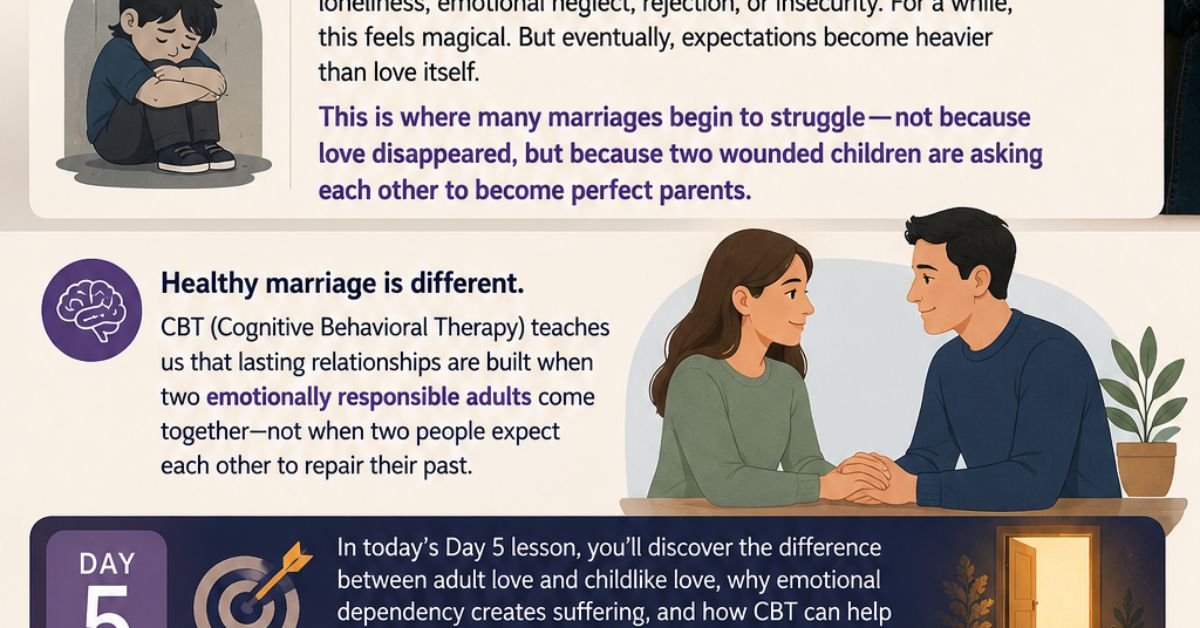
- CBT for Happy Married Life: Adult Love vs Childlike Love (Day 5)
- CBT for Happy Married Life: Before Stress Pulls You Somewhere Else Alignment, and Emotional Safety
- CBT for Happy Married Life Series Day 3: Stop Before Your Stomach Speaks
- CBT for Happy Married Life Day 2: Stop Feeling Emotionally Tired by Understanding Your Partner Better
The Dispenza Dimension Breaking the Emotional Addiction
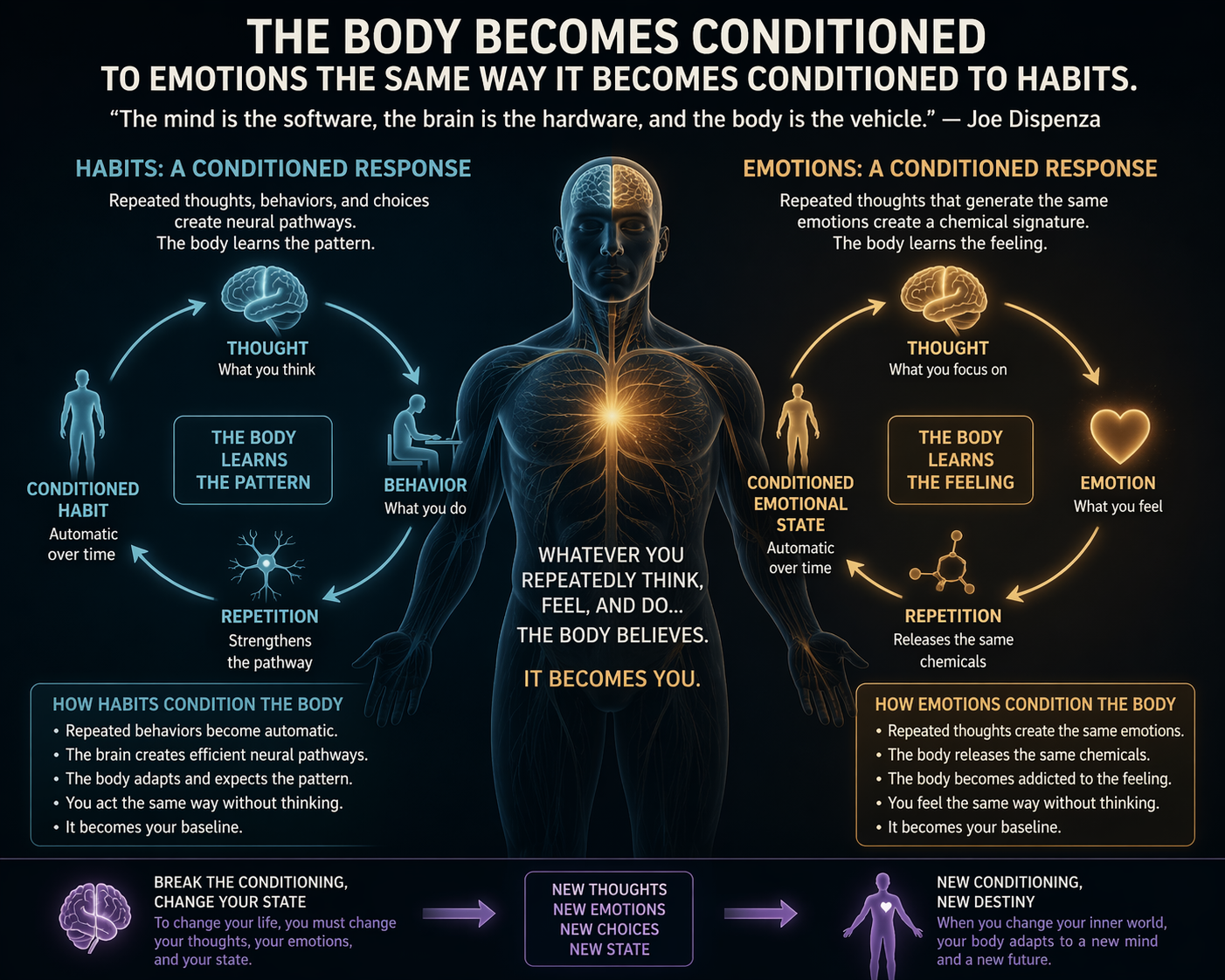
According to Joe Dispenza,
the body becomes conditioned to emotions the same way it becomes conditioned to habits.
When Lisa:Part 10 cbt The Neuro Architect’s Guide to No Contact
- Replays memories
- Checks his profile
- Fantasizes about closure
She’s not just thinkingPart 10 cbt The Neuro Architect’s Guide to No Contact
She’s releasing the same stress chemistry (cortisol, adrenaline)
And the same reward loops (dopamine spikes from hope)
Over time, this creates a biological dependency.
Reframed Truth
Introduction to Emotional Dependency
In relationships, it is common for individuals to develop emotional dependencies on their partners. This phenomenon occurs when one becomes addicted to the emotional patterns established by the other person. It can lead to a cycle of attachment that may obscure one’s ability to recognize personal agency and independence.
The Mechanics of Emotional Addiction
Emotional addiction unfolds through repeated interactions and behaviors that create a sense of comfort and familiarity. Over time, these patterns can solidify into dependencies that wreak havoc on one’s emotional well-being. You may find yourself longing for the validation or excitement that came from these interactions, mistakenly believing that your attachment is to the person themselves, rather than the emotional experience they proficiently elicited in you.
Strategies for Breaking the Cycle
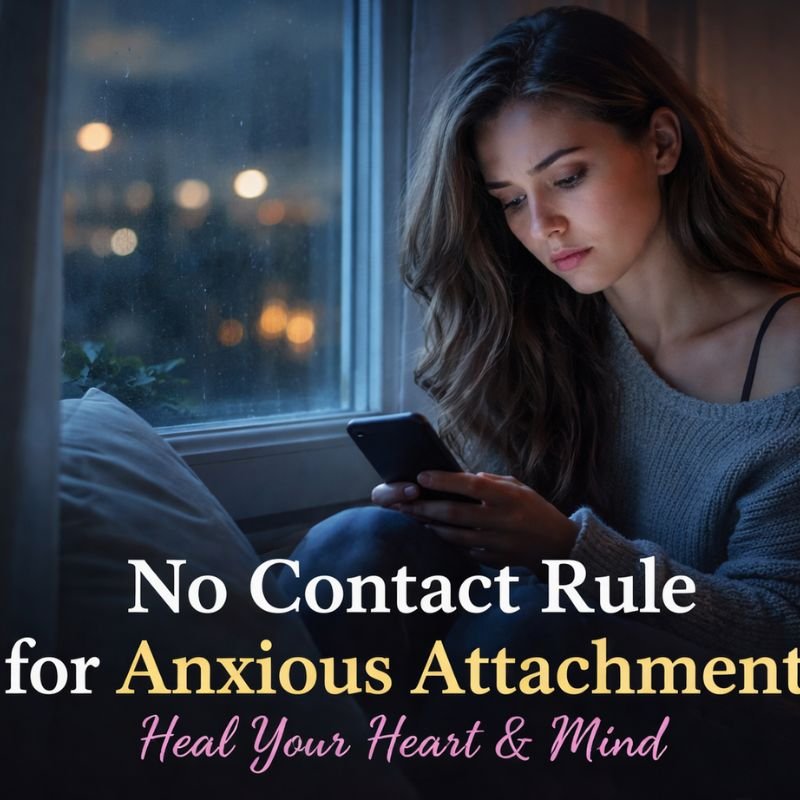
To liberate oneself from emotional dependence, one must consciously engage in what is known as ‘No Contact.’ This approach facilitates a necessary space to reflect and reassess the dynamics of the relationship. By distancing yourself from the source of emotional habit, you allow for healing and the opportunity to reconstruct your emotional architecture. This practice will not only promote self-awareness but will also pave the way for healthier future relationships.
In conclusion, understanding that you are addicted to the emotional patterns rather than the person is crucial. This realization is the first step toward recovery, leading to a more empowered and fulfilling emotional existence. Seek support through cognitive-behavioral strategies and stay committed to your journey of self-discovery.
“You’re not addicted to the person.
You’re addicted to the emotional pattern they created inside you.
CBT + NLP + Neuroscience Integration
Recognizing Emotional Patterns
Addiction can manifest in many forms, but emotional addiction is often overlooked. It involves becoming attached to specific emotional patterns tied to individuals rather than the individuals themselves. This systematic connection can obstruct personal growth and self-discovery.
The Science of CBT and NLP
Cognitive Behavioral Therapy (CBT) and Neuro-Linguistic Programming (NLP) offer powerful strategies for addressing these patterns. By identifying negative thought patterns and replacing them with healthier alternatives, individuals can begin to break free from emotional dependencies. These therapeutic methods draw upon recent neuroscience insights, reinforcing our understanding of how the brain processes emotions and habits.
The Journey to Recovery
Understanding that you are addicted to the emotional patterns rather than the person you are attached to is crucial. This realization is the first step toward recovery. Embracing cognitive-behavioral strategies and remaining committed to your journey of self-discovery will empower you towards a fulfilling emotional existence. Support is vital, whether it comes from professionals trained in CBT, NLP practitioners, or supportive networks. Recovery is not just about detaching from the emotions, but restructuring how we respond to them.
CBT (Awareness)
Lisa identifies the thought:
- “I need to check his last seen.”
She challenges it:Part 10 cbt The Neuro Architect’s Guide to No Contact
- “This won’t give me peace. It will restart the cycle.”Part 10 cbt The Neuro Architect’s Guide to No Contact
NLP (Reprogramming)
She changes internal meaning:
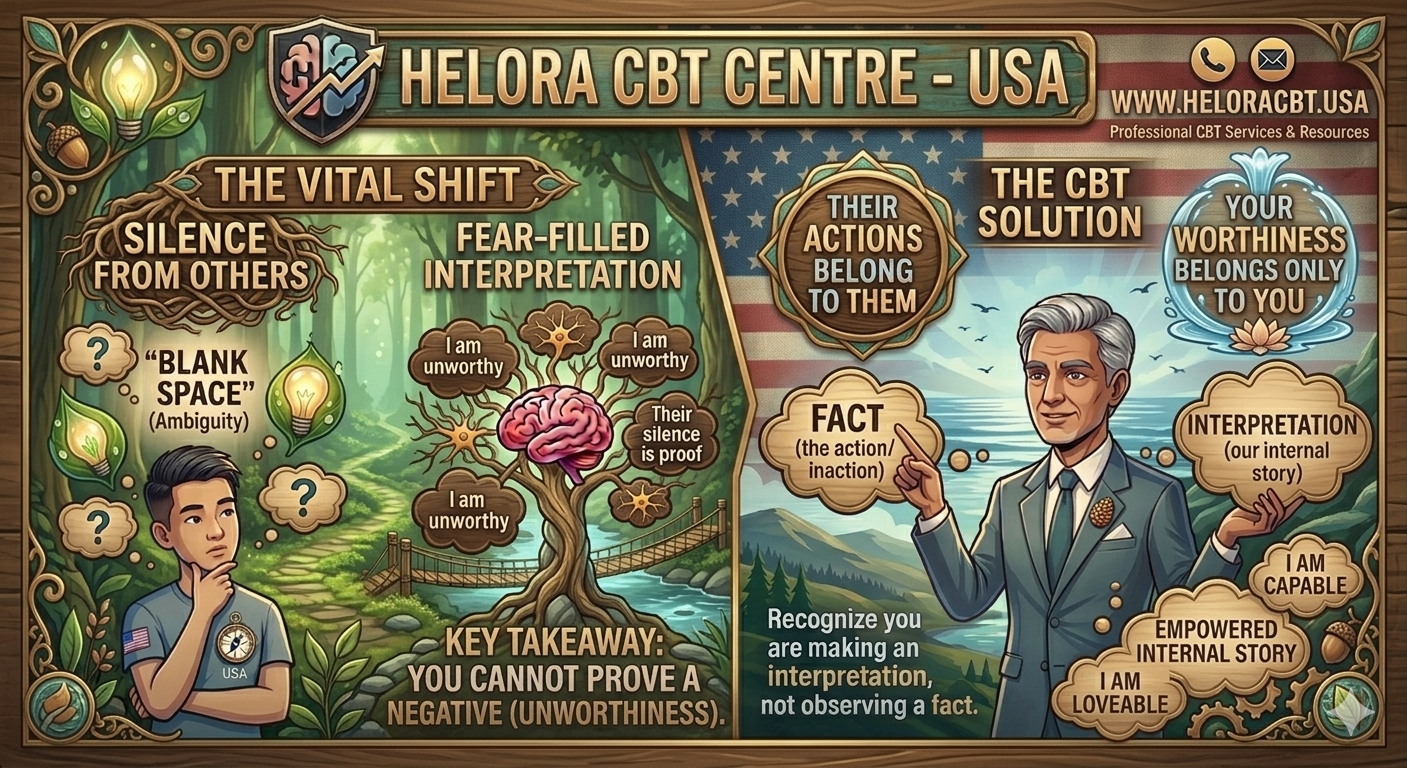
- Old: Silence = Rejection
- New: Silence = Protection
Neuroscience (Rewiring)
This is where Neuroplasticity activates.
Every time Lisa does not act on the urge:
- Old neural pathway weakens
- New pathway strengthens
This is called:Part 10 cbt The Neuro Architect’s Guide to No Contact
“Neurons that don’t fire together stop wiring together.”
Day 10 The “Void” Phase
This is the hardest part.
Not because she’s weak
but because she’s in between identities.

Dispenza calls this the space where:
- The old self is dissolving
- The new self isn’t fully embodied yet
It feels like:
- Emptiness
- Restlessness
- Emotional silence
But in reality…
This is where the brain is doing its deepest rewiring
Important Reality Check
“No Contact” is not punishment.
It’s a neural detox.
If Lisa breaks it:
- She reactivates old circuits
- Reinforces emotional dependency
- Delays healing
If she maintains it:
- She interrupts the chemical loop
- Builds emotional independence
- Strengthens self-regulation

Dispenza Inspired Exercise
Morning Mental Rehearsal (Day 10 Ritual)
Before touching her phone, Lisa does this:
Step 1 Close Eyes
Disconnect from environment
Step 2 Visualize Trigger
See his name. The urge. The привычة
Step 3 Rehearse New Response
She doesn’t panic.
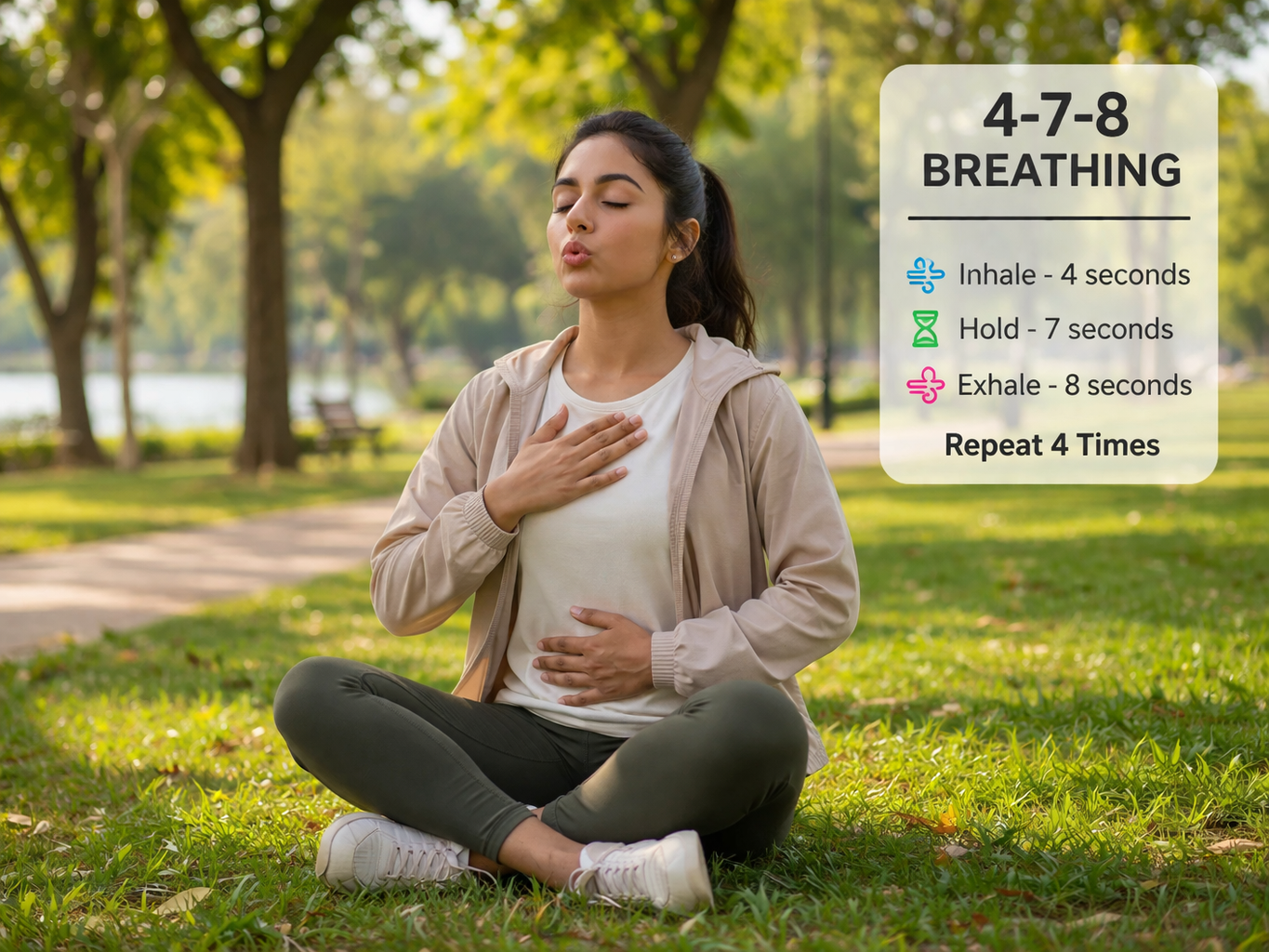
She breathes. She stays grounded.
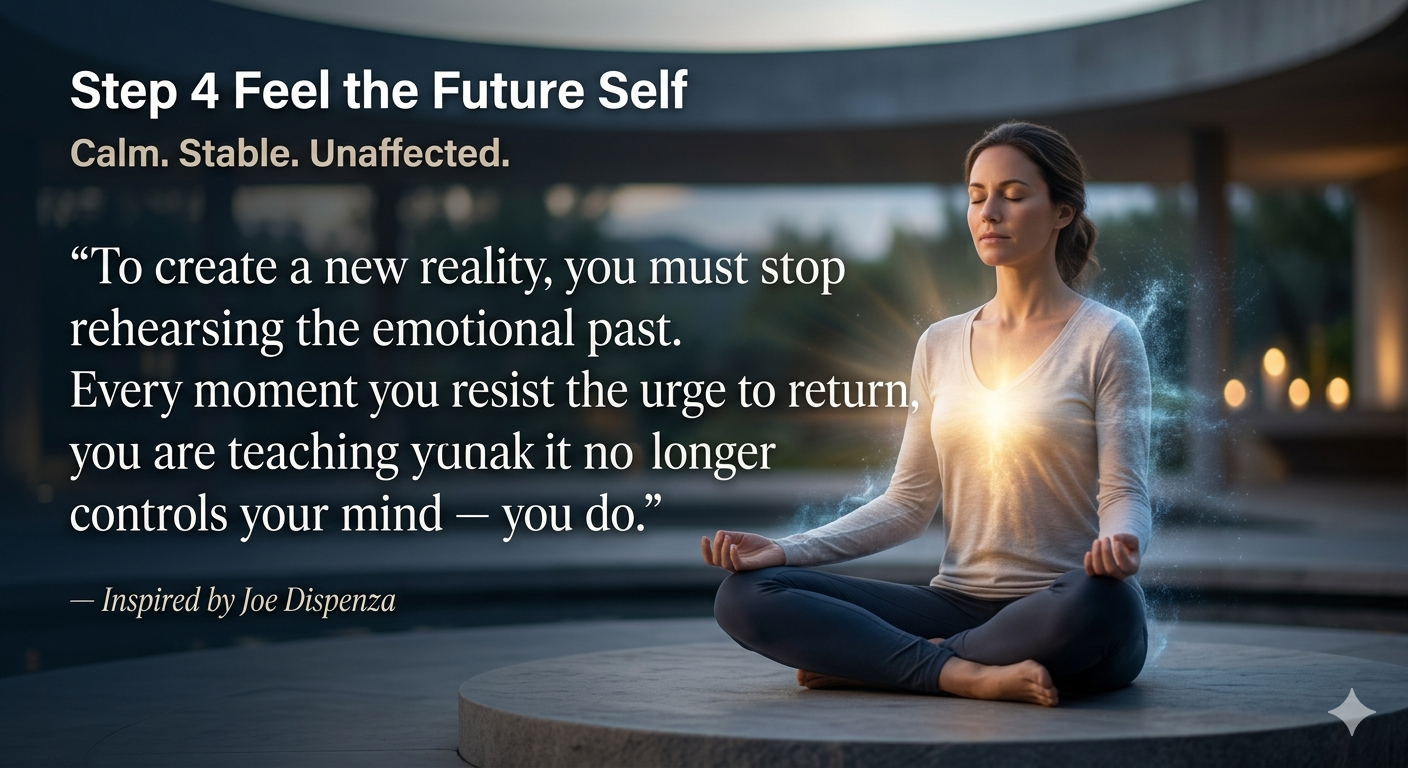
Step 4 Feel the Future Self
Calm. Stable. Unaffected.
This is key:
The body must feel the future before it happens
Upgraded Quote (Polished for Authority)
“To create a new reality, you must stop rehearsing the emotional past.
Every moment you resist the urge to return, you are teaching your body that it no longer controls your mind you do.”
— Inspired by Joe Dispenza
Lisa Day 10 (Neural Shift Moment)
Her hand moves toward her phone.
An old program.
But this time…
She pauses.
Not because she’s forcing herself
but because something inside her has changed.

The urge still exists.
But it no longer controls her.
And in that quiet moment…
A new version of Lisa is being wired.
Final Insight
Day 10 is where healing becomes scientific, not emotional.
She is no longer:
- Waiting
- Hoping
- Reacting
She is:
CBT + NLP + Neuroscience Integration
CBT (Awareness)
Lisa identifies the thought:
- “I need to check his last seen.”
She challenges it:
- “This won’t give me peace. It will restart the cycle.”Part 10 cbt The Neuro Architect’s Guide to No Contact
NLP (Reprogramming)
She changes internal meaning:
- Old: Silence = Rejection
- New: Silence = Protection
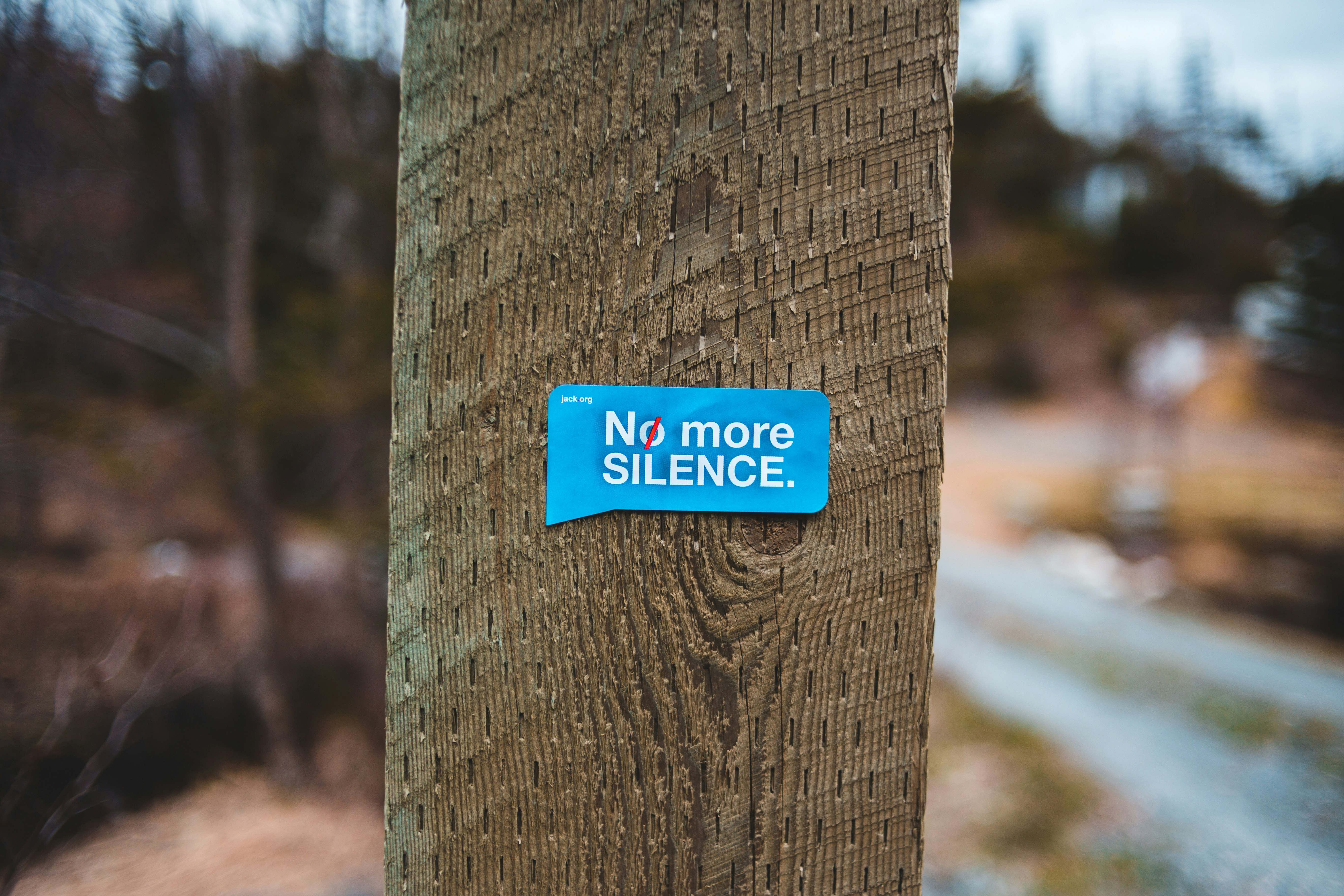
Introduction
The notion of silence has often been misconstrued as a signal of rejection. However, it is essential to recognize that silence can also serve as a powerful form of protection. This transformation in understanding can enrich our interactions and shape healthier relationships.
Understanding the Context of Silence
Historically, silence has been interpreted subjectively. In many instances, a lack of communication is perceived as a withdrawal or disregard. Yet, silence can be a necessary pause for introspection, providing individuals the space they need to process thoughts and emotions without external pressures. Recognizing this shift from viewing silence as rejection to interpreting it as a protective measure can lead to more empathetic communication.
The Protective Nature of Silence
Silence serves as a protective barrier against misunderstandings and emotional burnouts. When individuals choose not to respond immediately, they allow themselves to reflect and respond in a more thoughtful manner. This approach not only shields themselves from saying something impulsively, but it also fosters deeper, more meaningful dialogue. Embracing silence as a means of protection can promote healthier environments in personal and professional relationships.
Conclusion
By redefining silence from an emblem of rejection to a tool of protection, we open ourselves to new ways of communication. Understanding that silence does not equate to abandonment, but rather serves as a considerate means to safeguard one’s mental and emotional well-being, can drastically improve our interpersonal dynamics.
connect with me lisa healing journey
healing after pain see my latest article see coments
Read more: The Ultimate Neuro Architect’s Guide to No Contact: lisa’sJourney to Building Dreams
plz click lagwao ryan
the main focus to awareness about partner behaviour
thanks Age Restriction & Medical Disclaimer ADULT CONTENT NOTICE: You must be 18 years or older to view this content.…
This really puts anxiety into perspective. Learning to accept uncertainty instead of fighting… A great reminder that the goal isn’t…

Table of Contents (Where Biology Meets Emotional Freedom) The Dispenza Dimension Breaking the Emotional Addiction Reframed Truth Introduction to Emotional Dependency The Mechanics of Emotional Addiction Strategies for Breaking the Cycle CBT + NLP + Neuroscience Integration Recognizing Emotional Patterns The Science of CBT and NLP The Journey to Recovery CBT (Awareness) NLP (Reprogramming) Neuroscience…




thanks plz click generate