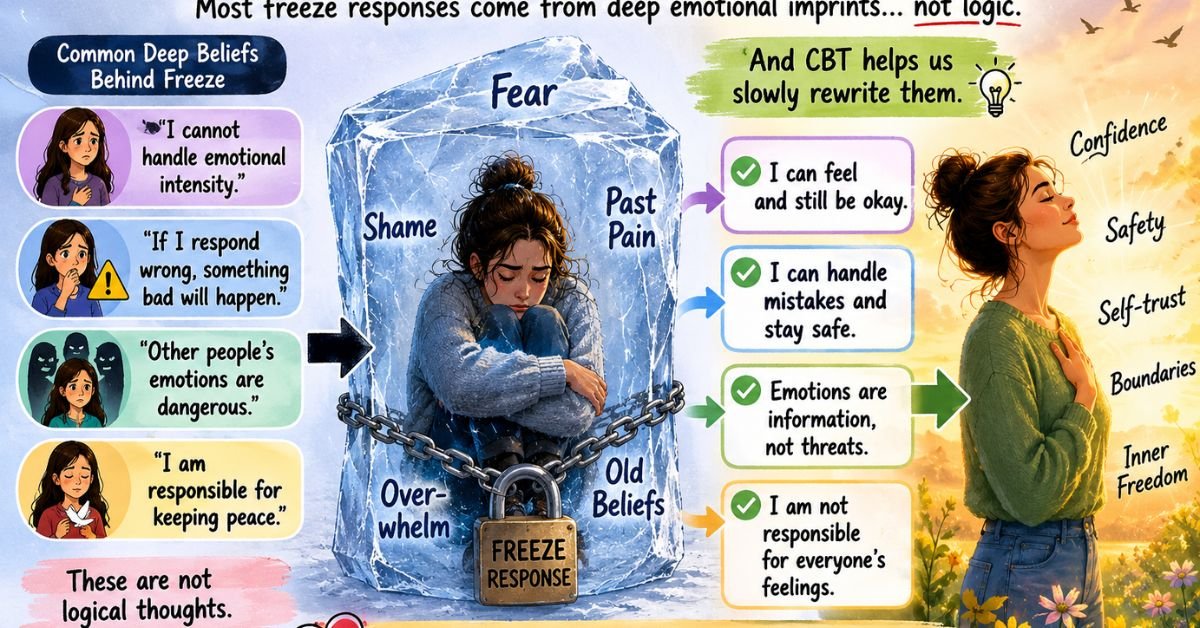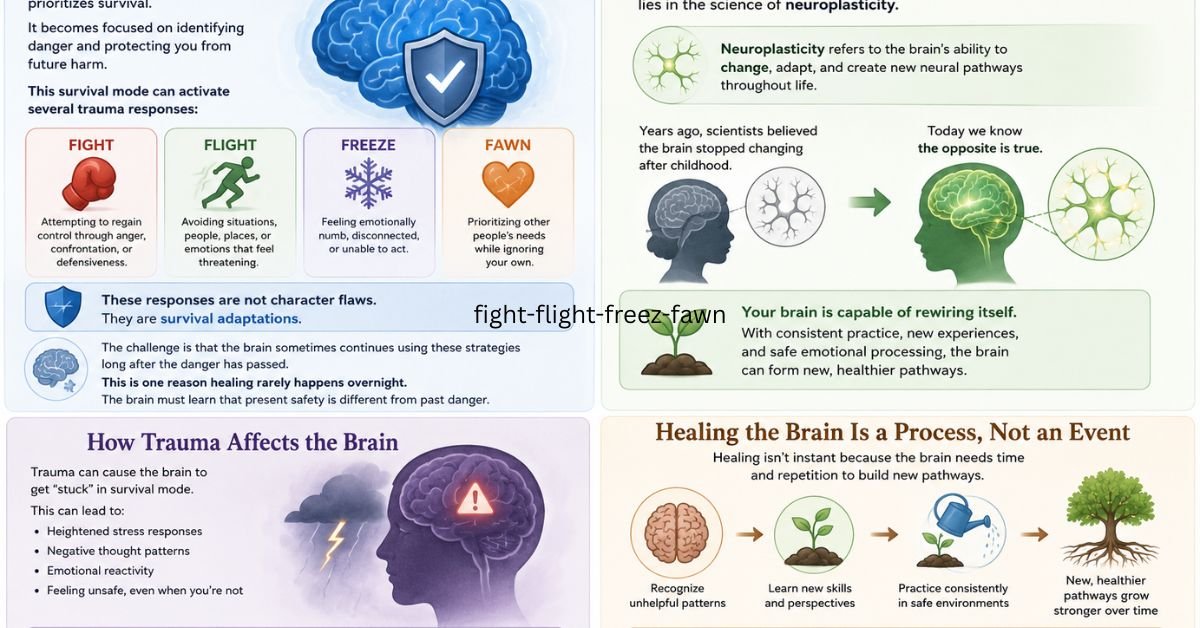

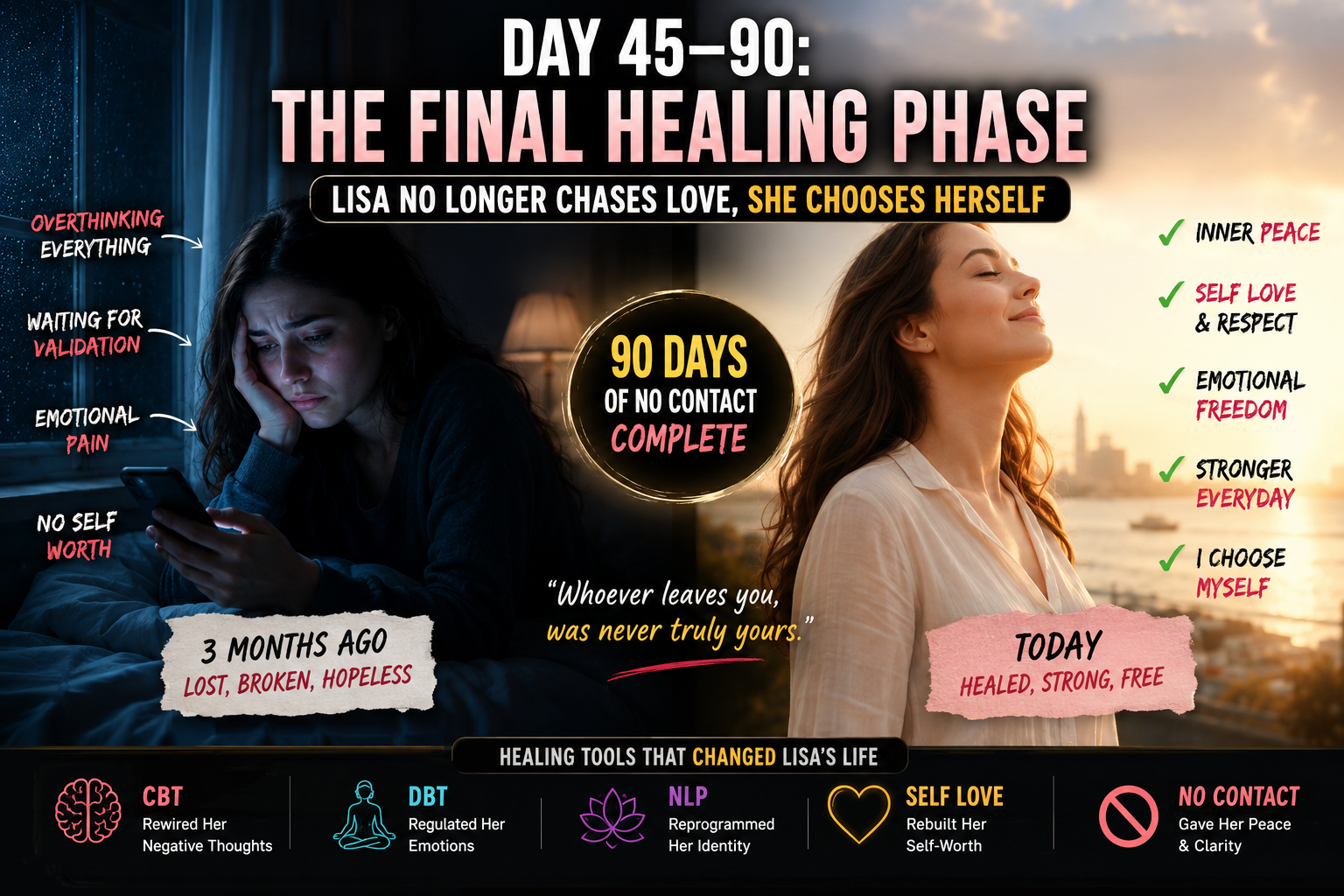
This healing model is based on CBT (Cognitive Behavioral Therapy), DBT (Dialectical Behavior Therapy), and NLP (Neuro-Linguistic Programming).
Thank you for reading this post; don't forget to subscribe!

CBT and DBT are evidence-based psychological therapies supported by clinical research. They focus on changing thought patterns, emotional regulation, and behavior correction.
Modern neuroscience also supports the idea that:Scientific Healing with CBT
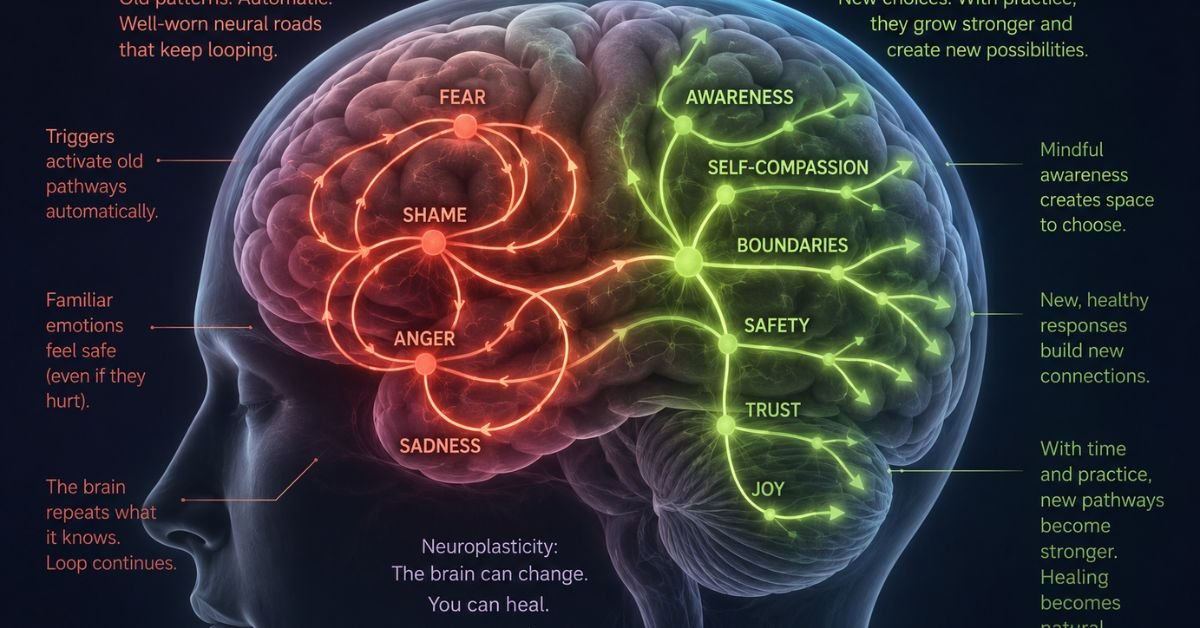
- The brain changes through neuroplasticity
- The amygdala controls emotional reactions like fear and attachment
- The prefrontal cortex manages logic and decision-making
- Repeated thoughts strengthen neural pathways
Simple truth:
What you repeatedly think reshapes your brain structure over time.
External Learning Resources (Authentic & Scientific)
For deeper understanding of healing, psychology, and neuroscience:
- https://www.apa.org (CBT research – American Psychological Association)
- https://www.nimh.nih.gov (Mental health and emotional disorders)
- https://www.ncbi.nlm.nih.gov (Neuroscience and brain research)
- https://www.health.harvard.edu (Harvard Medical School mental health resources)
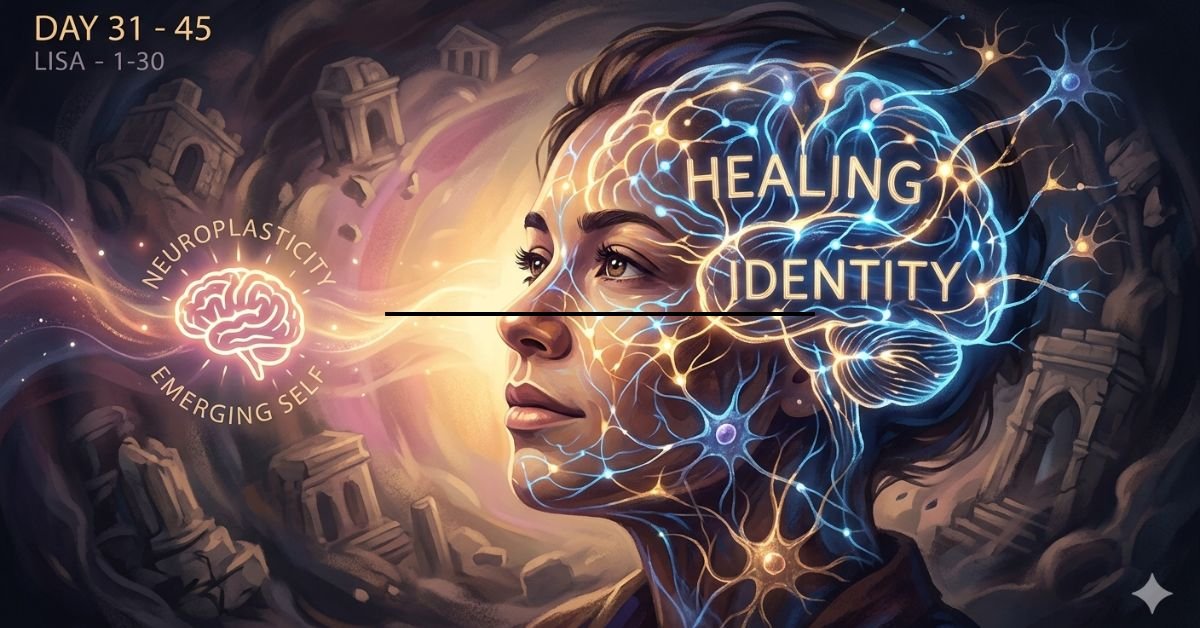
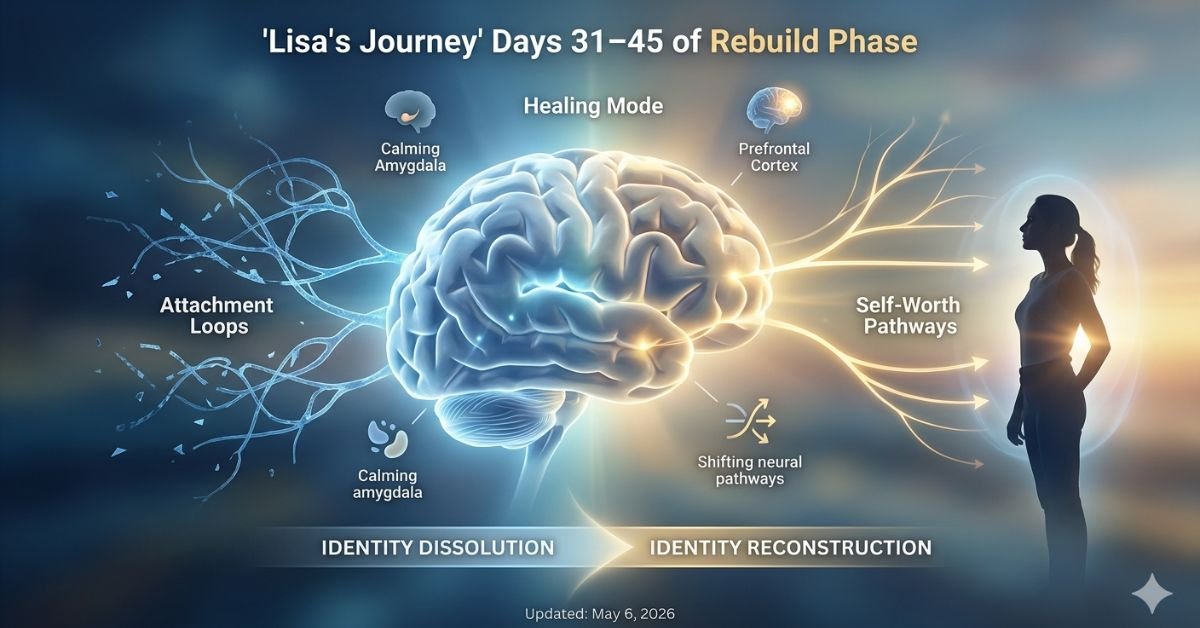
Lisa’s Rebuild Phase Day 31–45: Healing and Identity Growth
When the Brain Enters Healing Mode
Lisa’s journey enters a completely new phase on Day 31.
On Day 1–30, she focused on emotional separation and breaking attachment patterns.
But in Day 31–45, real transformation begins:Scientific Healing with CBT
Brain rewiring + identity rebuilding
In this phase, Lisa is:
- Emotionally calmer
- Internally confused
- Actively redefining her identity
Neuroscience Insight: What Is Happening in the Brain?
During this stage, three major brain systems are active:Scientific Healing with CBT
1. Amygdala (Emotional Alarm System)
- Previously highly active during attachment
- Now gradually calming down
- Fear and emotional dependency signals reduce
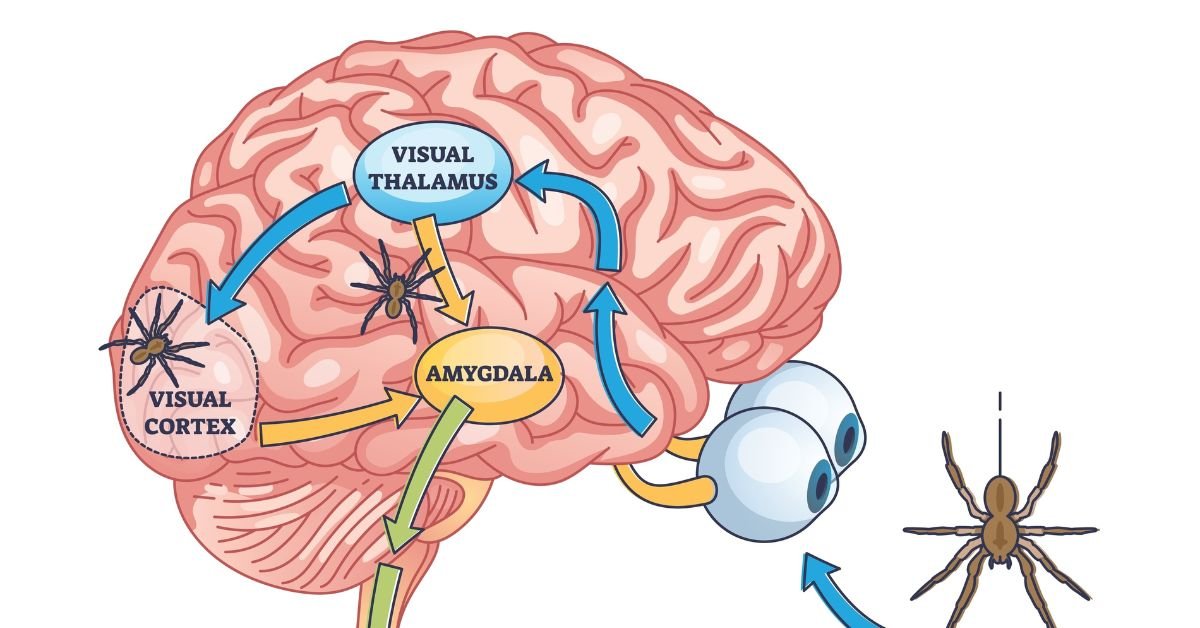
2. Prefrontal Cortex (Logic Center)
- Becomes more active
- Improves rational thinking
- Reduces emotional impulsivity
3. Neural Pathways (Habit System)
- Old emotional loops weaken
- New thinking patterns start forming
This process is called neuroplasticity Scientific CBT, DBT & NLP Rewiring
Lisa Day 31–33: Emotional Silence Phase
Lisa wakes up and experiences something unusual:
- No panic
- No emotional urgency
- No craving for contact
But a question appears:
“What do I do now?”
This silence is not emptiness.
It is a brain reset phase.
CBT Perspective: Thought Detox
According to CBT:
- Thoughts are not facts
- Thoughts are learned patterns

Lisa’s brain is now:
- Breaking old emotional loops
- Entering a neutral psychological state
- Scientific CBT, DBT & NLP Rewiring
That is why she feels:
- Boredom
- Emptiness
- Confusion
These are normal withdrawal symptoms from emotional attachment.
Lisa Day 34–36: Identity Collapse Stage
This is a silent but deep psychological phase.
Lisa realizes:
- Her routine was centered around someone else
- Her emotions were dependency-based
- Her identity was externally defined
Now everything breaks down.
This is called identity dissolution
Internal Conflict in Lisa’s Mind
- “Who am I now?”
- “What do I actually want?”
- “What is my value alone?”
These questions feel uncomfortable but are necessary.
They are signals of reconstruction, not breakdown
DBT Insight: Emotional Regulation Begins
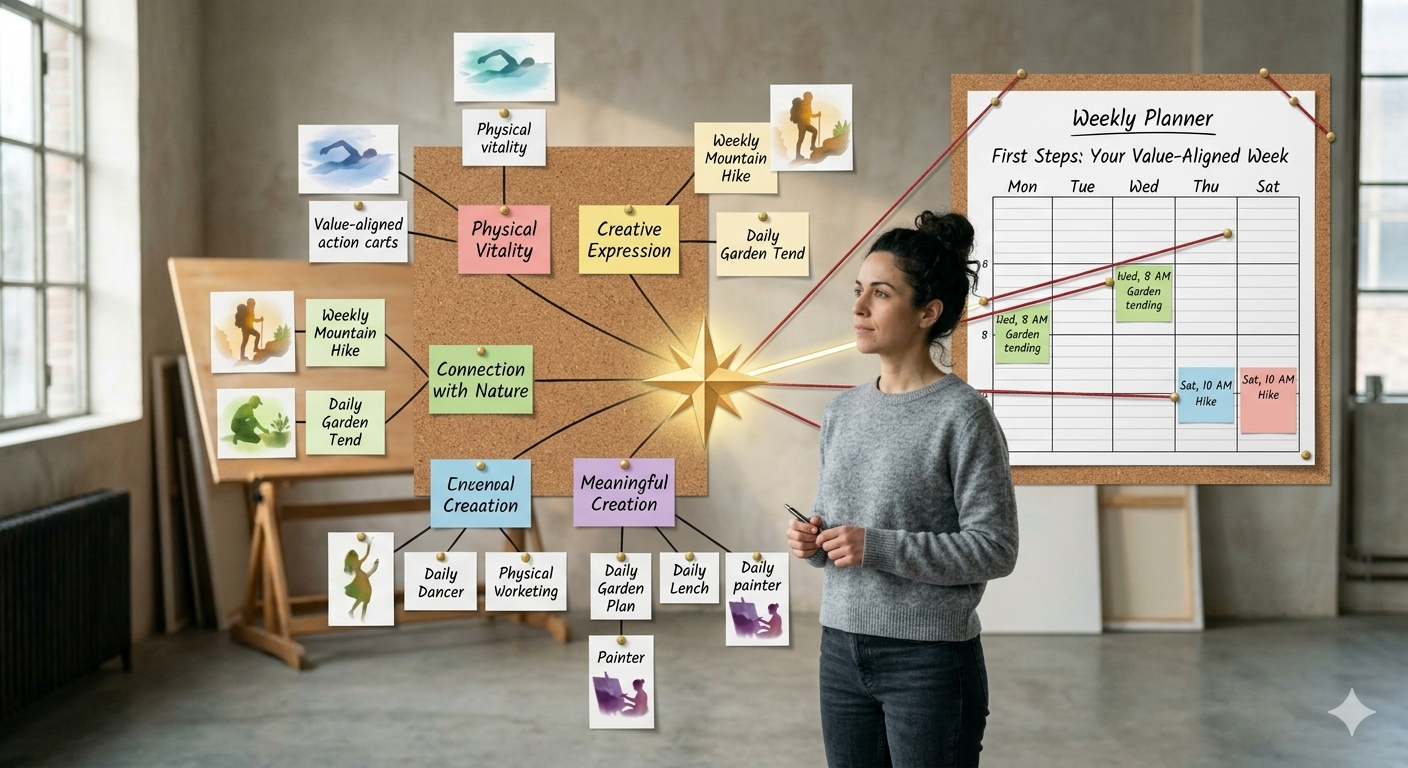
DBT teaches Lisa a powerful skill:
Label the emotion instead of reacting to it
For example:
- “This is sadness”
- “This is loneliness”
When emotions are labeled, the brain activates rational control and reduces amygdala intensity.
Lisa Day 37–39: Emotional Waves (But Controlled)
Lisa still experiences emotional triggers:
- Songs
- Memories
- Places
But her response is different now.
Before:
- Impulsive texting
- Emotional reactions
- Checking behavior
Now:
- Observation
- Pause
- Awareness
Brain Shift Explanation
During this stage:
- Amygdala response weakens
- Prefrontal cortex dominates
- Dopamine dependency decreases
This indicates emotional addiction is breaking.
Lisa Day 40–42: CBT Rewiring Phase
Lisa begins actively challenging her thoughts.
Old Thought:
“I need him to feel okay”
CBT Reframe:
“This is attachment, not need”
CBT Process (Scientific Method)
- Identify the thought
- Check evidence
- Create alternative thought
- Practice repetition
Repetition leads to neural rewiring
Lisa Day 43–45: Identity Reconstruction
This is the peak transformation phase.
Lisa now consciously asks:
“Who do I want to become?”
NLP Perspective: Identity Programming
According to NLP:
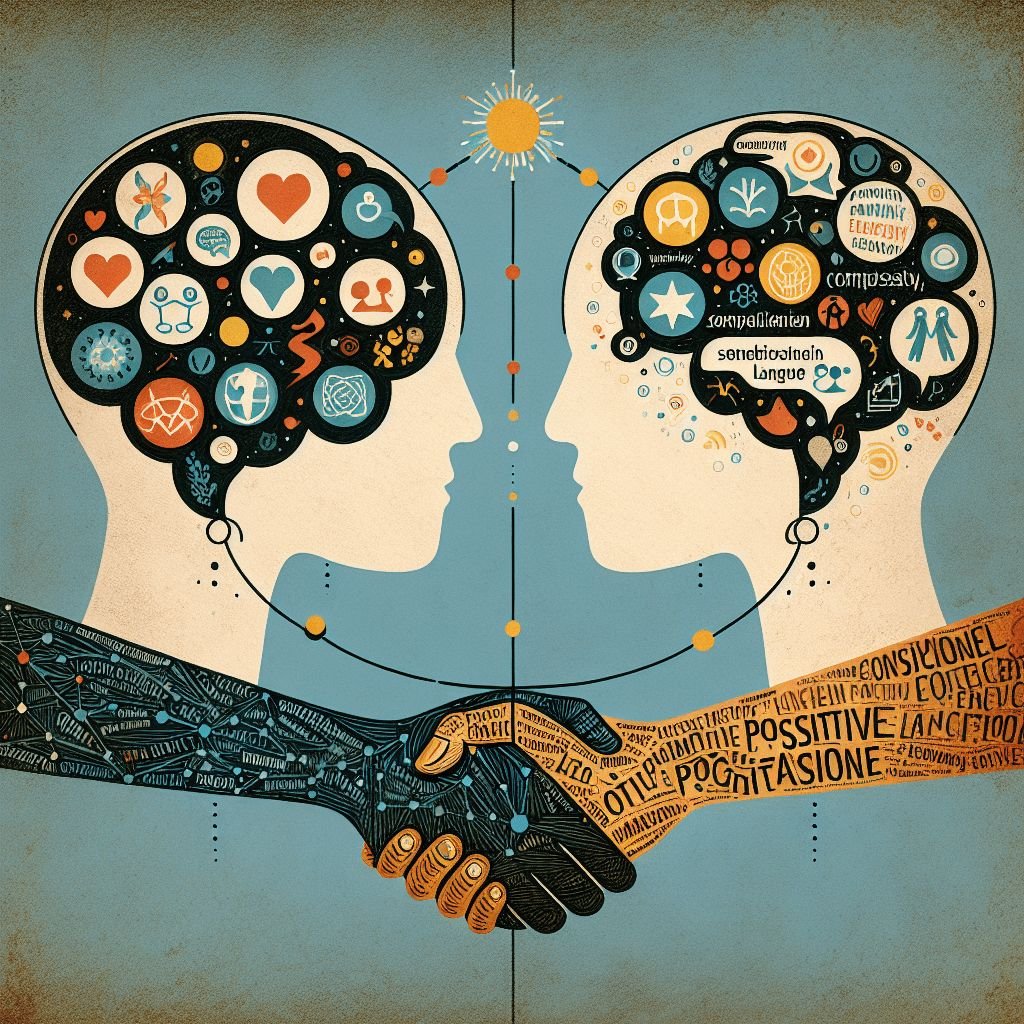
- Language shapes identity
- Repetition shapes beliefs
- Beliefs shape behavior
Lisa starts saying:
- “I am strong”
- “I am independent”
Daily Healing System (Scientific Routine)
| Time | Brain Activity |
| Morning | Prefrontal activation (affirmations) |
| Afternoon | Cognitive focus (work tasks) |
| Evening | Emotional regulation (reflection walk) |
| Night | Memory processing (journaling) |
Common Mistakes in This Phase
- Emotional relapse (contacting the past person)
- Overthinking loops
- Identity confusion panic
- Overconfidence (“I am fully healed”)
Signs of Real Brain Healing
- Amygdala becomes calmer
- Emotional triggers weaken
- Decisions become logical
- Self-awareness increases
External Learning Links
- CBT research: https://www.apa.org
- Brain plasticity: https://www.ncbi.nlm.nih.gov
- Emotional regulation: https://www.nimh.nih.gov
- Mental health education: https://www.health.harvard.edu
FAQs
1. Is the Rebuild Phase scientifically proven?
Yes. CBT and DBT are evidence-based therapies widely used in clinical psychology.
2. What role does the amygdala play?
It controls emotional reactions like fear, attachment, and emotional triggers.
3. Can thoughts really change the brain?
Yes. Repeated thoughts strengthen neural pathways through neuroplasticity.
4. How long does emotional healing take?
It varies from person to person, depending on consistency and awareness.
5. Is NLP scientifically proven?
NLP is partially based on behavioral psychology, but CBT and DBT have stronger clinical evidence.
Final Thought
Lisa’s Rebuild Phase Day 31–45 is not just emotional recovery.
It is brain rewiring + identity reconstruction
And neuroscience clearly confirms:
“When you change your thoughts, you physically change your brain.
Introduction to Therapeutic Techniques
Cognitive Behavioral Therapy (CBT), Dialectical Behavior Therapy (DBT), and Neuro-Linguistic Programming (NLP) are popular approaches in mental health treatment. Each method provides unique perspectives and techniques aimed at facilitating personal growth and emotional well-being. However, it is essential to acknowledge that these therapies come with limitations and should not be perceived as universally applicable solutions.
The Role of Professional Guidance
While many individuals can benefit from the insights offered by CBT, DBT, and NLP, it is crucial to seek professional guidance when addressing mental health concerns. For those still feeling stuck or overwhelmed, consulting a licensed therapist can be the most prudent first step. Therapists can accurately assess your situation and provide tailored strategies that are effective and safe, ensuring that you receive proper care.
Disclaimer on the Use of Helora CBT
Helora CBT offers valuable resources and information regarding cognitive behavioral techniques. However, it is essential to emphasize that this information is not a substitute for clinical advice. Without a thorough examination of your specific circumstances, utilizing resources from Helora CBT should be approached with caution. Always prioritize professional consultations for accurate diagnoses and personalized treatment plans.