


When Emotional Pain Becomes Invisible
There comes a point in emotional suffering where people stop asking for help.
Thank you for reading this post; don't forget to subscribe!
Not because they are healed.
But because they become tired of explaining what hurts.
That was Lisa.Lisa Rebuild Her Life After Emotional Burnout
At thirty-one, Lisa Martins looked successful from the outside. She worked remotely for a tech company, posted aesthetic coffee photos on social media, and replied “I’m fine” with practiced perfection.

But internally, her nervous system was collapsing.
She barely slept.
She constantly checked her phone.
She overanalyzed every message.
She feared abandonment in every relationship.
And worst of all, she no longer recognized herself.
The breakup that shattered her emotionally was only the trigger. Lisa Rebuild Her Life After Emotional Burnout .The deeper wound had existed for years — emotional neglect, anxious attachment, people-pleasing, and the exhausting need to feel chosen.

Lisa did not need another motivational quote.
She needed healing.
Real healing.
That healing began when she discovered CBT and later integrated AI-assisted emotional support tools into her recovery journey.
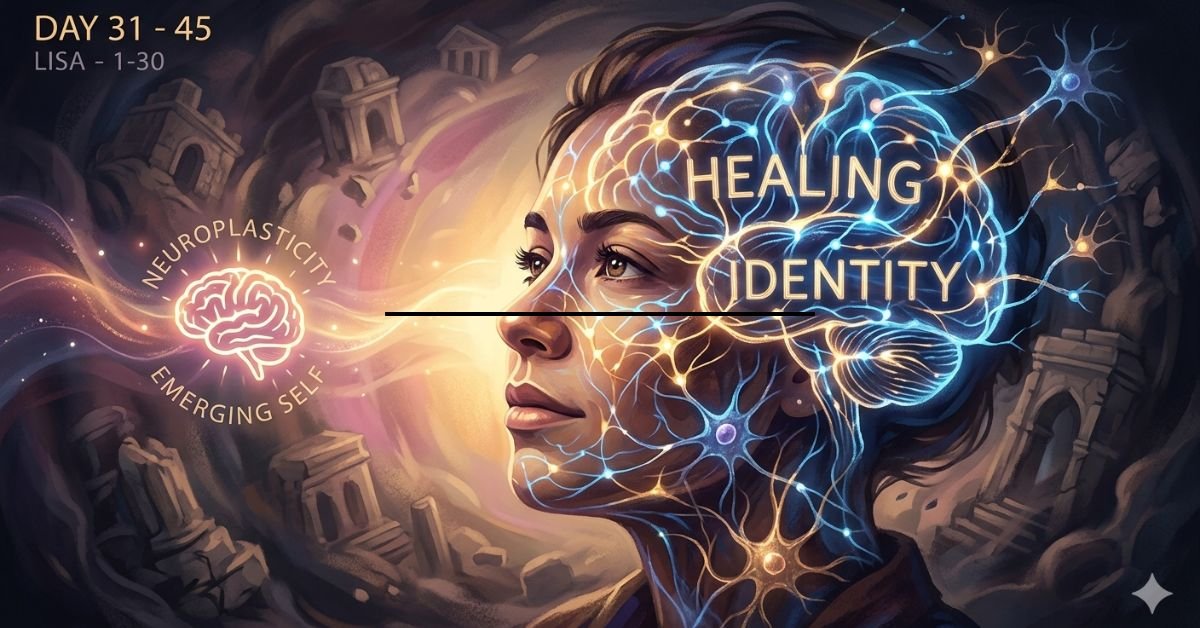
This is not just a story about heartbreak.
It is a story about rebuilding identity.
It is a story about emotional healing.
And perhaps, parts of Lisa’s journey may feel familiar to your own.
What Is CBT and Why Is It So Powerful?
Understanding CBT in Simple Human Language
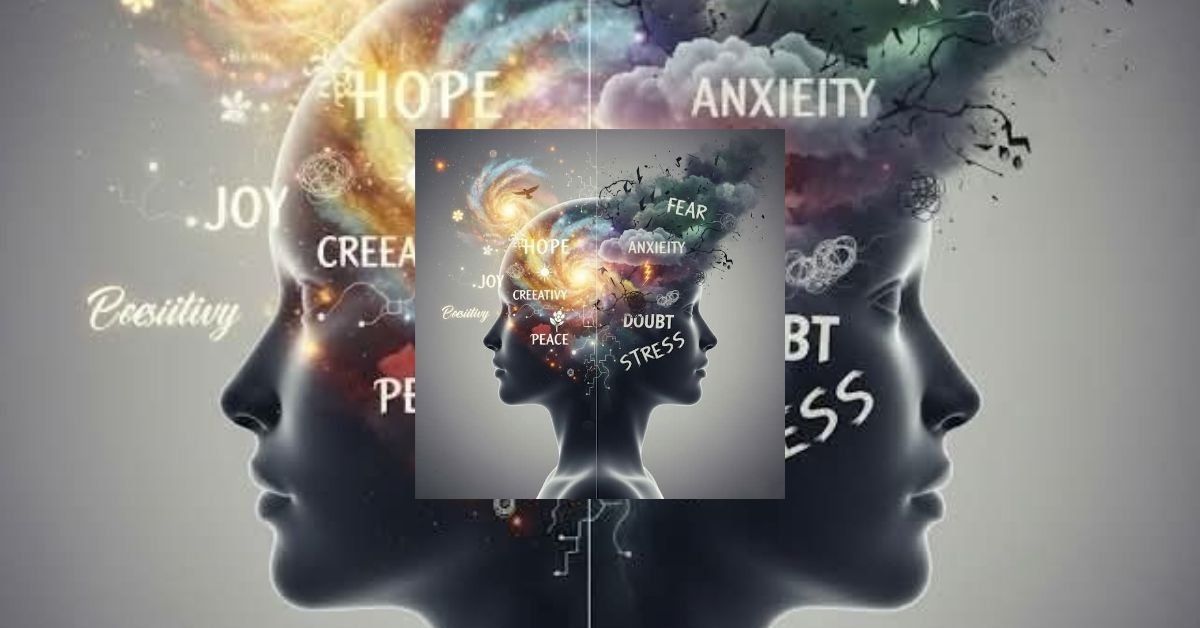
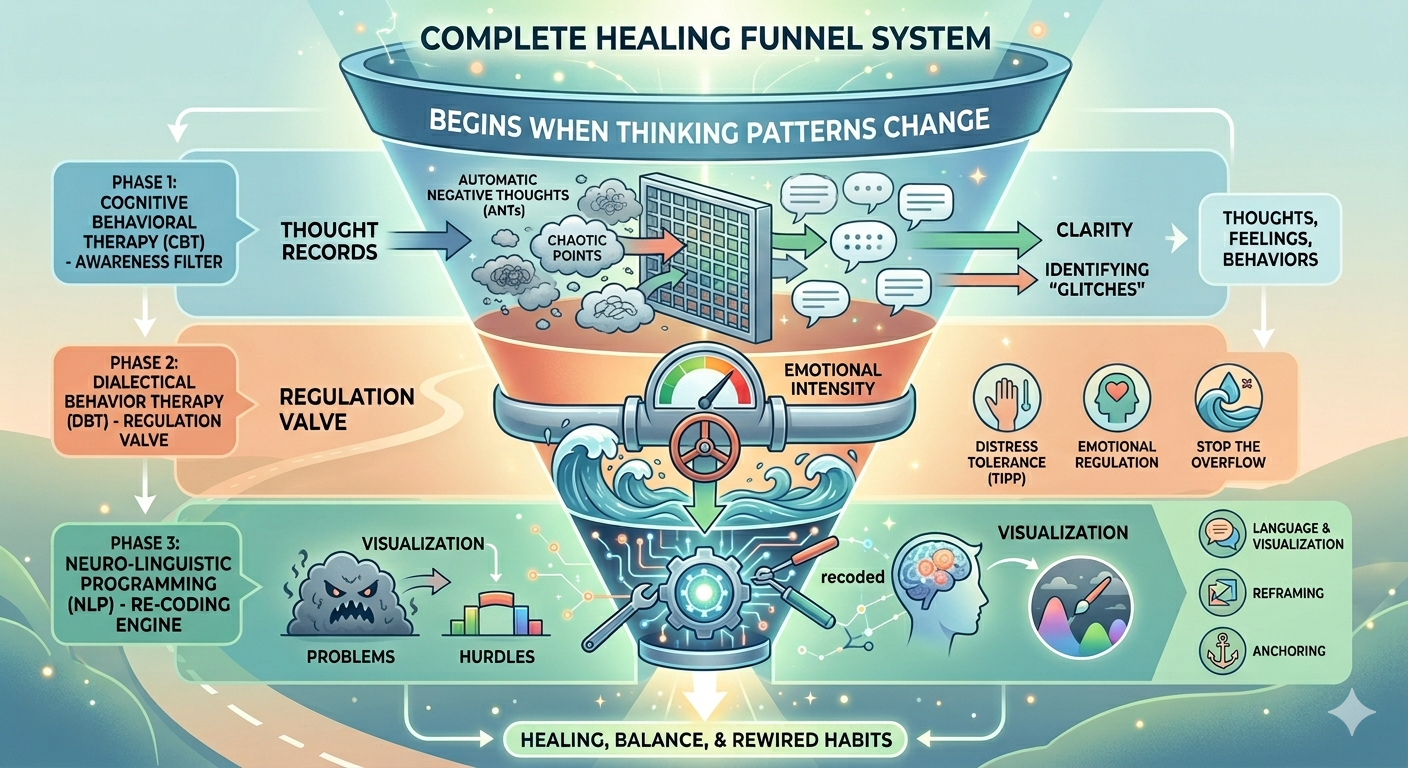
CBT (Cognitive Behavioral Therapy) is one of the most effective psychological approaches for managing anxiety, trauma responses, depression, emotional triggers, and negative thinking patterns.
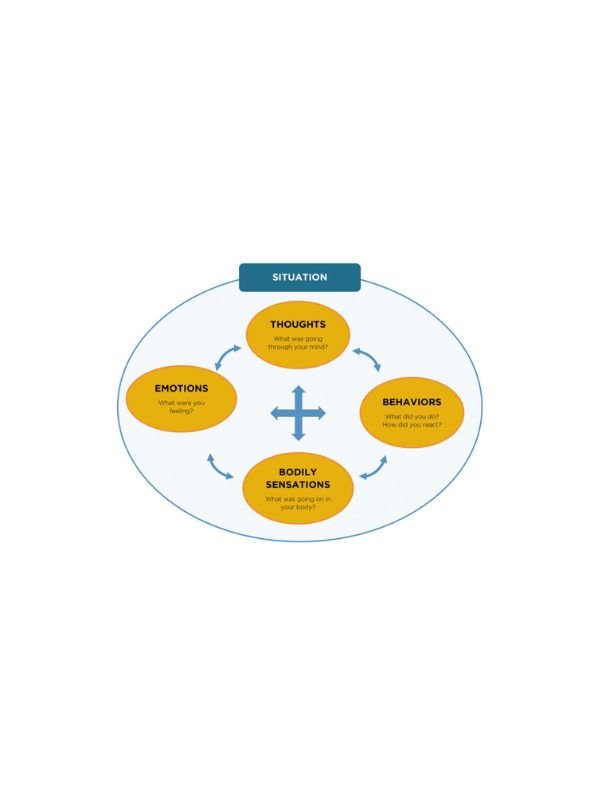
Instead of focusing only on the past, CBT helps people understand:
- How thoughts affect emotions
- How emotions influence behavior
- How unhealthy patterns can be replaced with healthier ones
For Lisa, this was revolutionary.
Because for the first time in her life, she realized:
“My thoughts are not always facts.”
That single realization changed everything.
Before CBT, Lisa believed:
- “If someone pulls away, I must not be enough.”
- “If I am rejected, I have no value.”
- “If someone ignores me, I am being abandoned.”
CBT taught her how automatic negative thoughts quietly controlled her nervous system.
More importantly, it taught her that healing was not about pretending to be positive.
Healing was about learning to challenge distorted thinking patterns with compassion and evidence.
The Real Internet Story That Inspired Lisa’s Healing Journey
Lisa’s fictional story was inspired by thousands of real stories shared online by women experiencing emotional burnout, anxious attachment, and digital obsession after painful relationships.
Across mental wellness forums, therapy communities, Reddit discussions, and emotional healing platforms, one pattern appears repeatedly:
People are emotionally exhausted.
Many struggle with:
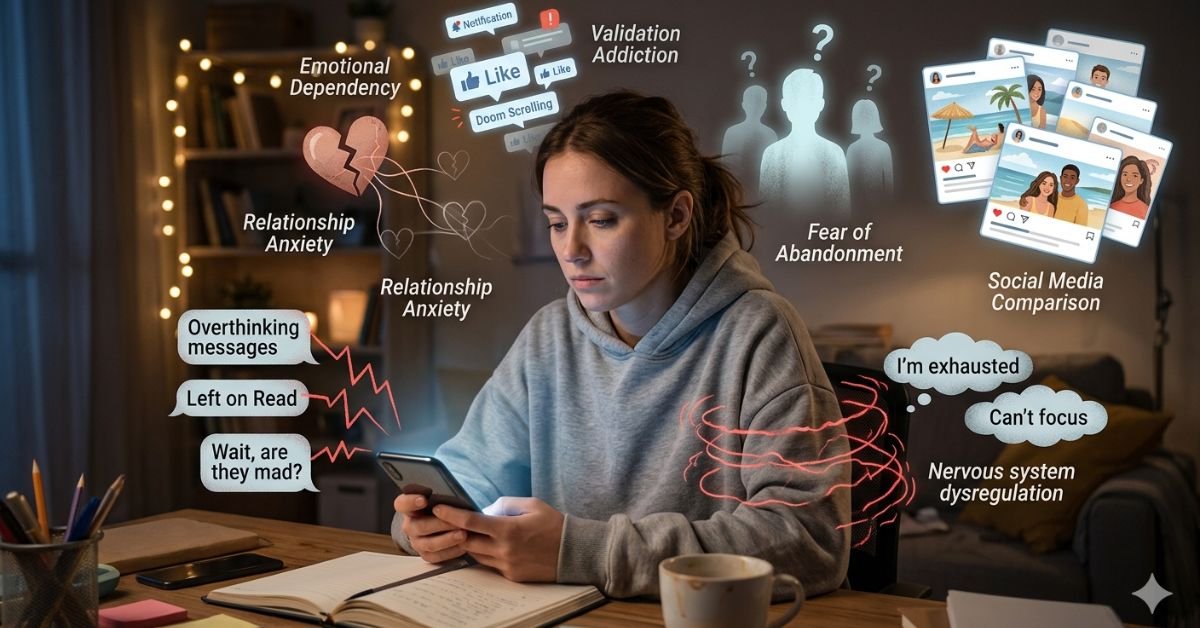
- Doom scrolling
- Relationship anxiety
- Emotional dependency
- Validation addiction
- Fear of abandonment
- Overthinking messages
- Social media comparison
- Nervous system dysregulation
One woman described checking her ex-partner’s online activity more than fifty times a day.
Another explained how silence from someone she loved physically made her chest hurt.
Another shared that she felt addicted to emotional inconsistency.
These stories are everywhere.
Modern emotional pain is deeply connected to digital behavior.
And this is exactly why AI-powered emotional support tools and CBT-based healing systems are becoming increasingly important.
Lisa’s Emotional Collapse
When the Nervous System Can No Longer Cope
Lisa’s emotional breakdown did not happen dramatically.
It happened slowly.
Quietly.
She stopped enjoying mornings.
She stopped answering friends.
She stopped listening to music.
Even simple things became emotionally exhausting.
At night, she replayed conversations repeatedly.
She imagined worst-case scenarios constantly.
One unread message could ruin her entire day.
Her body lived in survival mode.
And like many emotionally overwhelmed people, she confused emotional chaos with love.
She believed intense anxiety meant deep connection.
But therapy later helped her understand something painful:
She was not experiencing love.
She was experiencing emotional insecurity.
The First Step Toward Emotional Healing
Why Self-Awareness Changes Everything

Lisa’s recovery started with a simple journaling exercise from a CBT workbook.
The exercise asked her to write:
Situation
“My partner did not reply for six hours.”
Automatic Thought
“He is losing interest.”
Emotion
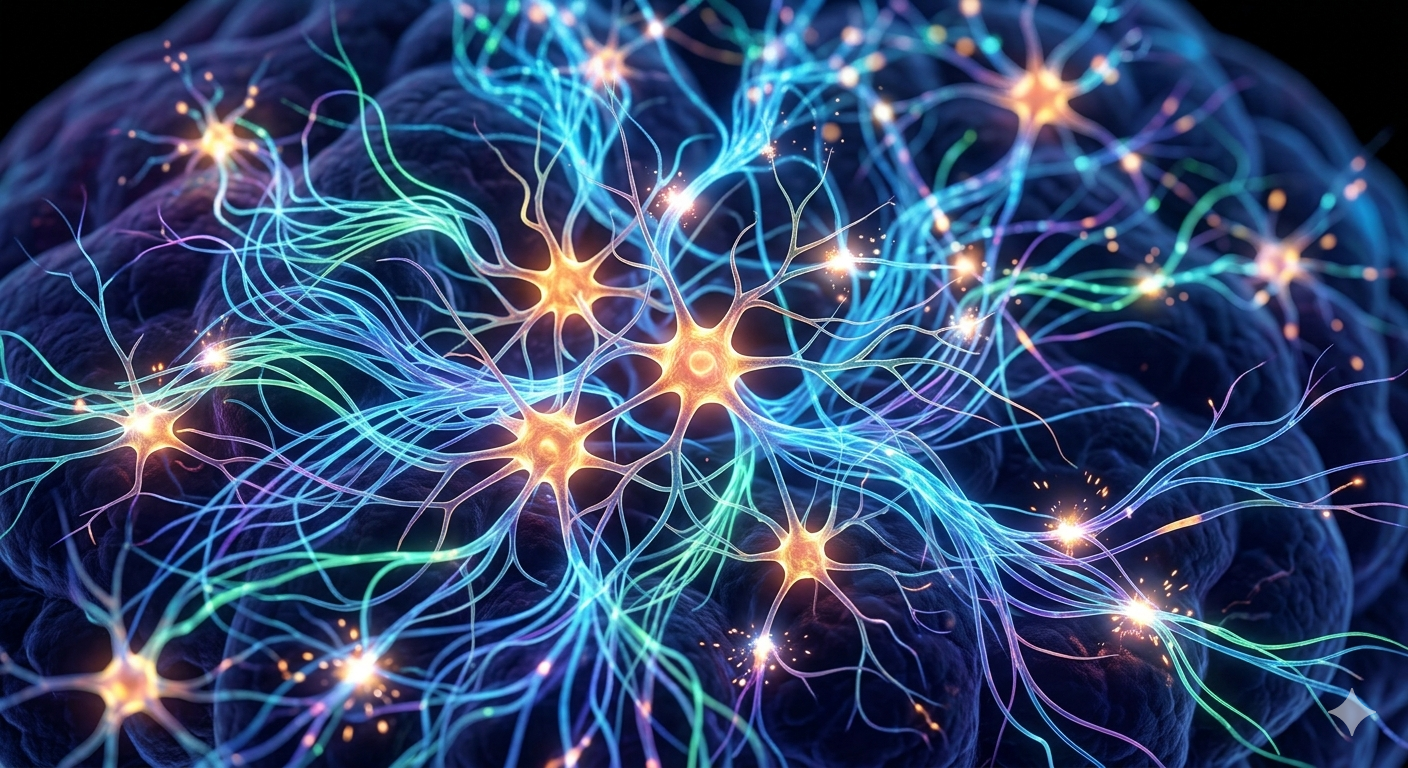
Fear, panic, sadness.
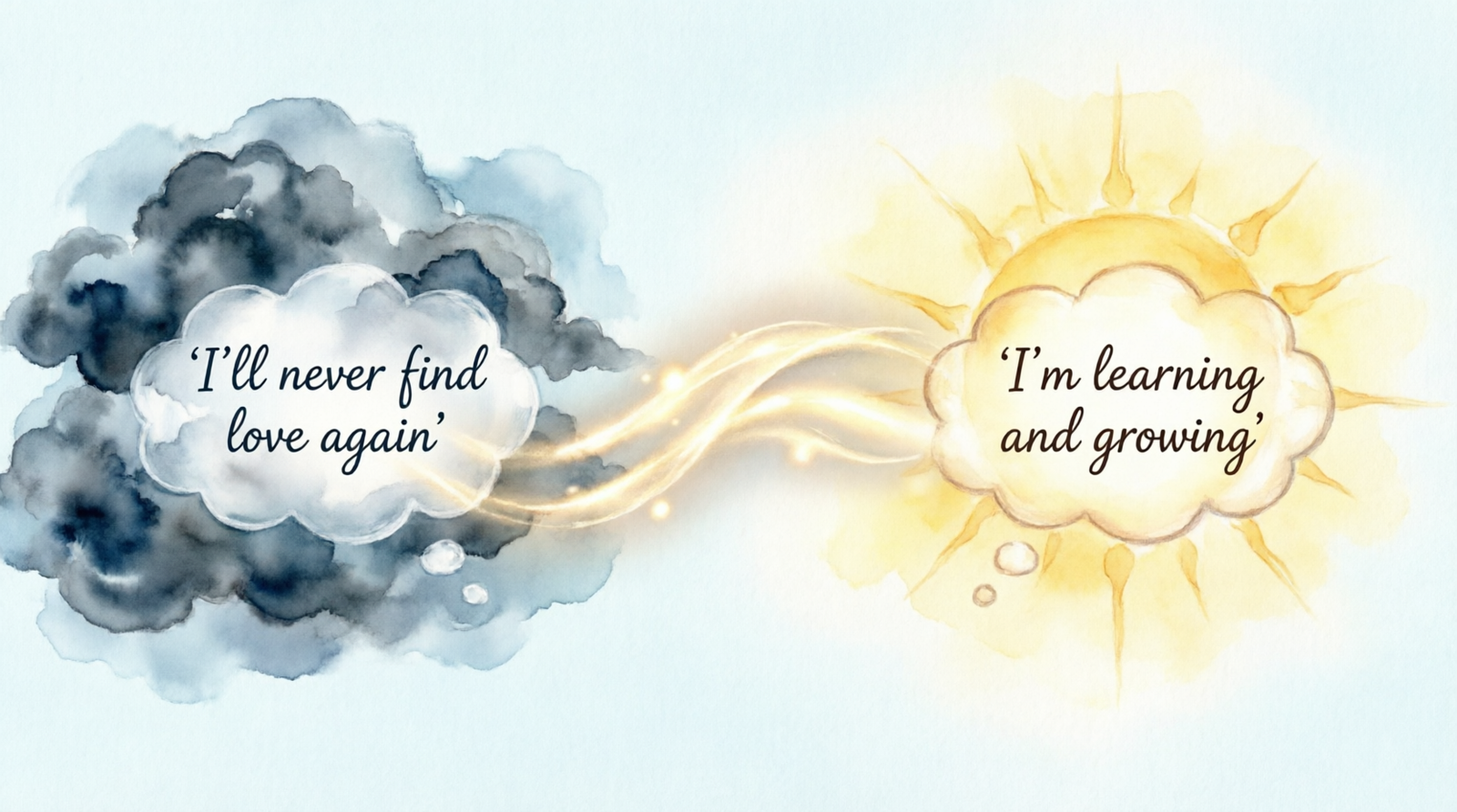
Alternative Thought
“People can be busy. Silence does not always mean rejection.”
At first, it felt fake.
But over time, Lisa noticed something important.
Her emotional reactions became less extreme.
Her nervous system slowly started feeling safer.
CBT did not erase pain overnight.
But it gave her tools.
And tools create stability.
How AI Therapy Entered Lisa’s Healing Journey
The Rise of Digital Emotional Support

Traditional therapy remains incredibly valuable.
But many people today struggle with:
- High therapy costs
- Long waiting lists
- Limited access to mental health professionals
- Fear of judgment
- Emotional isolation at night
This is where AI-assisted healing platforms began helping Lisa.
She started using guided emotional wellness tools inspired by CBT principles.
These tools encouraged:
- Daily emotional reflection
- Mood tracking
- Behavioral awareness
- Thought reframing
- Breathwork reminders
- Healing affirmations
- Nervous system regulation exercises
The AI was not replacing human therapists.
Instead, it acted like a supportive emotional companion between difficult moments.
For someone who constantly felt alone, that mattered deeply.
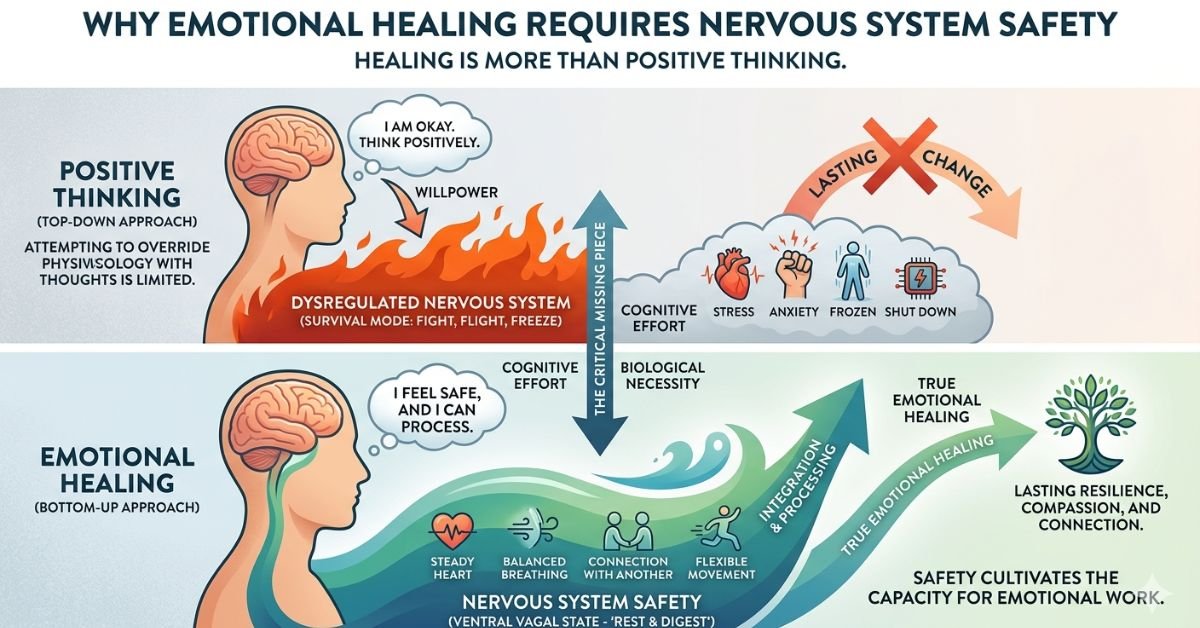
One of the biggest misconceptions about emotional healing is the idea that people should simply “think positive.”
One of the biggest misconceptions about emotional healing is the idea that people should simply “think positive.”
But trauma and anxiety are not only mental.
They are physical.
Lisa’s body had become addicted to hypervigilance.
Her nervous system constantly scanned for rejection.
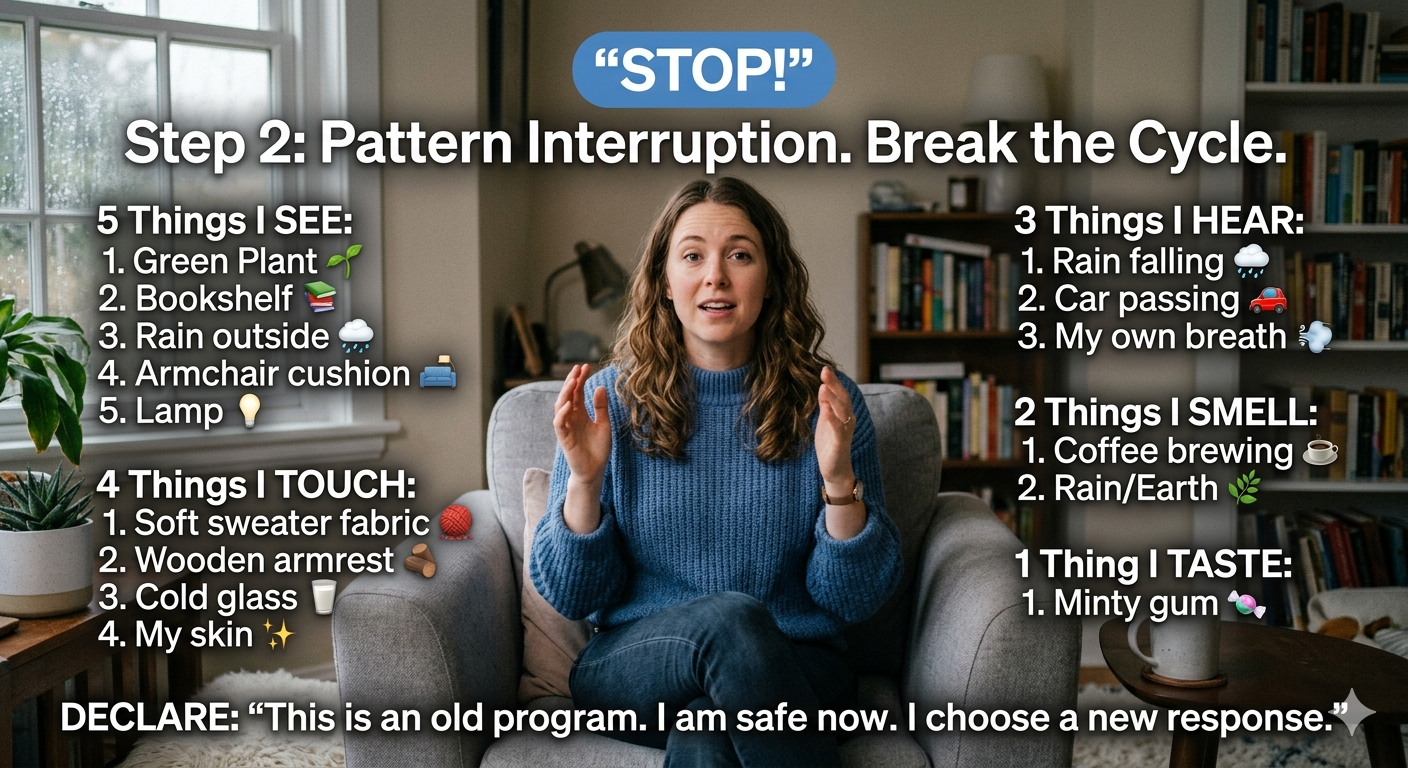
This is why healing practices like these became essential:
- Deep breathing exercises
- Grounding techniques
- Sleep regulation
- Reduced social media exposure
- Walking without a phone
- Mindfulness therapy
- Cognitive reframing
- Digital detox routines
Over time, Lisa realized something life-changing:
Peace felt unfamiliar because chaos had felt normal for years.
The Connection Between CBT and Emotional Healing
Rewiring Emotional Patterns
CBT works because it helps people identify recurring emotional loops.
For Lisa, these loops included:
- Catastrophic thinking
- Emotional dependency
- Self-blame
- Fear-based attachment
- Overanalyzing silence
- Negative self-talk
Each time she challenged one distorted thought, she weakened an old emotional pathway.
This process is often called cognitive restructuring.
And although it sounds clinical, it is deeply human.
Because emotional healing is really about learning how to feel safe inside your own mind again.
Lisa’s 90-Day Digital Healing Transformation
What Changed After Three Months?
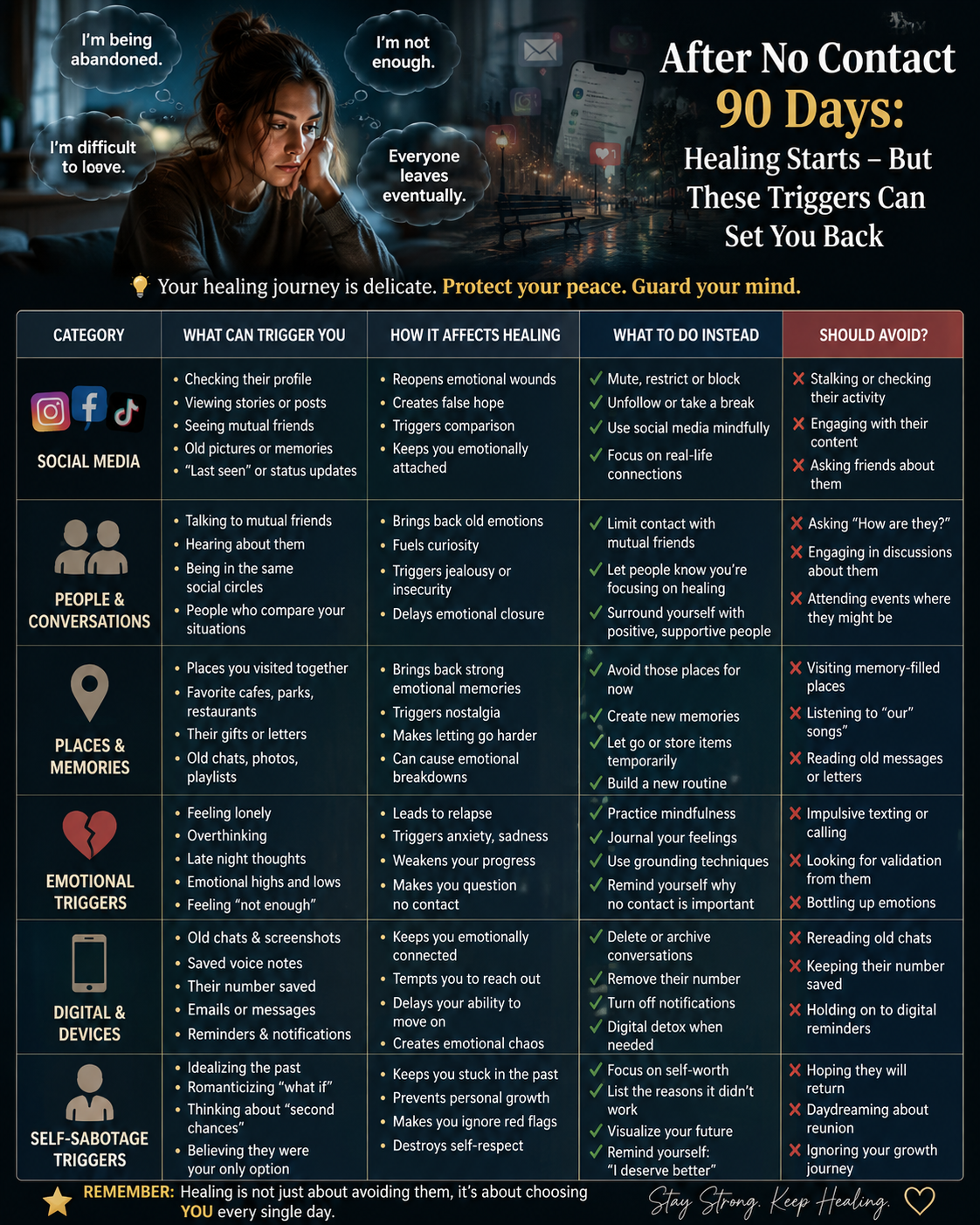
Ninety days after beginning CBT-based healing practices, Lisa noticed profound changes.
Not perfect changes.
Human changes.
She:
- Slept better
- Stopped obsessively checking notifications
- Felt calmer during silence
- Reconnected with hobbies
- Built healthier boundaries
- Reduced emotional dependence
- Began coding and learning AI tools
- Started writing again

Most importantly, she no longer begged people to choose her.
She finally chose herself.
That is what emotional healing often looks like.
Not becoming someone new.
But returning to the version of yourself that pain disconnected you from.
The Science Behind Emotional Recovery
Why the Brain Can Heal
Neuroscience shows that the brain can form new neural pathways.
This concept is called neuroplasticity.
When people repeatedly practice healthier thinking patterns, emotional regulation techniques, and behavioral changes, the brain gradually adapts.
This is why CBT can be so effective.
The brain learns through repetition.
Lisa’s daily healing practices slowly trained her nervous system to stop expecting abandonment everywhere.
This did not happen overnight.
But healing rarely does.
Emotional Healing in the Digital Age
Why Modern Anxiety Feels Different
Today’s emotional struggles are amplified by technology.
People compare their lives constantly.
They monitor relationship status updates.
They attach emotional meaning to delayed replies.
They seek validation through notifications.
This creates emotional overstimulation.
Lisa realized that social media was quietly worsening her anxiety.
So she created digital wellness boundaries:
- No phone for one hour after waking
- Limited nighttime scrolling
- Unfollowing emotionally triggering accounts
- Replacing doom scrolling with journaling
- Practicing intentional silence
These small changes dramatically improved her mental clarity.
How Healing Changed Lisa’s Relationships
Secure Love Feels Different
- How CBT and AI Therapy Helped Lisa Rebuild Her Life After Emotional Burnout
- AI Healing Journey Part 2: Advanced Strategies for Digital Wellness
- AI Healing Journey part3 Reclaiming Your Digital Balance from Nomophobia
- AI healing Journey part 1′ How Healora CBT Helped Lisa Rebuild Her Life
- From Heartbreak to High-Tech: Lisa’s 90-Day Transformation Through AI Healing and Digital Empowerment
- How CBT and AI Therapy Helped Lisa Rebuild Her Life After Emotional Burnout
- AI Healing Journey Part 2: Advanced Strategies for Digital Wellness
- AI Healing Journey part3 Reclaiming Your Digital Balance from Nomophobia
- AI healing Journey part 1′ How Healora CBT Helped Lisa Rebuild Her Life
- From Heartbreak to High-Tech: Lisa’s 90-Day Transformation Through AI Healing and Digital Empowerment
- How CBT and AI Therapy Helped Lisa Rebuild Her Life After Emotional Burnout
- AI Healing Journey Part 2: Advanced Strategies for Digital Wellness
- AI Healing Journey part3 Reclaiming Your Digital Balance from Nomophobia
- AI healing Journey part 1′ How Healora CBT Helped Lisa Rebuild Her Life
- From Heartbreak to High-Tech: Lisa’s 90-Day Transformation Through AI Healing and Digital Empowerment
Before healing, Lisa believed love meant emotional intensity.
After healing, she realized healthy love feels calm.
Secure relationships do not constantly activate fear.
They create emotional safety.
CBT helped Lisa identify unhealthy relationship patterns:

- Overexplaining herself
- Seeking reassurance constantly
- Ignoring red flags
- Accepting emotional inconsistency
- Feeling responsible for others’ emotions
As her self-worth improved, her relationship standards improved too.
This is one of the most beautiful effects of emotional healing.
When you stop abandoning yourself, you stop tolerating people who abandon you emotionally.
Here are the frequently asked questions with short, one-line answers:
What is emotional burnout and how does it differ from just being tired? Burnout is chronic, pervasive exhaustion and detachment that does not improve with rest.
How does Cognitive Behavioral Therapy (CBT) specifically help with burnout? CBT helps identify and change the negative thought patterns and behaviors fueling exhaustion.
How does AI therapy fit into this picture? Is it a replacement? It is a supplemental tool for on-demand practice and support, not a replacement for a human therapist.
Can an AI truly understand emotions or provide genuine empathy? No, AI simulates empathetic responses based on programming, but lacks true understanding.
What are the main benefits and drawbacks of using both human and AI therapy together? It offers 24/7 reinforcement, but lacks deep clinical judgment and genuine human connection.
Is this blended approach suitable for everyone experiencing burnout? No, it depends on individual needs, comfort with technology, and the severity of the condition.
Lisa’s recovery highlights the power of blending human CBT with AI therapy. By combining deep professional guidance with 24/7 technological support, she found a robust and accessible path to overcoming burnout and rebuilding a sustainable life.
- How CBT and AI Therapy Helped Lisa Rebuild Her Life After Emotional Burnout
- AI Healing Journey Part 2: Advanced Strategies for Digital Wellness
- AI Healing Journey part3 Reclaiming Your Digital Balance from Nomophobia
- AI healing Journey part 1′ How Healora CBT Helped Lisa Rebuild Her Life
- From Heartbreak to High-Tech: Lisa’s 90-Day Transformation Through AI Healing and Digital Empowerment