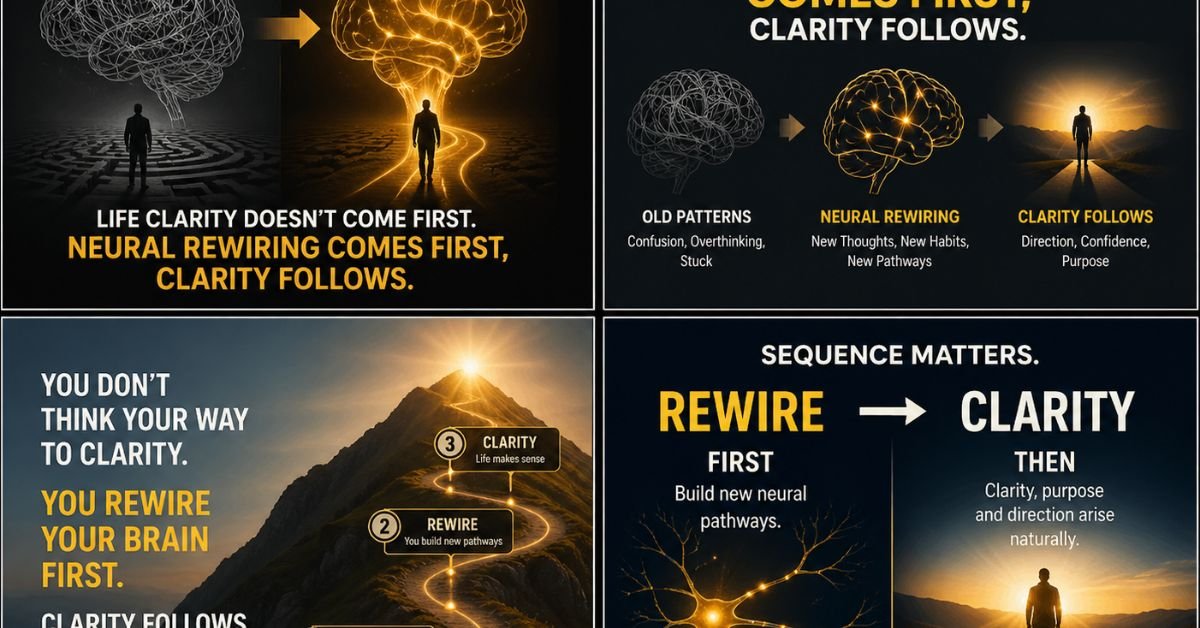

(From Pain to Precision: How Lisa Learns to Train Her Brain Instead of Being Controlled by It)

- This Is Not Healing . This Is Architecture
- After Therapy: When Understanding Meets Reality
- The First Activation: Old Loop Comes Back
- The Turning Point: Awareness Interrupts the Loop
- Understanding Neural Pathways (Simple but Powerful)
- Step 1: Awareness (The Master Switch)
- Step 2: Breath Control (Biological Reset)
- Step 3: Entering Alpha State (Calm Control Mode)
- Step 4: Pattern Interrupt
- Step 5: Anchoring (NLP Technique)
- Step 6: Replacement Behavior
- Step 7: Theta State (Deep Reprogramming Layer)
- Manifestation (Grounded Explanation)
- The Slip (Real Healing Moment)
- Repetition: The Real Transformation
- Identity Shift: The Final Layer
- The Bigger Truth: It Was Never Just About Him
- Final Scene: The New Response
- Conclusion: This Is Mental Architecture
- Frequently Asked Questions
- Short Disclaimer
This Is Not Healing . This Is Architecture
By Day 13, something changes.Creating Lasting Change
Not outside.
Inside.our brain builds pathways based on repetition:
- Think Check Relief
- Think Check Relief
Repeat it enough…
and it becomes automatic.
Lisa is no longer just feeling pain.
She is beginning to see the system behind the pain.
Until now, everything felt emotional.
But today .Creating Lasting Change .
it starts to feel mechanical.
Patterns.
Loops.
Reactions.
And one question rises:
“If my brain created this pattern Can I redesign it.
After Therapy: When Understanding Meets Reality

Lisa walks out of her therapist’s office.
This time, she doesn’t feel lighter.
She feels aware.
Her therapist didn’t comfort her.
He mapped her.
You are not reacting to him,she said.
“You are reacting to neural pathways.”Creating Lasting Change
At the time, she didn’t fully understand.
But now
standing alone
with her phone in her hand
She feels it.Creating Lasting Change
The First Activation: Old Loop Comes Back
Her screen lights up.
Her heart reacts instantly.
Her fingers move before her mind decides.
This is not a weakness.
This is a pre built neural pathway firing automatically.
And this is where most people lose control.
Because they think:
This is how I feel.
But the truth is:Creating Lasting Change
This is how my brain is wired.Creating Lasting Change
The Turning Point: Awareness Interrupts the Loop
This time…
something interrupts.Creating Lasting Change
A softer, familiar inner voice:
“Stop. This is not love. This is a loop.”
She pauses.
And for the first time .Creating Lasting Change
she doesn’t follow the urge immediately.
This is the beginning of mental architecture.
Understanding Neural Pathways (Simple but Powerful)
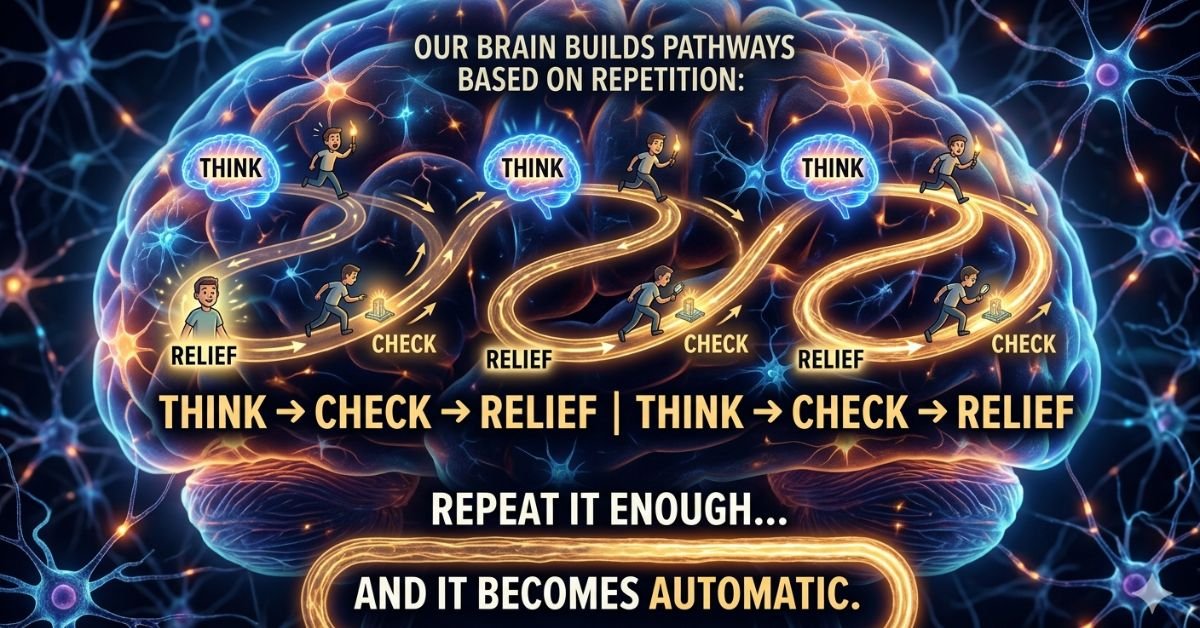
Your brain builds pathways based on repetition:
- Think Check Relief
- Think Check Relief
Repeat it enough…
and it becomes automatic.
This is called neuroplasticity.
The brain strengthens what you repeat
And weakens what you stop using
So healing is not emotional.
It is behavioral repetition over time.
Step 1: Awareness (The Master Switch)
Without awareness, nothing changes.
Lisa learns to say:
- “This is a craving”
- “This is a pattern”
This separates:
- self from loop
Step 2: Breath Control (Biological Reset)
Her therapist had said:
“Control your breath… or your state will control you.”
So she inhales slowly.
Holds.
Exhale longer.
Again.
Something shifts:
- heart slows
- urgency reduces
- clarity increases
Because:
Breath directly regulates the nervous system
Step 3: Entering Alpha State (Calm Control Mode)
Now she is not panicking.
She is present.Creating Lasting Change
This is called Alpha State:
- relaxed
- aware
- not reactive
This is where:
learning + rewiring becomes easier
Step 4: Pattern Interrupt
Instead of checking her phone:
She flips it over.
Stand up.
Moves.
This is not random.
This is a pattern interrupt
If she didn’t change the action:
the old pathway would strengthen again
Step 5: Anchoring (NLP Technique)
Her therapist taught her something unusual:
“Create a physical anchor.”
So Lisa:
- presses her fingers together
- takes a deep breath
- says internally: “I am in control”
She repeats this daily.
Now this anchor becomes:
a shortcut to calm state
Step 6: Replacement Behavior
Old pattern:
Check phone relief
New pattern:
Pause breathe move calm
This is how:
new neural pathways are built
Step 7: Theta State (Deep Reprogramming Layer)
At night…
Lisa lies down.
Half awake. Half asleep.
This is Theta State.
Her mind is open.
Less resistance.
She whispers:
“I am safe without him.
“I don’t need certainty.
This is not fantasy.

This is subconscious conditioning.
Manifestation (Grounded Explanation)
Here’s the truth you want to teach:
Manifestation is not wishing
It is aligning:
- thoughts
- emotions
- behavior
When Lisa:
- stops chasing
- feels stable
- acts differently
Her life begins to reflect that.
Not magically.
But systematically.
The Slip (Real Healing Moment)

Later that day…
She checks again.
Old habits win.
But this time…
No breakdown.
No shame.
Just awareness:
“This was the old pathway.”
And that changes everything.
Because:
Progress faster recovery, not perfection
Repetition: The Real Transformation
Again.
And again.
And again.
- awareness
- breath
- interrupt
- redirect
This is boring.
Slow.
Unseen.
But this is exactly how:
neuroplasticity rewires the brain
Identity Shift: The Final Layer
Lisa writes:
“I am not emotional.
I am training my brain.”
This is everything.
Because identity creates consistency.
The Bigger Truth: It Was Never Just About Him
This wasn’t just about a relationship.
This was about:
- uncertainty
- control
- validation
- fear
And now…
She is learning to live without needing certainty.
Final Scene: The New Response
Her phone lights up again.
The urge comes.
Strong.
Familiar.
But this time…
She doesn’t rush.
She breathes.
Waits.
I feel it passes.
And realizes:
The loop is losing power

Conclusion: This Is Mental Architecture
You are not broken.
You are patterned.
And patterns can be redesigned.
Not overnight.
Not magically.
But deliberately.
You don’t fight your brain.
You train it… until it works for you.
- CBT for emotional healing
- neuroplasticity
- dopamine loop
- NLP techniques
- anchoring method
- alpha theta brain states
- no contact
Frequently Asked Questions
1. Why is no contact emotionally difficult? No contact can feel difficult when you are used to seeking reassurance, checking messages, or hoping for a response. Recognising these emotional patterns can help you make more intentional choices.
2. How can I break emotional loops during no contact? Notice your triggers, identify automatic thoughts, reduce checking behaviours, and practise healthier responses using CBT-informed techniques.
3. Does no contact help with anxious attachment? It may create space to understand attachment patterns and develop boundaries. However, no contact alone does not guarantee healing or resolve anxious attachment.
4. How long does it take to feel better during no contact? There is no fixed timeline. Progress varies depending on your circumstances, emotional needs, support system, and coping strategies.
5. What should I do if I feel tempted to break no contact? Pause before acting, identify what triggered the urge, and ask yourself whether contacting the person supports your well-being and boundaries. If contact is necessary for parenting, safety, or practical matters, use an appropriate communication plan.
6. Can CBT help me create lasting emotional change? CBT can help you recognise unhelpful thoughts and behaviours and practise more balanced responses. Change takes time, and professional support may be helpful if distress persists.
Short Disclaimer
Disclaimer: This article is for educational and self-help purposes only. It does not replace professional mental health advice, diagnosis, or treatment. No contact is not appropriate or necessary in every situation; prioritise safety and seek professional support when needed.